Men’s jeans have the most straightforward-looking labels in clothing: two numbers, waist and length. The catch is that neither number is guaranteed to match a tape measure.
A mens jeans size chart usually starts from the label printed on the back patch or inside tag, such as 32×32 or 34×30. This guide explains what those numbers mean, how to measure yourself and a pair you own, and how to read any brand’s chart without relying on a one-size-fits-all conversion. If you are still choosing between leg shapes, start with our Types of Jeans hub, since cut affects how a size feels as much as the label does.
What 32×32 means: waist and length
Men’s jeans are commonly labelled waist x inseam, in inches. A pair marked 32×32 has a labelled waist of 32 and an inseam of 32; a 34×30 has a labelled waist of 34 and a 30-inch inseam. Some brands write it as W32 L32, which means the same thing.
- Waist (W): the labelled waist size. It is named after inches but is set by each brand.
- Length (L): the inseam, from the crotch seam down the inside leg to the hem.
The length number is the more literal of the two, because inseam is a straight measurement of the garment. The waist number is where brands and real measurements part ways.
Why the label and the tape measure disagree
There is no mandatory US sizing standard for men’s jeans. ASTM International publishes a voluntary one, ASTM D6240, “Standard Tables of Body Measurements for Men Sizes Thirty-Four to Sixty (34 to 60) Regular.” ASTM notes that “although these are body measurements, they can be used in designing apparel for men in this size range when such factors as fabric type, ease of body movement, styling, and fit are taken into account.” In other words, it describes bodies, and each brand decides how much room to add.
Labels can also run generous. CBS News reported on a 2010 Esquire test in which men’s trousers labelled size 36 measured between 39 and 41 inches at the waist. That was one reporter’s sample of trousers in one year, not a current figure for any jeans brand, but it shows why it pays to measure rather than trust the tag.
How to measure for men’s jeans
Levi’s size guide describes body measurements that match the columns on most brand charts. Use a soft tape, such as a Soft Tailor Measuring Tape on Amazon.
Top-selling match on Amazon
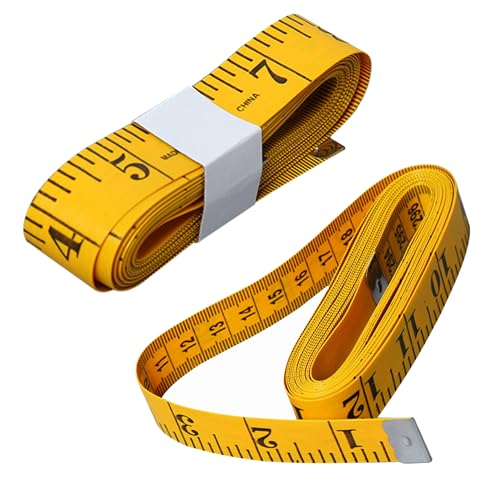
- Measuring Range: 0 to 60 inches and 0 to 150 centimeters. There is a centimeter scale on the back…
- Waist: Levi’s says to “measure around the smallest part of your waist. Not too snug, not too loose.”
- Seat: Levi’s says to “measure around the fullest part of your hips,” keeping the tape level.
- Thigh: Levi’s says to “measure around the fullest part of your thigh.”
- Inseam: Levi’s says to “measure straight down the inside leg from the crotch to the ankle.”
A pair that already fits well gives you garment numbers, which are often more useful. A common method is to button the jeans, lay them flat, measure straight across the waistband and double it, then measure the inseam from the crotch seam to the hem. Our How to Measure Jeans (Waist, Rise, Inseam and Leg Opening) guide covers rise and leg opening too.
How to read a brand’s size chart
This is a reading guide with no brand numbers in it. Fill it in from the chart of the brand you are buying, such as our Levi’s Size Chart for Men guide for Levi’s.
| Measurement | Where to measure | Tip |
|---|---|---|
| Waist | Smallest part of the waist (body) or across the buttoned waistband, doubled (garment) | Check whether the chart gives body or garment figures |
| Seat | Fullest part of the hips | Often decides the size in rigid, non-stretch denim |
| Thigh | Fullest part of the thigh | Changes a lot between slim, straight and relaxed cuts at the same waist |
| Inseam | Crotch to ankle (body) or crotch seam to hem (garment) | Depends on leg style and shoes; hemming fixes it |
| Rise | Crotch seam to top of waistband, front and back | Compare the inch figure on the product page rather than the word “mid” or “high” |
For dress trousers and chinos, which are often sized differently from jeans, see Men’s Pants Size Chart. Women’s sizing follows a separate system, covered in our Women’s Jeans Size Chart guide.
Choosing the length
The right inseam depends on the cut, the rise and the shoes. A slim leg worn with sneakers is usually meant to end near the ankle, while a straight or bootcut leg worn with boots runs longer. Brand charts sometimes pair inseams with heights, but treat those as that brand’s suggestion. If the waist fits and the length does not, hemming is the standard fix. Our guide to How Long Should Men’s Jeans Be? Length Guide by Style covers breaks and cuffs.
Raw, shrink-to-fit and stretch denim
Fabric changes which size you need. Levi’s describes its Shrink-to-Fit 501 as raw denim that is not preshrunk and is designed to shrink and mould with wear. Levi’s recommends sizing up for it, with the amount depending on your size and how you wash it, and says that most of its other jeans are preshrunk and should see little to no shrinkage when cared for as the label says. Our Raw Denim guide explains the difference.
Stretch denim, which blends in elastane, may loosen a little with wear, according to common advice, while rigid 100% cotton denim starts firmer. Both are normal; they simply feel different on the first day.
Thrifting men’s jeans
On the thrift rack, the tag is a hint at best. Jeans may have shrunk in a hot dryer, been hemmed, or come from a time when sizing worked differently. According to Wikipedia, jeans generally shrank after purchase until Levi Strauss introduced pre-shrunk jeans in 1962, so older pairs can follow very different rules.
- Lay the jeans flat and measure the waistband across, then double it.
- Measure the inseam from crotch seam to hem.
- Compare both with the garment numbers from your best-fitting pair.
- Check the fabric tag for stretch content.
For vintage pairs specifically, see Mens Vintage Levi’s. When you know your numbers, browsing by cut, such as Mens Straight Fit Jeans on Amazon or Mens Relaxed Fit Jeans on Amazon, becomes much faster.
Top-selling match on Amazon

- Low Rise: 10.25
- Thigh: 23.5", Knee: 17.5", Leg Opening: 16"
Shop the look on Amazon
Everything you need to build a secondhand-style wardrobe, delivered. We may earn a commission on purchases.
FAQ
What does 32×32 mean on jeans?
A labelled waist size of 32 and an inseam of 32 inches. The inseam is a direct garment measurement; the waist number is the brand’s label size.
Is my jeans waist size the same as my belt size?
Not always. Belt sizing has its own conventions, covered in our Men’s Belt Size Chart guide, so measure rather than assume they match.
Why do my jeans fit differently at two brands in the same size?
Each brand sets its own pattern and how much room sits behind a label. Check each brand’s own chart and the product page for the specific cut.
How do I check jeans size without trying them on?
Measure the flat waist and inseam and compare them with a pair that already fits you well.
Should men size up or down in jeans when between sizes?
When a man falls between two jeans sizes, the fabric usually decides the answer. Rigid 100% cotton denim starts firm and often fits by the seat, so the larger size is the safer pick, while stretch denim may loosen a little with wear, so the smaller size can work. Raw Shrink-to-Fit jeans follow their own size-up advice from the brand. Comparing the flat waist and inseam of a pair that already fits removes most of the guesswork.