A court appearance is a formal setting where first impressions are hard to undo, so the goal is clothing that looks clean, conservative and respectful, and that gets you through security without delay.
If you are wondering what to wear to court, the short version is: dress as you would for a conservative job interview. Courts set their own rules, so there is no single dress code that applies everywhere, and this guide is styling advice, not legal advice. If you have a lawyer, ask them what they want you to wear, because they know the judge and the courthouse. For the building blocks of a court-ready outfit, our Business Casual for Men and Business Casual for Women guides are a good place to start. Below are outfit formulas by role, what security screening involves at two kinds of courthouse, and how to put a respectful outfit together on a budget.
Quick answer: Wear clean, well-fitting, conservative clothing in muted colours: a suit or trousers with a collared shirt for men, and trousers, a knee-length or longer skirt or dress, or a suit for women, with closed shoes. Avoid slogans, revealing cuts, athletic wear and hats. Keep metal and loose items to a minimum for security, and check the court’s own website or ask your attorney about any posted rules.
Is there a court dress code?
There is no universal court dress code. Individual courts post their own expectations, and they differ. As one example, the U.S. District Court for the District of Minnesota tells jurors that “Shorts, hats, halter or tank tops and jeans with tears are not acceptable courtroom attire.” That is one court’s rule for jurors, but it shows the kind of items courts commonly flag.
For defendants and witnesses, no official source sets one standard either. The widely shared advice is conservative, clean, business-style clothing. If you are represented, your attorney’s guidance should come first. If you are not, look up the court’s website, call the clerk’s office if you are unsure, and lean toward the more formal choice.
Our What to Wear to Jury Duty guide covers juror rules in more detail if you have been summoned rather than called as a party or witness.
Court outfit formulas
These are common styling suggestions for courtroom settings, not legal requirements.
| Outfit | Pieces | Shoes | Best for |
|---|---|---|---|
| Dark suit | Navy, charcoal or grey suit, white or light blue shirt, plain tie | Leather oxfords or derbies | Defendants, formal hearings |
| Trousers and blazer | Dress trousers, collared shirt or blouse, blazer | Loafers, flats or low heels | Witnesses, family court, most hearings |
| Conservative dress | Knee-length or midi dress with sleeves or a cardigan | Closed-toe flats or low pumps | Witnesses, supporters in the gallery |
| Skirt suit or pantsuit | Matching jacket with skirt or trousers, plain shell | Low pumps or loafers | Defendants, formal hearings |
| Neat business casual | Chinos, collared shirt or knit, sweater | Clean leather shoes | Visitors, traffic court, filing paperwork |
A plain dark suit is the most versatile single purchase if you have a court date coming up and nothing suitable. Look at Mens Navy Suit Classic Fit on Amazon or Womens Black Pant Suit on Amazon options, and see our What to Wear to an Interview guide, which uses the same conservative approach.
Top-selling match on Amazon

- luvamia womens work clothes have your all-day closet covered, from formal dressing to off-duty…
- The office outfits for women features 2 flap pockets, lapel collar, relaxed fit for a classic…
Top-selling match on Amazon

- Make Your Look Perfect –: A suit is the perfect choice to enhance your appearance. It has a magical ability to…
- How To Choose Size –: Please refer to the LORENZO BRUNO chart in the description carefully. If you are…
- Luxury And Functionality –: LORENZO BRUNO consistently explores the world of formalwear, reimagining it through…
What to wear to court as a defendant
If you are a defendant, your clothing is one of the few things you control about how you present yourself. Common advice:
- Go formal if you can. A suit, or trousers with a collared shirt and a jacket, is the usual recommendation. A tie is a sensible addition for men.
- Choose muted colours. Navy, grey, black, white and soft blue look calm and serious.
- Make sure it fits and is pressed. Wrinkles, stains and loose threads stand out in a quiet room.
- Keep accessories minimal. A watch and simple jewelry are fine. Large or flashy pieces draw attention.
- Ask your attorney. They may have specific advice for your hearing, judge or jurisdiction.
What to wear to court as a witness
Witnesses benefit from the same conservative approach. Business casual is often enough, though a jacket adds polish if you will be on the stand. Avoid clothing with words, logos or images, since anything that could be read as a message can be distracting. If the party calling you as a witness gives you guidance, follow it.
What to wear to court as a visitor or supporter
If you are attending to support a family member or friend, or to watch proceedings, neat business casual is the common advice. Think of what you would wear to a conservative office: trousers or a modest skirt, a collared shirt, blouse or sweater, and closed shoes. Your appearance can still reflect on the person you are there for.
What to wear to court: women
Options that work in most courtrooms include a trouser suit, a skirt suit, tailored trousers with a blouse and cardigan, or a knee-length or longer dress with sleeves or a layer. Closed-toe flats, loafers or low pumps are practical for corridors and security lines. Common advice is to keep necklines and hemlines conservative and to bring a cardigan, since courtrooms can be cool; Minnesota’s federal court notes that “The courtrooms can be quite cool, so dress accordingly.” Our Business Professional Attire for Women guide covers suiting in more depth.
What to wear to court: men
A dark suit with a light shirt and plain tie is the most formal option. If you do not own a suit, dress trousers or chinos with a collared button-down, a belt and leather shoes is a solid fallback, with a sweater or blazer on top. Tuck your shirt in and wear socks that match your trousers. See our Men’s Dress Shoes guide for shoes that look right with a suit.
What not to wear to court
These are common pieces of advice; your court’s own rules take priority.
- Shorts, tank tops and hats, which Minnesota’s federal court lists as unacceptable for jurors, and which many people avoid in any courtroom.
- Ripped, faded or distressed denim.
- Clothing with slogans, brand logos, or images related to alcohol, drugs, violence or politics.
- Athletic wear, flip-flops and beachwear.
- Sunglasses worn indoors, and heavy fragrance.
- Very tight, sheer or revealing pieces.
Security screening: what to expect
Almost every courthouse screens visitors, and your outfit can make that faster or slower.
At federal courthouses, the U.S. Marshals Service says Court Security Officers staff a screening station. Purses and briefcases go through an X-ray machine, and visitors walk through metal detection equipment. USMS says weapons are prohibited in any federal court facility, including firearms of any type and knives.
Local courts set their own procedures. At DC Courts, visitors empty their pockets into a tray, take off their coat and put it on the X-ray belt along with any bags, and walk through a metal detector. A handheld wand may follow if something alerts. DC Courts bans weapons, pocketknives such as Swiss Army knives, scissors, silverware, lighters and anything that could hurt someone, and says these items are taken away and not returned. That list is specific to DC Courts, so check your own court’s website before you go.
Common advice for a smoother screening:
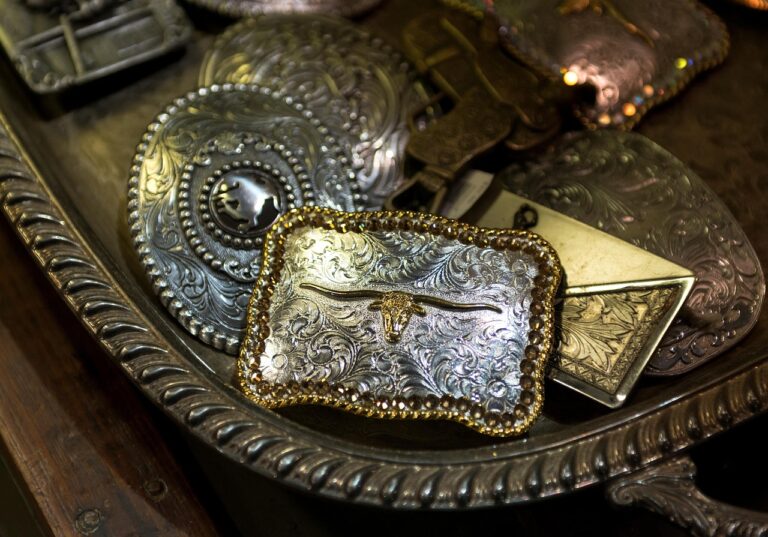
- Wear a belt with a plain buckle, or one that is easy to remove. A simple Mens Leather Dress Belt on Amazon works with suits and chinos.
- Skip heavily studded or hardware-covered clothing and shoes.
- Keep jewelry minimal and pockets nearly empty.
- Carry a small bag with only what you need, and leave anything sharp at home.
- Choose a coat that is easy to take off and put back on.
Weather and comfort
Court days can involve waiting in hallways and long sessions in a chair. Breathable layers help in summer, and a coat you can carry works in winter. If you are commuting on a cold morning, our What to Wear in 40 Degree Weather guide covers smart layering under an overcoat.
How to thrift a court outfit
Suits and blazers are often plentiful and inexpensive at thrift stores, which is helpful if you need something quickly.
- Check shoulder fit first. It is the hardest thing to alter. A tailor can shorten sleeves and hem trousers quickly.
- Look for matching suit pieces. Check that the jacket and trousers share the same fabric and colour under good light.
- Inspect for wear. Look at the seat, knees, cuffs and lining for shine, thinning or tears.
- Press before the day. A steam or press makes a second-hand suit look new.
Our Men’s Thrift Store Shopping guide and Thrifted Outfits have more tips on finding quality pieces second-hand.
Court dress code FAQ
What is the dress code for court?
There is no universal one. Each court sets its own expectations, so check the court’s website or ask your attorney. Conservative business clothing is the common default.
Can you wear jeans to court?
Some courts allow clean jeans in some settings, and Minnesota’s federal court flags jeans with tears for jurors. As a defendant or witness, common advice is to choose trousers instead.
What should a woman wear to court?
A trouser or skirt suit, tailored trousers with a blouse and cardigan, or a modest dress with sleeves, with closed shoes and minimal jewelry.
What should a man wear to court?
A dark suit with a light shirt and tie, or dress trousers with a collared shirt, belt and leather shoes if you do not own a suit.
Can I wear a hat in court?
Many courts ask people to remove hats, and Minnesota’s federal court lists hats as unacceptable for jurors. If you wear a head covering for religious or medical reasons, contact the court in advance.
What items are banned at courthouse security?
USMS says weapons, including firearms and knives, are prohibited in federal court facilities. Local courts add their own items; DC Courts, for example, also bans scissors, silverware and lighters. Check your courthouse’s list.
Can you wear sneakers to court?
Leather shoes are the safer choice for court, especially for defendants and witnesses, because athletic wear sits on most lists of things to avoid. Oxfords, derbies, loafers, closed-toe flats or low pumps all suit a conservative courtroom outfit. Clean, plain sneakers may pass for a visitor or for filing paperwork in some courts, but if you have a lawyer or the court posts rules, follow that guidance first.
Shop the look on Amazon
Everything you need to build a secondhand-style wardrobe, delivered. We may earn a commission on purchases.