
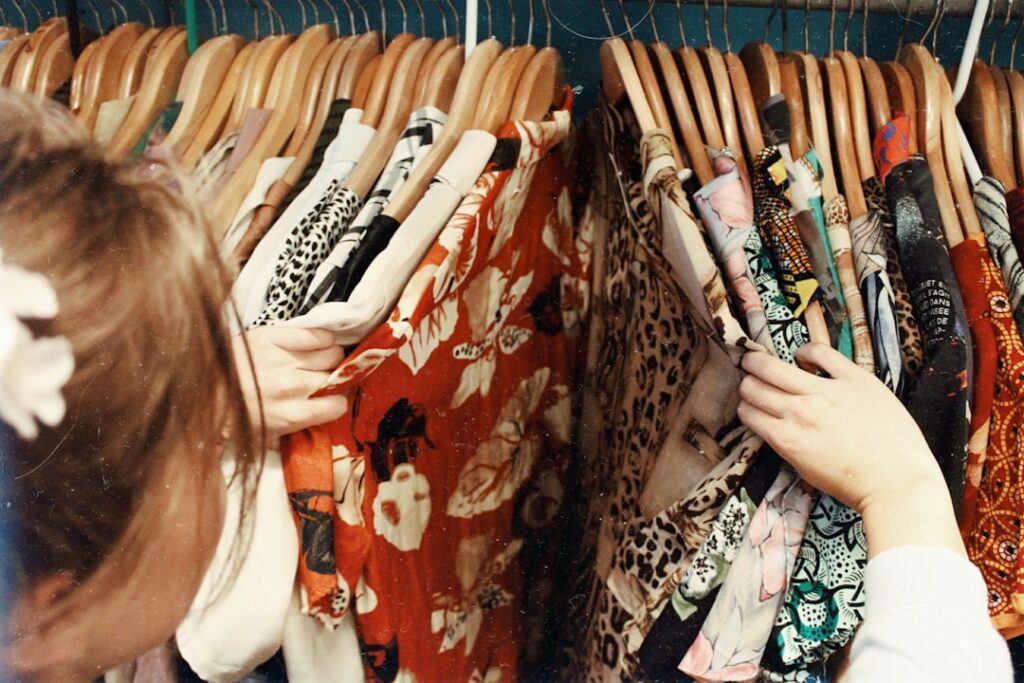
The bins are where donated goods land after they fail to sell on Goodwill’s regular racks, which is exactly why they produce the best thrift stories and the most exhausting thrift trips.
A Goodwill outlet looks nothing like a regular Goodwill. There are no tidy racks sorted by size and color. Instead there are long rows of large bins piled with clothing, shoes, housewares, toys and books, and shoppers working through them by hand. Most of it is sold by weight. This guide explains how the Goodwill outlet model works, why prices and rules change from one region to the next, what a bin rotation is, and how to shop efficiently without wearing yourself out. If you want the wider context on who runs which thrift chains, our Thrift Store Chains guide covers Goodwill alongside Salvation Army, Savers and the regional players.
What a Goodwill outlet actually is
Goodwill is not one company with one set of stores. Each Goodwill store, including each outlet, is run by a local, independent Goodwill organization, and those organizations are nonprofits. That one fact explains most of the confusion online about the bins: a price, a rule or a rotation schedule that is true in one city may not be true two states away. If you are new to how Goodwill is structured, Is Goodwill a Thrift Store? How It Works Explained covers the basics.
The outlet’s role in that system is straightforward. Items go to the outlet when they do not sell in regular Goodwill stores. Goodwill of Central and Southern Indiana and Goodwill of Northern New England both describe the outlet this way on their own sites. In other words, the regular stores get first pass on donated goods. Whatever does not sell there gets a second chance at the outlet, where it is dumped into bins and sold mainly by the pound.
Shoppers call these stores “the bins,” “Goodwill bins” or simply “the outlet.” Because each is run locally, look for the outlet page on your local Goodwill’s website rather than a national directory.
One warning before going further: sites such as goodwillbins.org and goodwilloutlets.us are not official Goodwill sites. They may look helpful, but they do not speak for any Goodwill organization, so do not rely on them for hours, prices or locations.
How Goodwill pay-by-the-pound pricing works
The defining feature of a Goodwill outlet store is weight-based pricing. Instead of each item carrying a tag, most goods are weighed at the register and you pay a per-pound rate. That is where the “goodwill pay by the pound” phrase comes from.
Here is one real example, with an important caveat. Goodwill of Central and Southern Indiana lists clothing, housewares, glassware, media and toys at $1.99 per pound at its outlet, as of October 2026. Heavy or large items, such as furniture, are priced individually rather than by weight. That outlet also sells everything as-is, with no refunds or exchanges. This is one local Goodwill’s pricing. It is not a national rate, and other Goodwill organizations set their own prices, categories and rules.
What does weight-based pricing mean in practice? Light items are where the value sits. A silk blouse, a thin cotton tee or a scarf weighs very little, so the cost per piece can be tiny. Heavy items work the other way. Denim, wool coats, boots and ceramic dishes add weight quickly, so the per-piece cost climbs. Shoppers who resell clothing often keep this in mind and prioritize lighter, higher-value pieces.
Some outlets sell certain categories differently, for example by the piece instead of by weight, and some use tiered rates. Check the signs at your outlet or the pricing on your local Goodwill’s outlet page. If the price matters to your decision, ask at the register before you start filling a cart.
Bin rotations: how stock moves through the day
The bins do not sit still. Staff rotate them throughout the day, wheeling out picked-over bins and rolling in fresh ones. One local Goodwill, Goodwill Greater MC, describes this rotation in a 2026 guide on its blog, and also notes that exact schedules vary by store.
Rotations are the heartbeat of the outlet. When a fresh set of bins comes out, shoppers often wait at the edge until staff give the signal to start, then everyone moves in at once. The first few minutes after a rotation are when the best items surface, which is why regulars plan their visits around them.
There is no universal rotation schedule. Some outlets rotate on a set timetable; others rotate when staff are ready. The practical approach is to ask staff how rotations work at your outlet, or watch for a pattern over a couple of visits. Many local Goodwills also share outlet news on their own social media, which can help you time a visit.
Bins etiquette and safety
Bins thrift shopping comes with its own set of norms, and following them makes the experience better for everyone. These are the rules most outlets post and most regulars observe.
Wait for the signal on a fresh rotation. Do not reach into new bins before staff say go. Outlets that post rules almost always include this one.
Do not hoard or block. Grabbing armfuls of items to sort later, or parking a cart across a bin, is the fastest way to annoy other shoppers. Pick what you want, put back what you do not.
Keep your hands careful. Bins can contain broken glass, sharp tools or other hazards mixed in with soft goods. Many regulars wear gloves. A pair of thin, grippy Nitrile Coated Work Gloves on Amazon protects your hands without making it hard to feel fabric.
Top-selling match on Amazon

- Premium Professional Work Gloves: Built for warehouse operations, package handling, electrician work, assembly tasks…
- Work Gloves With Grip: Water-based foam nitrile coating provides secure grip on boxes, inventory, scanners…
Watch your belongings. Crowds and busy bins make it easy to set a phone down and lose it. Keep valuables zipped away.
Be patient with staff. Outlet employees move heavy bins and manage crowds. Following their instructions keeps the floor safe for everyone.
What you can find at a Goodwill outlet
Because outlet stock is made up of goods that did not sell in regular stores, the selection is broad and completely unpredictable. Most outlets carry clothing, shoes, housewares, glassware, books, media and toys, and some carry larger items and furniture priced separately.
The appeal is that pricers in a regular store sometimes miss things, and the outlet is where those items end up. Shoppers regularly report finding vintage clothing, name-brand pieces that slipped past, quality fabrics such as wool, linen and silk, and housewares that collectors seek out. Our Most Valuable Thrift Store Finds roundup covers the kinds of items that tend to be worth more than they look.
The flip side is volume. For every good piece, you will handle a lot of worn, stained or damaged goods. That is the trade: lower prices and the chance of a great find, in exchange for time and effort. If you would rather browse sorted racks, a regular store or a curated Goodwill Boutique Stores is a better fit.
Who should shop the bins
Resellers. The bins are a staple for people who sell clothing online. Low per-pound costs leave room for profit on the right pieces. If that is your plan, our How to Sell Vintage Clothing Online covers what sells and where.
Crafters and upcyclers. Fabric for quilting, sewing and repair projects is easy to source by weight, and damaged garments that would never sell on a rack can still be useful material.
Budget shoppers with time. If you can spend a couple of hours digging, the outlet can stretch a clothing budget further than almost any other store format.
Vintage hunters. Pieces that a regular store’s pricer did not recognize as vintage can surface here. Our Vintage Thrift Store guide helps you spot them.
The bins are not ideal for anyone short on time, anyone with a specific size or item in mind, or anyone who finds crowds stressful. They are also not a good fit if you need to return things, since at least some outlets, such as the Indiana example above, sell everything as-is with no refunds.
How the Goodwill outlet compares to other thrift formats
The outlet is one of several discount formats. The table below compares it with the formats shoppers usually weigh it against. Exact prices are left out where they vary by operator.
| Format | How pricing works | How stock is presented | Returns | Best for |
|---|---|---|---|---|
| Goodwill outlet (the bins) | Mainly by the pound; large items priced individually; rates vary by local Goodwill | Unsorted bins, rotated during the day | Often as-is (e.g., no refunds or exchanges at the Indianapolis-area outlet) | Resellers, crafters, patient bargain hunters |
| Regular Goodwill store | Individually tagged; set by local Goodwill | Racks sorted by category and size | Set by local Goodwill | Everyday thrifting for specific sizes |
| Goodwill boutique | Individually tagged, usually higher than regular stores | Curated, higher-end selection | Set by local Goodwill | Name-brand and designer pieces without the dig |
| Family Thrift Outlet (Texas) | Per item: $2.50 on Thursday, dropping 25 cents a day to 25 cents on Wednesday | Outlet-style store | Check in store | Shoppers who like timing a daily markdown |
| ShopGoodwill (online auctions) | Auction bidding plus shipping | Online listings from participating Goodwills | See ShopGoodwill’s policies | Specific items without visiting a store |
The outlet wins on raw cost per item when you are buying light clothing in volume. Nothing else on this list gets close for a reseller filling a bag with lightweight tops. It loses on convenience, though, because nothing is sorted and you have to dig. A regular Goodwill store charges more per piece, but you can walk straight to your size and be done in fifteen minutes.
The Family Thrift Outlet model in Texas is an interesting contrast. Instead of charging by weight, it uses a falling price per item: new inventory arrives each Thursday at $2.50 an item, and the price drops 25 cents a day until it hits 25 cents on Wednesday, according to Family Thrift Center. That rewards a different kind of strategy: patience instead of digging. Our Family Thrift Outlet guide explains it in detail.
At the other end, Shop Goodwill Online lets you bid on items that participating Goodwills list online, which suits shoppers who want something specific and do not want to visit a store at all. If you go that route, read Is shopgoodwill Legit? What to Know Before You Bid first so you understand how the auctions and shipping costs work.
How to shop the Goodwill outlet efficiently
Shopper consensus on outlet strategy is remarkably consistent. These are the habits that come up again and again.
Go with a plan. Decide in advance what you are looking for, whether that is denim, kids’ clothes, vintage tees or kitchenware. The bins are overwhelming without a focus.
Learn the rotation rhythm. Ask staff when rotations happen, or note the pattern across a few visits. Arriving just before a rotation gives you first look at fresh bins.
Use a tote or bag. Whether or not your outlet provides carts, a sturdy reusable bag keeps your finds together while you move between bins.
Inspect before you weigh. Check seams, zippers, stains, pilling and odors before you add something to your pile. At per-pound prices, extra weight from items you will not use is wasted money.
Mind the weight. If you are buying for resale or on a strict budget, favor lightweight items with strong value, and think twice about heavy pieces unless they are worth it.
Clean everything when you get home. Outlet goods have been through a lot of hands. Wash clothing before wearing, and clean shoes and housewares thoroughly. Our guide on How to Clean Shoes from the Thrift Store covers footwear, and a Mesh Laundry Bags For Delicates on Amazon set helps protect fragile vintage pieces in the wash.
Top-selling match on Amazon
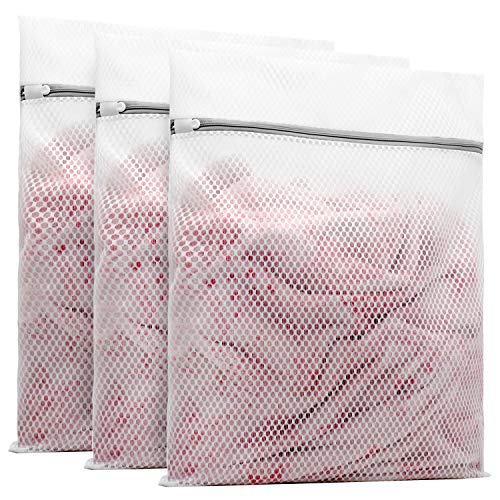
- Large And Extra Strong: our 16" x 20" (40 x 50 cm) laundry bag made of durable material (90g honey comb…
Your first trip to the bins: what to expect
First visits to a Goodwill outlet tend to go one of two ways: shoppers either love the treasure-hunt energy or leave within twenty minutes. Knowing what the floor looks like before you walk in makes the first outcome far more likely.
Expect a large, open room with rows of bins rather than racks. Some bins may be grouped loosely by category, such as soft goods in one area and hard goods in another, but within a bin, everything is mixed. You will see clothing tangled with bedding, a stray shoe next to a stack of paperbacks, and housewares settled at the bottom. Other shoppers will be working the same bins, and many of them are regulars who know the rhythm of the place.
Expect to touch a lot of things. The fastest way to work a bin is to scan the surface for colors and fabrics you like, then lift and shift layers rather than pulling everything out. Regulars tend to move in a steady pattern down a row instead of jumping around, which keeps them from missing a bin entirely.
Expect to pay at a scale. When you check out, staff weigh your items by category where the pricing requires it, and price any large items separately. If you are curious about the total before committing, ask whether there is a scale you can use while you shop; some stores have one and some do not.
Finally, expect to wash and sort at home. A bins haul is raw material. Build in time to wash, inspect again in better light, and set aside anything that does not make the cut. Many shoppers donate their rejects straight back, which keeps the cycle moving. If you have bulky household items to pass on afterward, such as a cabinet or a door from a home project, a Habitat for Humanity ReStore is designed to take that kind of donation where a clothing thrift is not.
Bins versus sorted stores for resellers
For anyone sourcing clothing to resell, the choice between the bins and a sorted store is mostly a question of what your time is worth. At a regular store such as Goodwill, Savers Thrift Store or Salvation Army, someone has already sorted, priced and hung the stock. You pay more per item, but you can scan a rack of jackets in minutes. At the outlet, you pay much less per item, but the sorting is your job.
Most resellers who use the bins treat them as a volume play: a high number of low-cost pieces, a fair share of which will not sell, balanced by the occasional item that sells for many times its cost. That math only works if you are disciplined about what goes on the scale. Shoppers who buy everything that looks interesting tend to end up with piles of inventory and not much profit. For a primer on what tends to sell, our Thrift Store Finds and broader Thrifting are good starting points.
Finding a Goodwill outlet store near you
Not every area has an outlet. Because outlets are run by local Goodwill organizations, the best way to find one is to check your local Goodwill’s website, which will list its outlet if it has one, along with hours and current pricing. If you are not sure which Goodwill organization serves your area, start at goodwill.org and follow it to your local organization’s site. Our Goodwill Thrift Store Near Me guide has more tips on finding stores of all formats near you.
Avoid relying on unofficial directories. As noted above, goodwillbins.org and goodwilloutlets.us are not official Goodwill sites, so their hours and prices may be wrong or out of date. When in doubt, call the store.
The verdict
The Goodwill outlet is the most rewarding and the most demanding thrift format in America. If you have time, patience and a clear idea of what you want, the bins can deliver prices and finds that no sorted store can match. Resellers, crafters and vintage hunters should make it part of their regular rotation.
If you want a quick trip, a specific size or the option to return things, skip it. A regular Goodwill or a boutique will serve you better. And whatever you decide, check your local Goodwill’s own outlet page before you go. Every outlet is run by an independent local Goodwill, so the price per pound, the rotation schedule and the return policy belong to that store alone. The best bins shoppers are the ones who learn their own outlet’s rhythm rather than trusting a rule they read online.
Shop the look on Amazon
Everything you need to build a secondhand-style wardrobe, delivered. We may earn a commission on purchases.
FAQ
How much is a pound at the Goodwill outlet?
It depends on your local Goodwill. As one example, Goodwill of Central and Southern Indiana lists clothing, housewares, glassware, media and toys at $1.99 per pound as of October 2026. Other regions set their own rates, so check your local outlet’s page.
Where do Goodwill outlet items come from?
Items go to the outlet when they do not sell in regular Goodwill stores. The outlet is a second chance to sell those goods, mainly by weight.
Can you return items bought at the Goodwill bins?
Often not. The Indianapolis-area outlet, for example, sells as-is with no refunds or exchanges. Policies are set locally, so ask at your outlet.
When do the Goodwill bins get restocked?
Bins are rotated with new stock throughout the day, but exact schedules vary by store. Ask staff or watch for a pattern over a few visits.
Is goodwillbins.org the official Goodwill outlet site?
No. Neither goodwillbins.org nor goodwilloutlets.us is an official Goodwill site. Use your local Goodwill organization’s website instead.
Is everything at the Goodwill outlet sold by the pound?
Not always. Merchandise is sold mainly by the pound, but heavy or large items such as furniture are typically priced individually. Some outlets price certain categories differently, so check the signs.
Are all Goodwill outlets run by the same company?
No. Each outlet is run by a local, independent Goodwill organization, which is why pricing, rules and hours vary from region to region.


