
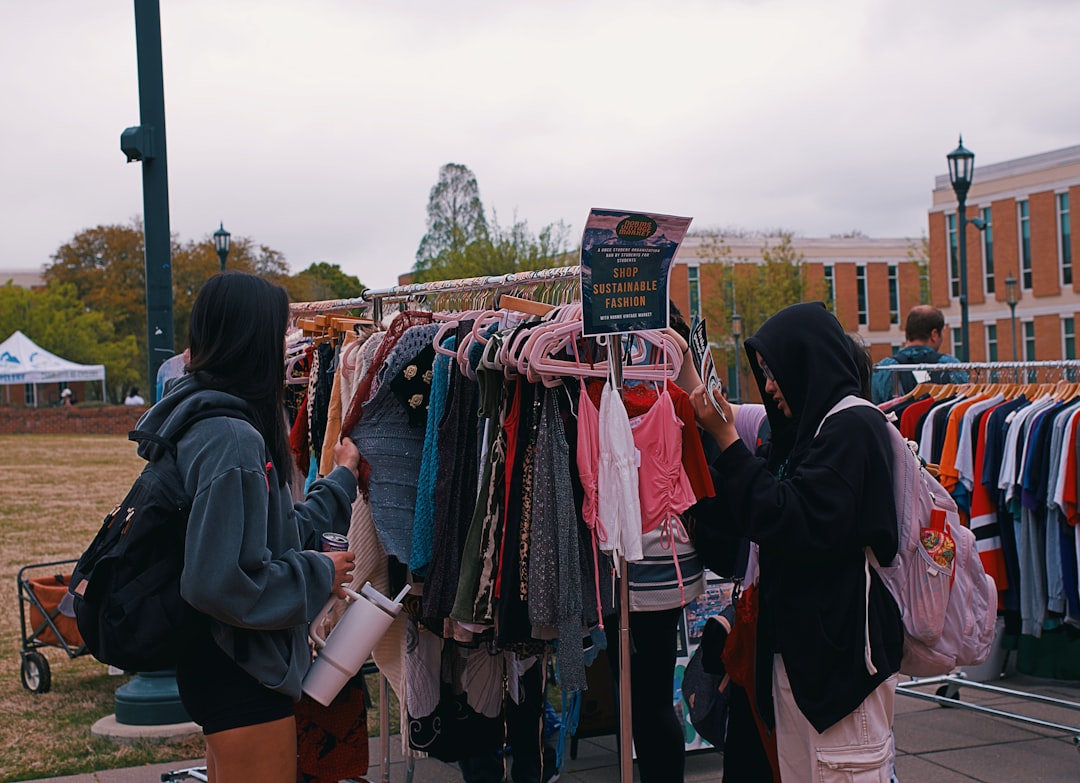
The difference between leaving a thrift store with a $5 cashmere sweater and leaving with a bag of polyester you’ll never wear comes down to knowing what to look for.
Good thrift store finds aren’t random luck — they’re pattern recognition. After four years of weekly thrift trips, I can walk into a Goodwill, scan the racks in 30 minutes, and pull out the two or three pieces worth buying. The rest is noise. The skill isn’t finding things you like the look of; it’s identifying quality construction, good fabric, and brands that hold up — then knowing which categories are consistently worth buying secondhand and which are almost never worth the gamble. Here’s everything I’ve learned about finding the best thrift store finds consistently. For a broader secondhand shopping strategy, our Thrift Resale hub covers all the platforms and approaches.
The Categories Where Thrift Store Finds Are Consistently Worth It
Wool and cashmere sweaters. This is the single best category for thrifting. Quality wool and cashmere holds up for decades, and people donate these regularly — often because of minor pilling that a $10 fabric shaver fixes in minutes. I’ve found J.Crew Italian cashmere for $6, Brooks Brothers merino for $5, and a vintage Pendleton wool sweater for $8 that’s now one of my most-worn pieces. Check for moth holes (hold it up to the light), pill severity, and whether the knit has stretched out. Minor pilling is fine; holes and stretched necklines are not.
Denim jackets and jeans from quality brands. Levi’s, Gap, Wrangler, and vintage denim brands are thrift store staples. I find Levi’s 501s at least once a month at my local Goodwill, typically priced at $6-8. The key is checking the stretch — put a finger through the belt loop and tug. Quality denim should feel sturdy, not flimsy. Avoid any pair with blown-out knees unless you specifically want that look. I’ve also found nearly-new Madewell jeans for $7 twice — likely returns that ended up donated.
Quality outerwear. Coats and jackets are among the best thrift finds because they’re expensive new, hold up well, and people donate them when their style preferences change. I pulled a London Fog trench coat ($8) that would cost $150+ new, and a Patagonia fleece ($10) that still looks current. Check zippers thoroughly — a broken zipper on a coat is usually not worth repairing.
100% cotton button-downs and Oxford shirts. Brands like Brooks Brothers, Ralph Lauren, and L.L.Bean make button-downs that are essentially indestructible. I have a thrifted Brooks Brothers Oxford I’ve worn weekly for two years. These run $4-6 at chain thrift stores. The fit is usually classic/relaxed, which works for layering or tucking. Vintage Button Down Shirt Women on Poshmark
Leather belts and bags. Real leather accessories are easy to spot by feel and smell once you’ve handled a few. Thrift stores price belts at $2-4 and bags at $5-15 regardless of quality. I found a Coach leather crossbody for $8 that needed only a leather conditioner treatment to look nearly new. Check the hardware — quality bags use solid metal, cheap ones use lightweight alloy that chips.
What to Skip at Thrift Stores
Underwear and swimwear. Even if they look unworn, this is a hygiene boundary I don’t cross, and most experienced thrifters agree. Bras are a rare exception — you can find quality bras with tags still on — but it’s uncommon enough that I don’t shop for them at thrift stores.
Fast fashion brands. If an item was $12 new at Forever 21, it’s not a deal at $5 used. Fast fashion is designed to last one season. The fabric is thin, the seams are minimal, and the dye fades quickly. I see enormous quantities of Shein, H&M basics, and Fashion Nova at thrift stores, and I walk right past all of it. Your time is worth more than sorting through clothes that were disposable when they were new.
Anything with a musty smell. A mild thrift store smell washes out. A deep, embedded musty or mildew odor usually doesn’t. I’ve tried vinegar soaks, baking soda treatments, and sun-drying, and once the smell is in the fibers, it tends to come back. Give items a quick smell test before buying. It takes two seconds and saves you from a disappointing wash day.
Shoes with visible sole wear. Thrifted shoes can be great — I’ve found barely-worn leather boots multiple times. But shoes with worn-down heels or compressed insoles have already molded to someone else’s foot, and that affects both comfort and foot health. Look for shoes with minimal sole wear, especially in the heel area.
How to Spot Quality on the Rack
The fabric check comes first. Pinch the fabric between your fingers. Quality cotton has a crisp hand. Good wool feels dense, not scratchy. Silk has an unmistakable smooth coolness. Cheap polyester feels plasticky. After a few trips, your fingers learn to identify fabric quality before your eyes read the label.
Check the seams by turning the garment inside out. Quality construction means finished seams (serged or French seams), consistent stitch lines, and reinforcement at stress points. If you can see raw edges or loose threads at the seams, the construction is cheap regardless of the brand name.
Buttons and hardware tell a story. Real horn, shell, or metal buttons indicate a higher-quality garment. Painted plastic buttons that are already chipping suggest the piece was budget-made. Zippers should be YKK or comparable — off-brand zippers are a reliability risk.
Labels matter but aren’t everything. I look for “Made in” countries associated with quality manufacturing at the piece’s price point — Portugal, Italy, Japan, and the U.S. for mid-range brands. But a well-made garment from any origin beats a poorly made one with a premium label. I’ve found excellent quality from Vietnamese and Chinese factories working for brands that invest in construction standards.
Timing and Strategy for Better Thrift Finds
Weekday mornings beat weekend afternoons consistently. Most thrift stores process donations and restock over the weekend and on Mondays. By Saturday afternoon, the week’s best items have been picked over by resellers and regular thrifters. I go Tuesday or Wednesday morning and have the freshest inventory with the fewest competitors.
Location matters enormously. Thrift stores in affluent neighborhoods receive higher-quality donations. The Goodwill near a wealthy suburb will have substantially different inventory than one in a lower-income area. I have three stores in a 20-minute radius and the quality gap between the best and worst is dramatic — the same $6 price tags on dramatically different brands.
Go frequently, buy selectively. I visit weekly and buy maybe 2-3 items per trip. The temptation is to grab everything that seems like a deal, but a closet full of $4 items you don’t actually wear is still a waste. I ask myself: would I buy this at full price in my size at a regular store? If no, I leave it regardless of the thrift price. For more on building outfits from thrift finds, see Thrifted Outfits.
The Verdict
The best thrift store finds cluster in predictable categories: wool and cashmere knitwear, quality denim, outerwear, cotton button-downs, and leather accessories. These are items where the quality gap between brands is large and the secondhand discount is meaningful. Skip fast fashion brands, avoid anything with embedded odors, and learn to assess fabric and construction by touch. The real skill in thrifting isn’t luck — it’s the discipline to pass on 50 mediocre items so you can recognize the one great one. Go weekly, go on weekdays, and check the affluent-neighborhood stores first. Your best thrift finds are waiting; you just need to know what they look like. Fabric Shaver Lint Remover on Amazon
Shop the look on Amazon
Everything you need to build a secondhand-style wardrobe, delivered. We may earn a commission on purchases.
FAQ
What are the most valuable things to look for at thrift stores?
For personal use: cashmere and wool knitwear, quality denim (Levi’s, Madewell, A.P.C.), and leather accessories. For resale value: vintage Levi’s (especially pre-2000 orange tab), quality leather goods from heritage brands (Coach, Dooney & Bourke), and vintage workwear brands (Carhartt, Dickies). Pyrex and cast iron are the non-clothing items most consistently worth grabbing.
How do you wash thrift store clothes?
I wash everything before wearing. For most items, a regular warm-water wash cycle with standard detergent is sufficient. For delicates, cashmere, or silk, I use a cold-water hand wash with Soak no-rinse detergent. For items I’m unsure about, a 30-minute soak in warm water with a cup of white vinegar before washing handles any residual odor or bacteria.
Is it worth thrifting for designer brands?
Yes, but manage your expectations. I find genuine designer items maybe once every 4-5 visits at chain thrift stores. When I do, the savings are dramatic — a Theory silk blouse for $6, an Eileen Fisher wool coat for $12. Higher-end consignment shops and online platforms like Poshmark have better designer selection but at higher prices. Chain thrift stores are where the real steals happen, just less frequently.
What time do thrift stores put out new inventory?
Most chain thrift stores restock throughout the day, but the largest batches typically hit the floor in the morning between opening and noon. Goodwill and Salvation Army employees I’ve talked to confirm that morning processing is the busiest inventory window. Some locations do a second restock in the early afternoon. Calling your local store and asking about their restock schedule is the most reliable approach.


