Two or three words on an invitation can leave you staring at your closet. Here is what each one asks for, ranked from the most relaxed to the most formal.
This is dress codes explained in plain terms: what each phrase on an invitation, office handbook or event page usually means, how the codes rank against each other, and where the etiquette authorities disagree. That last part matters, because dress codes are conventions, not laws. The Emily Post Institute, The Knot and Debrett’s all publish guidance, and they do not always line up. The host, the couple or your employer always has the final word. If you want to build these outfits without overspending, our guide to Best Affordable Fashion Brands (2026) covers labels that keep dressier pieces within reach, and thrift stores are full of suits, blazers and evening dresses that only got worn once.
Below you will find every common code in order of formality, a master comparison table, a short section on the codes that are not really codes at all (garden party and rehearsal dinner), the rules that apply across all of them, and links to our in-depth guide for each one.
How dress codes rank: the formality ladder
Think of dress codes as rungs on a ladder. Each rung up asks for darker colors, finer fabrics, longer hemlines and more structured tailoring. The order most etiquette guides follow, from the bottom up, looks like this:
- Casual – everyday clothes, but clean and put together.
- Smart casual – polished pieces mixed with relaxed ones.
- Business casual – relaxed professional wear, set largely by the employer.
- Cocktail – knee-length to midi dresses, dressy separates, suits.
- Semi-formal – dressier than the office, a step below formal.
- Formal / black tie optional – floor-length or refined cocktail dresses, dark suits or tuxedos.
- Black tie – tuxedos or dinner jackets, evening dresses.
- White tie – the most formal code there is.
There are two wrinkles worth knowing before you go further. First, the boundary between cocktail and semi-formal is blurry. The Emily Post Institute’s attire guide, as summarized in search results, groups cocktail attire under the semi-formal heading, while many wedding guides list the two separately. Second, “formal” and “black tie optional” are often used as the same code. When two rungs overlap like this, aim for the dressier interpretation.
Casual
Casual is the most relaxed code, but it still assumes clean, well-fitting clothes in good repair. At a backyard barbecue or a casual office it can mean jeans, a T-shirt and sneakers. The word changes meaning depending on where it appears, though. On a wedding invitation, casual is not an invitation to wear what you would wear to the grocery store. One regional wedding guide advises that casual at a wedding still rules out denim, shorts and athletic wear, and suggests lighter suits or linen for garden settings. Not every source goes that far, but it is a sensible default for any celebration.
Women: a sundress, a casual midi skirt with a knit top, or neat trousers with a blouse. Men: chinos or linen trousers with a button-down or polo. Leave the gym clothes and flip-flops at home unless the hosts say otherwise.
Smart casual
Debrett’s describes smart casual as a code that “can be the hardest dress code to interpret,” and it is easy to see why. There is no single standard. The common definition, used by career and style guides, is a mix of polished business pieces and casual ones: a blazer over a T-shirt, dark-wash jeans with leather loafers, a silk blouse with chinos. It sits between dressy casual and business casual. Debrett’s also notes that a lounge suit is “the smartest of the informal dress codes,” which places it a notch above smart casual.
A good rule: pick one clearly dressy piece (a blazer, a structured bag, polished shoes) and build the rest of the outfit around it. That single piece signals effort without tipping into office wear. Our full Smart Casual Dress Code guide has outfit examples for men and women.
Business casual
Business casual has no universal definition. Career guides describe it broadly as a blend of traditional business wear and a more relaxed style that still reads as professional, but what that means in practice varies by industry, company culture and even seniority. A tech company may lean casual and allow jeans; a financial firm may lean formal and expect trousers and a blazer. The employee handbook, or simply watching what colleagues wear in your first week, is the most reliable guide.
Typical women’s pieces include tailored trousers, knee-length or midi skirts, blouses, fine knits, blazers and closed-toe flats or low heels. Men usually wear chinos or wool trousers with a collared shirt, with or without a blazer. See Business Casual for Women for capsule-style outfit formulas that work across most offices.
Cocktail attire
Cocktail is the code most people meet at evening parties, milestone birthdays and a large share of weddings. Women usually wear a knee-length to midi dress, dressy separates or a jumpsuit. Men wear a suit, typically in a darker shade for evening events.
The sticking point is the tie. Summaries of the Emily Post guide describe cocktail as semi-formal and suggest a tie may be optional, while The Knot and many wedding guides describe cocktail attire for men as a suit and tie. Since the sources differ, the safest move is to wear a tie when you are unsure. You can always take it off once you see what everyone else is wearing. Our Cocktail Attire guide breaks down fabrics, hemlines and shoes in detail.
If you are shopping for this code, a versatile knee-length dress in a solid jewel tone or black covers a lot of events. Search ideas: Womens Cocktail Dress Midi on Amazon.
Top-selling match on Amazon
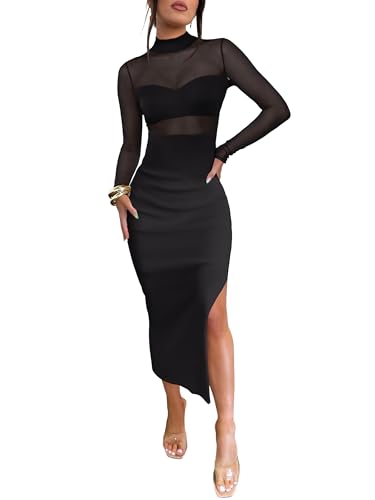
- Size: S=US (4-6), M=US (8-10), L=US (12-14), XL=US (16-18), XXL=US (20-22). For more…
- Fabric: Shell: 95% polyester, 5% elastane; lining: 92% rayon, 8% elastane. Medium thickness…
- Features: Women's sexy bodycon midi-length dress set with long mesh sleeves, a crop top, an…
Semi-formal attire
The Emily Post Institute describes semi-formal as more formal than office wear and slightly less formal than a formal event. For women, its guidance includes short afternoon or cocktail dresses, a little black dress, long dressy skirts with tops, or dressy separates. For men, a dark business suit with a dress shirt, tie, leather dress shoes and dark socks, with an optional matching vest.
Timing matters here. Emily Post’s guidance, as summarized, suggests leaning more formal if a semi-formal event begins after 6 pm. Some wedding guides, such as the planning site Joy, treat semi-formal and cocktail as near-equivalents and allow men to skip the tie. Emily Post expects one. As with cocktail attire, wearing the tie is the lower-risk choice. More detail in our Semi-Formal Attire guide.
Formal and black tie optional
“Formal” on an invitation sits above cocktail and slightly below black tie, but it comes with fewer specifics than either. According to The Knot, floor-length gowns are appropriate for a formal event and sophisticated cocktail dresses also work. Men wear a dark suit and tie, and a tuxedo is welcome.
Many guides treat “formal” and “black tie optional” as one code. The Knot’s guidance on black tie optional says women can wear cocktail or formal wear and men can wear a dark suit or a tuxedo. The word “optional” applies to the tuxedo: the hosts will be wearing black tie, and you may join them, but a well-fitted navy or charcoal suit is perfectly acceptable. Because “formal” is used loosely, check the couple’s wedding website or ask the hosts if you can. Our guide to Formal Wedding Attire walks through outfits for this rung.
Black tie
Black tie is the most formal code most people will ever see on an invitation. The Emily Post Institute places it slightly below white tie but well above business attire. Debrett’s calls it “the most frequently encountered formal evening wear,” worn for dinners, parties, balls and some events of the British social season.
Men: Emily Post’s guidance lists a black tuxedo jacket and matching trousers, a formal white shirt, shirt studs and cuff links, a black bow tie, black patent shoes and black dress socks. Debrett’s goes further on the details: a black, single-breasted wool dinner jacket with no vents, silk peaked lapels or a shawl collar and covered buttons, trousers with a single row of braid, and a bow tie that you tie yourself rather than a clip-on.
Women: this is where US and UK guidance part ways. US wedding guidance, including The Knot, points to floor-length gowns in formal fabrics. Debrett’s says knee-length cocktail dresses are the most popular choice at British black tie events, that floor-length can also be worn, and that the dress need not be black, though a short dress must not be too short. For a US wedding, floor-length is the safe choice. For other black tie events, a refined knee-length or midi dress is often fine.
Two variations show up on modern invitations. Black tie optional relaxes the requirement (covered above). Creative black tie relaxes the styling: still a tuxedo or dinner jacket and formal trousers, but with room for color, velvet or an ivory jacket. Be aware that none of the major etiquette authorities publish a formal definition of creative black tie; that description comes from tailors and wedding writers. Our Black Tie Attire guide covers all three versions.
Renting is common for tuxedos, but buying a classic one secondhand can work out cheaper if you attend more than one black tie event. Search ideas: Mens Tuxedo Slim Fit Black on Amazon.
Top-selling match on Amazon
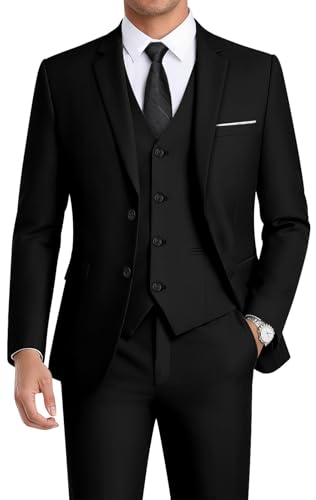
- Find Your Perfect Fit:Our WEEN CHARM men's slim fit tuxedo suit is available in sizes XS to…
- Modern Design and Slim Fit:Crafted with 3D draping techniques and high-quality materials,our…
White tie
White tie sits at the very top of the ladder. Both Emily Post and Debrett’s rank it above black tie, and it is named for the white bow tie that goes with it. You are unlikely to see it on a wedding invitation or a work event. It belongs to a small number of state dinners, balls and very traditional occasions. Because it is so rare and so specific, this guide does not try to list every component. If you receive a white tie invitation, ask the hosts or a formalwear rental shop for the exact requirements, which tend to be strict.
Master comparison table: every code at a glance
| Dress code | Formality | Women (typical) | Men (typical) | Where sources disagree |
|---|---|---|---|---|
| Casual | 1 of 8 | Sundress, neat jeans or trousers, simple top | Chinos, polo or button-down | At weddings, one guide rules out denim, shorts and athletic wear |
| Smart casual | 2 of 8 | Blazer with dark jeans, blouse with tailored trousers | Blazer, chinos or dark jeans, polished shoes | Debrett’s calls it the hardest code to interpret; no single standard |
| Business casual | 3 of 8 | Tailored trousers, midi skirts, blouses, knits, blazers | Chinos or wool trousers, collared shirt | Varies by employer and industry |
| Cocktail | 4 of 8 | Knee-length to midi dress, dressy separates, jumpsuit | Suit, usually with a tie | Tie required or optional depends on the source |
| Semi-formal | 5 of 8 | Cocktail or afternoon dress, LBD, dressy separates | Dark suit, dress shirt, tie | Emily Post expects a tie; some wedding guides do not. Go dressier after 6 pm |
| Formal / black tie optional | 6 of 8 | Floor-length gown or sophisticated cocktail dress | Dark suit and tie, or tuxedo | Often treated as the same code |
| Black tie | 7 of 8 | Evening dress; floor-length is safest in the US | Tuxedo or dinner jacket, black bow tie | Debrett’s (UK) says knee-length cocktail dresses are the most popular choice |
| White tie | 8 of 8 | Ask the hosts for exact requirements | Ask the hosts for exact requirements | Rare; requirements tend to be strict and specific |
Creative black tie sits alongside black tie in formality. It keeps the tuxedo or evening dress but allows more expressive color and fabric, and no major etiquette authority defines it formally.
The “non-codes”: garden party and rehearsal dinner
Some phrases on invitations describe a setting rather than a formality level. They need a different kind of reading.
Garden party is not a formal code. It tells you the event is outdoors, usually in daylight, and the actual formality depends on the hosts. The Knot’s guidance for outdoor events stresses comfort and style through light fabrics and floral touches, seasonal fabrics (linen and cotton in summer, velvet in winter), and shoes that cope with grass and uneven ground. As practical advice, block heels, wedges or flats are a better bet than stilettos, which sink into lawns. For autumn events, bring a wrap, shawl or dress coat. See Garden Party Attire.
Rehearsal dinner has no fixed code at all. The Knot advises matching the formality of the venue: an upscale restaurant, hotel or country club calls for something like a floral midi dress or a suit and tie; a cocktail bar or winery suggests semi-formal or business casual; a casual gathering may allow jeans. A midi-length little black dress works almost anywhere, and being slightly overdressed beats the reverse. Check the invitation first, since hosts often state the attire. See What to Wear to a Rehearsal Dinner.
Rules that apply to every dress code
Don’t wear white to a wedding
Most etiquette sources advise guests to avoid white, ivory and cream at a wedding unless the couple asks for it. The Knot is strict on this: no all-white or mostly white outfits, although white shoes are fine if they are not paired with other white pieces. The Emily Post Institute explains the tradition as white being reserved for the bride, so a white outfit risks drawing attention away from her. Its guidance has relaxed on some old rules (black is no longer off-limits for guests), but white is still generally best avoided.
The invitation outranks any guide
Every rule in this article is a convention. If an invitation says “cocktail attire, but wear your dancing shoes,” or a wedding website asks guests to wear a particular color, follow the hosts. If the code is ambiguous, ask. Most hosts would much rather answer a quick question than see guests uncomfortable.
When in doubt, go one step up
Being slightly overdressed is easier to fix than being underdressed. A man can remove a tie or a jacket; a woman can swap statement earrings for simple studs or add a casual cardigan. Turning jeans into a cocktail outfit in a parking lot is much harder.
Time of day shifts the expectation
Evening events generally run dressier than daytime events with the same code. Emily Post’s guidance specifically suggests leaning formal for semi-formal events that begin after 6 pm, and the same logic applies loosely to cocktail and garden events. Darker colors, richer fabrics and more structured tailoring read as evening; lighter colors, linen and cotton read as day.
Season and venue matter
A formal wedding on a beach and a formal wedding in a ballroom share a code, not a wardrobe. Breathable fabrics, sensible shoes and a layer for cooler evenings make any code easier to wear. For outdoor events in shoulder seasons, our temperature guide for What to Wear in 60-Degree Weather has layering ideas you can dress up.
Men’s quick guide by dress code
Men’s dress codes come down to a few key decisions: tuxedo or suit, tie or no tie, dark or light. Here is the short version, drawn from Emily Post, Debrett’s and The Knot:
- Black tie: tuxedo, formal white shirt, black bow tie, black patent shoes. Debrett’s specifies a self-tied bow tie.
- Black tie optional / formal: tuxedo, or a dark navy or charcoal suit with a tie.
- Cocktail: suit and tie, though some sources make the tie optional.
- Semi-formal: dark suit, dress shirt, tie, leather dress shoes.
- Casual wedding: lighter suit or linen; one guide says no denim, shorts or athletic wear.
A single well-fitted navy or charcoal suit covers cocktail, semi-formal, formal and black tie optional. That makes it the most useful formal purchase a man can make, and thrift and consignment shops often have good wool suits that just need tailoring. Our What Men Should Wear to a Wedding as a Guest, by Dress Code guide goes code by code with shirt, shoe and accessory notes. Search ideas: Mens Navy Suit Slim Fit on Amazon.
Building a dress-code wardrobe on a budget
You do not need a separate outfit for every rung of the ladder. A handful of versatile pieces cover most invitations:
- A dark, well-cut dress in a midi or knee length. Dress it up with heels and fine jewelry for cocktail or semi-formal; add a wrap and flats for a daytime event.
- A floor-length dress or elegant jumpsuit. This handles formal and black tie optional, and a US black tie wedding.
- A navy or charcoal suit. For men, the backbone of cocktail through formal. For women, a suit with a silk shell works for business casual and smart casual.
- A blazer. The fastest way to move a casual outfit up to smart casual.
- One pair of comfortable dress shoes you can stand in for hours, plus block heels or dressy flats for outdoor events.
Thrifting is a strong fit for formalwear. Evening dresses and suits are often worn only a few times before they are donated, so they tend to turn up in good condition. When shopping secondhand, check the fabric label (wool, silk and heavier blends usually drape better than thin synthetics), look at seams and linings, and budget for tailoring. A small hem or waist adjustment can make a thrifted suit look made to measure. Search ideas for the basics: Womens Formal Maxi Dress on Amazon.
Every dress code guide in this series
Each code has its own in-depth guide with outfit formulas, what to avoid, a quick-reference table and an FAQ:
- Cocktail Attire – what knee-to-midi hemlines, dressy separates and the suit-and-tie question mean for cocktail parties and weddings.
- Business Casual for Women – how to read your employer’s version of business casual and build outfits from a small set of pieces.
- Semi-Formal Attire – the code that sits between office wear and formal, including how the time of the event changes the answer.
- Smart Casual Dress Code – the code Debrett’s calls hardest to interpret, with practical outfit examples for both men and women.
- Formal Wedding Attire – what to wear when an invitation simply says “formal,” and how it overlaps with black tie optional.
- Black Tie Attire – tuxedos, evening dresses, and how black tie optional and creative black tie differ from the classic code.
- Garden Party Attire – light fabrics, florals and lawn-friendly shoes for outdoor daytime events.
- What to Wear to a Rehearsal Dinner – matching your outfit to the venue when there is no fixed code, for guests, couples and family.
- What Men Should Wear to a Wedding as a Guest, by Dress Code – a men’s guide to every wedding dress code, from casual linen to a full tuxedo.
Shop the look on Amazon
Everything you need to build a secondhand-style wardrobe, delivered. We may earn a commission on purchases.
Browse picks on Amazon →FAQ
What are the main dress code types, in order?
From least to most formal: casual, smart casual, business casual, cocktail, semi-formal, formal (often the same as black tie optional), black tie and white tie. Creative black tie sits alongside black tie. Garden party and rehearsal dinner describe settings rather than formality levels.
Is cocktail attire the same as semi-formal?
Sometimes. The Emily Post Institute’s guide, as summarized, groups cocktail under semi-formal, and some wedding guides treat the two as near-equivalents. Others separate them, with semi-formal a touch dressier. In practice the outfits overlap heavily: a knee-length or midi dress, or a dark suit.
Do I need a tuxedo for black tie optional?
No. The Knot’s guidance says men can wear a dark suit or a tuxedo. A well-fitted navy or charcoal suit with a tie is fine.
Does black tie mean a floor-length gown?
For a US wedding, floor-length is the safest choice and is what The Knot points to. Debrett’s, writing for a British audience, says knee-length cocktail dresses are the most popular choice and floor-length is also fine. It is not a universal rule.
What does “dressy casual” mean?
It is usually read as a notch above casual and a notch below smart casual: nice jeans or trousers with an elevated top, a casual dress with good shoes. Because no authority defines it precisely, read the setting and ask the hosts if unsure.
Can I wear black to a wedding?
Generally yes. Emily Post’s guidance has relaxed and black is no longer considered off-limits for guests. White, ivory and cream are the colors most etiquette sources still advise against, unless the couple asks for them.
What should I do if the invitation has no dress code?
Look at the venue, the time of day and the style of the invitation itself. An evening event at a hotel suggests cocktail or semi-formal; an afternoon gathering at a park suggests casual. Check the event or wedding website, and if that does not help, ask the hosts.
The bottom line
Dress codes are a shared shorthand, not a test. Learn the order of the ladder, know where the sources disagree (the cocktail tie, the black tie hemline, whether formal and black tie optional are the same thing), and default to the dressier option when unsure. The invitation, the host or your employer always outranks a guide. With a dark suit or a versatile dress, a blazer and one pair of comfortable dress shoes, most of the ladder is already covered, and a careful thrift run can fill the gaps for much less than buying new.
Dressing for Life Events: Funerals, Interviews & Graduations
What to wear when the occasion matters most: funerals, job interviews and graduations, plus business casual for men.
Occasions
- What to Wear to a Funeral
- Funeral Attire for Women
- Funeral Attire for Men
- What to Wear to an Interview
- Interview Outfits for Women
- What to Wear to a Graduation as a Guest
- Graduation Outfits for Mom
Men’s Dress Codes
More Occasion Guides: Showers, Church, Brunch & Nights Out
What to wear to baby showers, church, brunch, bachelorettes and nights out, plus business professional attire.
Occasions
Work Dress Codes
Wedding Guest Dresses by Season
Fall and summer wedding guest dresses, plus summer cocktail attire and summer business casual.
By Season
- Fall Wedding Guest Dresses
- Summer Wedding Guest Dresses
- Summer Cocktail Attire
- Summer Business Casual
Wedding Guides: Family, Casual & Cultural
Mother of the bride and groom colours, casual, courthouse and Indian weddings, and what to wear dress shopping.
More Wedding Guides
- What Color Does the Mother of the Bride Wear?
- What Color Should the Mother of the Groom Wear?
- What to Wear to a Casual Wedding (Guests of All Genders)
- What to Wear to a Courthouse Wedding (Couple and Guests)
- What to Wear to an Indian Wedding as a Guest
- What to Wear Wedding Dress Shopping
Long Dresses, Sleeves & Jumpsuits
Floor length and long sleeve wedding guest dresses, wedding guest jumpsuits and sneaker ball outfits.
Wedding Guest Looks
- Floor Length Dresses for Wedding Guests
- Long Sleeve Wedding Guest Dresses for Every Season
- Wedding Guest Jumpsuits
- Sneaker Ball Outfits
What to Wear To…
Court, jury duty, the theatre, ballet, opera, baptisms, bar and bat mitzvahs, sports games and more.
Formal & Civic
- What to Wear to Jury Duty
- What to Wear to Court (Defendants, Witnesses and Visitors)
- What to Wear to a Career Fair or Job Fair
- What to Wear to a Baptism or Christening
- What to Wear to a Bar or Bat Mitzvah
Shows & Nights Out
- What to Wear to a Broadway Show
- What to Wear to the Ballet
- What to Wear to the Opera
- What to Wear to a Comedy Show
- What to Wear to a Club
- What to Wear in Vegas
Games & Days Out
- What to Wear to a Hockey Game (Stay Warm in the Arena)
- What to Wear to a Baseball Game
- What to Wear to a Basketball Game
- What to Wear to a Rodeo
- What to Wear to a Winery or Wine Tasting
Parties, Galas & Photo Shoots
Engagement parties, galas, masquerades, afternoon tea, themed parties and what to wear for photos.
Parties & Events
- What to Wear to an Engagement Party (Guests and the Couple)
- What to Wear to a Gala
- What to Wear to a Masquerade Ball
- What to Wear to Afternoon Tea or High Tea
- What to Wear to a Luau (Respectful Aloha Attire)
- Birthday Outfit Ideas for Every Kind of Celebration
Themed Parties
- What to Wear to a 90s Party
- What to Wear to an 80s Party
- What to Wear to a 70s Party
- What to Wear to a White Party