A bridal appointment is a few hours of stepping in and out of gowns under bright lights, so the best outfit is the one you barely notice: quick to remove, smooth underneath and paired with the right shoes.
Working out what to wear wedding dress shopping sounds like a small detail, but it shapes how the whole appointment goes. The clothes you arrive in decide how fast you can change, the underwear you choose affects how each gown sits, and the shoes you bring change where every hem falls. This guide covers what bridal salons themselves recommend, outfit formulas that make changing easy, what to pack, when to book, and how bridal sizing works so the number on the sample tag does not throw you. If you are also planning what everyone else will wear on the day, our Dress Codes Explained hub walks through every invitation code from casual to black tie.
Every salon has its own policies, so treat this as a starting checklist and confirm the details with the shop when you book.
The quick answer
If you only read one section, make it this one. For a bridal appointment, wear:
- Clothes that come off and go on easily. A button-front or wrap dress, or a simple top with pull-on trousers, beats anything with lots of fastenings.
- Nude or seamless underwear. David’s Bridal recommends it, and Kleinfeld Bridal treats underwear as the one item you must have on, for sanitary reasons.
- A strapless or convertible bra. David’s Bridal suggests one so straps do not interrupt the neckline of strapless and low-back styles.
- Shoes close to your planned heel height. According to David’s Bridal, heel height changes how the skirt falls, so bring a pair similar to what you expect to wear on the day.
Everything else, from hair to jewelry, is a matter of preference.
Why your outfit matters at a bridal appointment
At most salons a consultant helps you into each gown. That means you will change many times in a short window, often with someone else helping with buttons, laces and clips. Anything that slows that process eats into time you would rather spend looking at dresses.
Your outfit also affects what you see in the mirror. Visible bra straps, a patterned slip showing through lace, or the wrong shoe height can make a gown look different from how it will on the wedding day. The aim is a neutral base so the dress is the only thing you are judging.
Finally, comfort matters more than it seems. Bridal shops are often warm, appointments involve standing on a platform, and you may visit more than one salon in a day. Breathable fabrics and shoes you can walk in between shops make the day easier.
Underwear and bras
This is the part of the outfit that counts most. David’s Bridal advises nude or seamless underwear, because bright colours and visible lines can show through light fabrics and sheer panels. Kleinfeld Bridal goes a step further and lists underwear as its single required item for hygiene reasons, while a strapless bra, shapewear and heels are optional extras you can choose to bring.
For the bra, a strapless or convertible style is the most practical choice. Many wedding dresses are strapless, sweetheart, off-the-shoulder or low-backed, and a convertible bra lets you remove or reposition the straps as you move between styles. If you already own one in a skin-tone shade close to your own, that is ideal. If not, you can browse Strapless Convertible Bra on Amazon options and order ahead so it arrives before your appointment.
Shapewear is entirely optional. Kleinfeld lists it as something you may bring if you plan to wear it on the day, so the gown is fitted around what you will actually have on. If you have no plans to wear it at the wedding, there is no reason to wear it to try on dresses.
For seamless basics, a simple pack of Seamless Nude Underwear on Amazon in a shade near your skin tone covers both the appointment and your later fittings.
Outfit formulas that make changing easy
Use the table below as a menu. Each formula is quick to remove, does not leave marks on the skin and can be worn to lunch or between shops afterwards.
| Outfit formula | Why it works | Good for |
|---|---|---|
| Button-front or wrap dress + slip-on shoes | One layer off, one layer on. No pulling anything over your hair or makeup. | Warm days, a single salon visit |
| Loose knit top + pull-on trousers | Elastic or drawstring waists leave no marks, unlike tight jeans with heavy seams. | Full shopping days with several salons |
| Zip-front jumpsuit | Comes off in one move if it fastens at the front. | Days when you want a put-together look in photos |
| Cardigan or shirt jacket over a camisole + skirt | Layers come off quickly and the skirt slides down without disturbing hair. | Cooler weather |
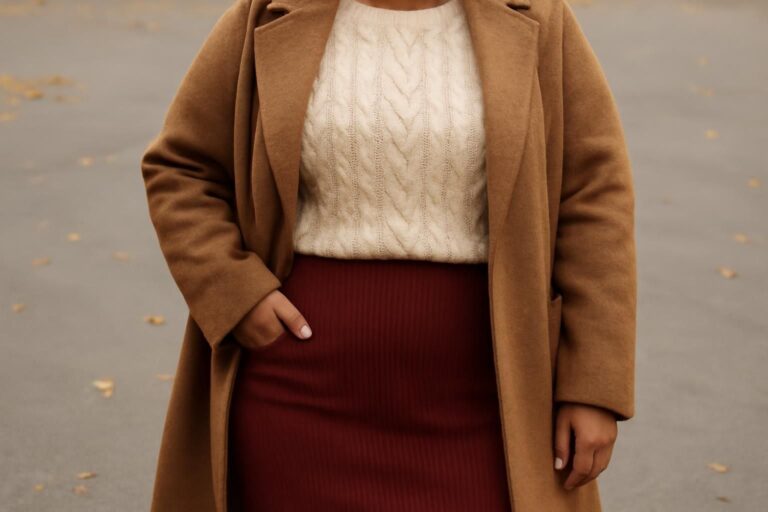
| Simple knit dress + light coat | Easy to pull off if the neckline is wide; the coat keeps you warm between appointments. | Winter appointments |
Two common pieces of advice sit alongside the table. First, skip anything you have to pull tightly over your head, such as a fitted turtleneck, if you have had your hair or makeup done. Second, tight waistbands and skinny jeans can leave temporary marks on the skin that show under fitted bodices, so softer waists are a better bet. If you need an easy outfit, a Button Front Wrap Dress on Amazon works for the appointment and for everyday wear after it.
Shoes
Shoes are the detail most people forget. According to David’s Bridal, heel height changes how the skirt falls, which means a gown tried on barefoot will look longer and pool on the floor, while one tried in tall heels may look shorter than it will on the day.
You do not need your actual wedding shoes yet. Bring a pair close to the height you expect to wear: block heels if you plan a mid heel, ballet flats or sandals if you plan to be close to the ground, and your tallest comfortable pair if you want height. Many salons have sample shoes, but bringing your own avoids guesswork. Kleinfeld lists heels as optional, so check with the salon you are visiting.
For the walk between appointments, slip-on styles are easiest. A comfortable pair of Slip On Block Heels on Amazon can double as the try-on pair if the height is right.
Hair, makeup and accessories
None of these are required, but a little planning helps. The points below are common styling advice rather than salon policy.
- Hair. If you have a hairstyle in mind for the wedding, wearing your hair roughly that way, or bringing clips to pin it up, gives a better sense of each neckline.
- Makeup. Light makeup lets you picture the overall look. Heavy foundation and bold lipstick can transfer onto gowns, and salons are protective of their samples, so keep it light.
- Jewelry. Bring a pair of earrings close to what you plan to wear if you would like to see the full picture, but leave anything that can snag lace or tulle at home.
- Fragrance and self-tan. Many shoppers skip these on the day, since both can mark delicate fabric.
What to bring in your bag
A small bag keeps you prepared without slowing you down. Common advice suggests packing:
- Your strapless or convertible bra if you are not already wearing it
- Shoes at your planned heel height
- Hair ties and a few clips
- Photos or screenshots of gowns you like, plus a few you know you do not like
- Your wedding date, venue type and a rough budget, since consultants usually ask
- Water and a snack for long days
- Your phone, if the salon allows photos (many have rules about this, so ask)
When to start shopping
Timing affects what you can choose from. The Knot suggests starting 9 to 12 months before the wedding. Its research found that brides in 2023 and 2024 began their search about 10 months out, first visited salons at about 8.5 months, and bought at around 7.5 months.
The reason for the lead time is production. The Knot notes that most gowns are made to order and that standard production takes about four to six months. Bridal designer Maggie Sottero similarly suggests starting about a year out, and points to its Quick Ship options for shorter engagements.
Fittings come later. According to The Knot, the first fitting usually happens about eight weeks before the wedding, and many brides have around three fittings in total, with the last one or two weeks before the date. Wear the same underwear and shoes to fittings that you plan to wear on the day, so the alterations match what you will actually have on.
On a shorter timeline, shopping off the rack, sample sales and secondhand gowns are worth a look. Our Thrift and Resale Fashion guides cover how to buy pre-owned clothing with confidence, and our Amazon Wedding Dresses roundup covers ready-to-ship options.
How bridal sizing and samples work
Bridal sizing surprises many shoppers. Kleinfeld Bridal explains that bridal sizes run smaller than street sizes: its example is that a street size 4 to 6 is roughly a bridal 8 to 10. That number is just a different scale, so try not to read anything into it.
Kleinfeld also explains how gowns are ordered. Designers do not make split sizes, so a gown is ordered according to the largest of your bust, waist and hip measurements, and then tailored to fit.
Samples are the dresses you try on in store. Kleinfeld stocks samples in bridal sizes 8, 10, 12, 18, 20 and 22, and has a wide selection in sizes 20 to 32. Other salons carry different ranges, so it is reasonable to ask which sample sizes they have before booking. If a sample does not fit perfectly, consultants often use clips to give you an idea of the shape. Our Plus Size Wedding Dresses guide covers shopping in extended sizes in more detail.
Who to bring, and how long it takes
Bridal sources often suggest bringing a small group of roughly two to four people, but there is no fixed number. The one verified figure here is Kleinfeld’s: a standard appointment allows up to three guests. Many other salons set their own limits, so check before inviting everyone.
Appointment length varies by salon. Many boutique FAQs mention appointments of roughly 60 to 120 minutes, often booked in 90-minute slots, but that is a common pattern rather than a rule. Ask when you book.
Your guests do not need a dress code, but comfortable shoes and a willingness to give honest, kind feedback help. If you have a parent or future in-law coming along who is also planning their own outfit, our guide to What Color Does the Mother of the Bride Wear? covers how the mothers often coordinate.
Planning the rest of the wedding wardrobe
Once the gown is chosen, the other outfits follow. Our guides to Bridal Shower Dresses and What to Wear to a Rehearsal Dinner cover the events before the day itself. If you are considering a smaller ceremony instead of a big gown, our guide to What to Wear to a Courthouse Wedding (Couple and Guests) covers outfits for city hall weddings, and our What to Wear to a Casual Wedding (Guests of All Genders) guide helps guests at relaxed celebrations.
Shop the look on Amazon
Everything you need to build a secondhand-style wardrobe, delivered. We may earn a commission on purchases.
Browse picks on Amazon →After the wedding, see our guide on where to sell a wedding dress.
FAQ
What should I wear to try on wedding dresses?
Wear clothes that are easy to remove, such as a button-front dress or a top with pull-on trousers, plus nude or seamless underwear and a strapless or convertible bra. David’s Bridal recommends both, and suggests bringing shoes close to your planned heel height.
Do I need to wear a strapless bra to a bridal appointment?
It is recommended but not always required. David’s Bridal suggests a strapless or convertible bra, while Kleinfeld Bridal lists a strapless bra as optional and underwear as the only required item.
Should I wear heels when trying on wedding dresses?
Bring shoes near the height you plan to wear on the day. Heel height changes how the skirt falls, according to David’s Bridal, so trying gowns at the wrong height gives a misleading picture of the length.
Can I wear shapewear to try on wedding dresses?
Yes, if you plan to wear it at the wedding. Kleinfeld Bridal lists shapewear as optional. If you do not plan to wear it on the day, there is no need to bring it.
How many people should I bring wedding dress shopping?
There is no fixed number. Bridal sources often suggest a small group of two to four, and Kleinfeld’s standard appointment allows up to three guests. Check your salon’s policy.
How far in advance should I shop for a wedding dress?
The Knot suggests 9 to 12 months before the wedding, because most gowns are made to order and standard production takes four to six months. Maggie Sottero suggests about a year, with quick-ship options for short engagements.
Why is my bridal size bigger than my usual size?
Bridal sizing runs smaller than street sizing. Kleinfeld’s example is that a street 4 to 6 is roughly a bridal 8 to 10. Gowns are ordered by your largest measurement and then tailored.
The short version
The best answer to what to wear wedding dress shopping is a simple one: easy-off clothes, nude or seamless underwear, a strapless or convertible bra, and shoes at roughly the heel height you plan to wear. Book with enough lead time for production and fittings, ask the salon about guest limits and sample sizes, and remember that the bridal size on the tag is a different scale from your everyday clothes. Get the basics right and the only thing left to think about is the dress.