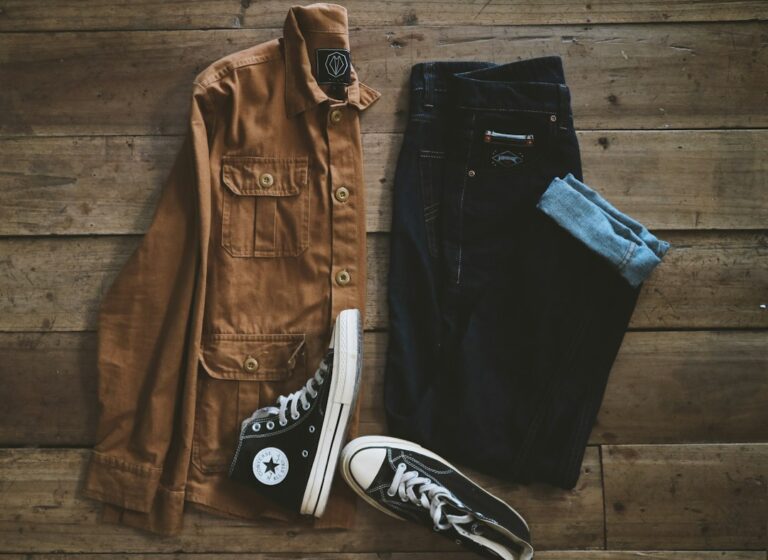
Twenty degrees Fahrenheit is well below freezing, so this is a day for full layers, a proper insulated coat and covered skin rather than a nice jacket and hope.
Working out what to wear in 20 degree weather starts with one fact: at 20°F (about −7°C) the air is below freezing, which means exposed skin can be at risk if the wind picks up and you stay out long enough. The answer is a warm base layer, an insulating mid layer, a wind-blocking coat, and hat, gloves and scarf every time. If your forecast is a little milder, our guide to What to Wear in 30 Degree Weather covers the next step up, and if snow is in the forecast too, see What to Wear in the Snow. Below you will find a layering formula table, outfits for work, weekends and evenings, the National Weather Service facts on wind chill and frostbite, fabric notes and shoes.
Quick answer
For 20 degree weather, wear a thermal or merino base layer, a sweater or fleece, and an insulated, hooded coat that blocks wind. Add warm trousers (lined or over leggings), wool socks, insulated boots, a hat, a scarf and mittens or insulated gloves. The National Weather Service advises: “Wear layers of loose-fitting, lightweight, warm clothing. Remove layers to avoid overheating, perspiration and subsequent chill.” It also suggests you “dress for the outdoors even if you don’t think you’ll be out much,” which is worth remembering for a short drive or a quick errand.
The layering formula for 20°F
REI’s layering advice uses three layers, each with a job: a base layer that wicks sweat, a mid layer that insulates (fleece or a puffy) and an outer shell that blocks wind and rain. At 20°F all three layers matter, and the table below shows how they fit together for different plans.
| Plan | Base | Mid | Outer | Bottoms and feet |
|---|---|---|---|---|
| Commute and office | Merino or thermal long sleeve | Wool sweater or cardigan | Long insulated or wool coat with a hood or hat | Lined trousers, wool socks, insulated boots |
| Weekend errands | Thermal top | Fleece or chunky sweater | Puffer jacket or parka | Jeans over thermal leggings, snow boots |
| Evening out | Fitted thermal or turtleneck | Sweater dress or knit | Long wool or puffer coat | Fleece-lined tights, tall boots |
| Long time outdoors | Wicking synthetic or merino | Fleece plus insulated vest | Hooded, wind- and water-resistant parka | Insulated trousers, insulated boots, mittens |
Thermal sets are the cheapest upgrade most people can make. Our Thermal Underwear guide covers the options, and Merino Base Layers explains why many people prefer wool next to the skin.
Wind chill and frostbite: the NWS facts
The National Weather Service defines wind chill as how cold people feel outside, based on how fast exposed skin loses heat to wind and cold. Using the NWS wind chill formula, our own calculation puts 20°F with a 10 mph wind at about 9°F, and with a 15 mph wind at about 6°F. So a breezy 20-degree day can feel close to single digits.
The NWS also notes that frostbite on exposed skin requires an actual air temperature below freezing. At 20°F that condition is met, so covering skin matters. For scale, the NWS wind chill chart shows that at 0°F with a 15 mph wind, the wind chill is −19°F and exposed skin can freeze in 30 minutes. A 20°F day is milder than that, but the direction is clear: more wind and more time outside raise the risk. NWS Duluth lists the warning signs as loss of feeling and a white or pale appearance in fingers, toes, earlobes or the tip of the nose.
Outfits for 20 degree weather
Work
Start with a merino or thermal long sleeve under a wool sweater, then lined trousers or a wool skirt with fleece-lined tights. Over the top, a long wool or insulated coat that covers the hips keeps the commute comfortable. Wear insulated boots on the way in and keep office shoes at your desk if your workplace allows it. Our Women’s Winter Coats guide compares coat types.
Weekend
Jeans over thermal leggings, a fleece or chunky knit, and a puffer jacket with a hood make an easy formula for errands, a market or a walk. Add a beanie, a scarf and waterproof boots with grip. For more ideas, see Winter Outfits for Women.
Evening
A sweater dress with fleece-lined tights and knee boots works for dinner, with a long coat and a wool scarf over the top. A turtleneck under a blazer with wool trousers is another option. Keep gloves and a hat in your bag for the walk between car, train and door.
Fabrics that work below freezing
- Merino wool: Woolmark says merino absorbs moisture vapour and releases it into the air, which helps as a base layer when you move between cold streets and warm rooms.
- Fleece: REI lists fleece among insulating mid layers. It is light, warm and easy to find secondhand.
- Down or synthetic insulation: the core of most puffer coats and parkas, and a common choice for 20°F days.
- Cotton: NWS Duluth advises avoiding cotton during strenuous activity because it holds moisture and loses insulation when wet. Shovelling snow counts.
- Outer layer: NWS Duluth recommends a tightly woven, water-resistant outer layer with a hood.
Hat, gloves and scarf
At 20°F, accessories are part of the outfit rather than extras. NWS Duluth notes that mittens insulate better than gloves, so mittens are worth having for long stretches outdoors; liner gloves under mittens let you use a phone without fully exposing your hands. Browse Women Insulated Mittens on Amazon or read our Women’s Winter Gloves guide. A hat is sensible in this cold. The often-repeated idea that most body heat leaves through the head was debunked in a 2008 BMJ paper, which put the figure at about 10%, but covering ears and forehead still matters for comfort. A wool scarf covers the neck and can be pulled over the nose and cheeks in wind; our Winter Scarves guide covers fabrics.
Shoes for 20 degree weather
Insulated, waterproof boots with a grippy sole are the safest choice, since 20°F often comes with ice or old snow on pavements. Pair them with wool or wool-blend socks, and avoid squeezing a thick sock into a tight boot, which can leave toes colder. See Women’s Winter Boots for styles, or browse Women Insulated Waterproof Winter Boots on Amazon. For base layers, Women Thermal Base Layer Set on Amazon is a useful search.
Top-selling match on Amazon

- Cold-Weather Ready: With a fabric weight of 235 GSM, this heavyweight thermal set for women is perfect…
- Warmth In Motion: Designed to keep up with you on the go, this womens thermal shirt and leggings set…
- Versatile Winter Wear: Whether you're layering up for a winter walk, bundling under outerwear, or lounging…
Top-selling match on Amazon

- Waterproof: Stay dry in any weather with these waterproof seam-sealed membrane bootie…
- Traction: Walk with confidence on slippery surfaces with these traction-enhanced snow boots…
- Comfort: These snow boots feature moisture-wicking fleece lining and a cushioned footbed for…
Thrift your cold-weather layers
Wool coats, sweaters, fleece and puffers are staples on thrift racks, especially in late autumn. Check fibre labels for wool and merino, look at cuffs and underarms for wear, test zips and snaps, and check that down coats do not have flat, empty baffles. A secondhand wool coat plus a new thermal set can cover most 20-degree days for a modest budget.
Shop the look on Amazon
Everything you need to build a secondhand-style wardrobe, delivered. We may earn a commission on purchases.
FAQ
Is 20 degrees cold enough for frostbite?
The NWS says frostbite on exposed skin needs an air temperature below freezing, and 20°F is below freezing. Risk rises with wind and time outdoors, so cover skin and watch for numbness or pale patches.
Do I need a parka at 20 degrees?
Not always. A wool coat over a thermal and a sweater can be enough for short trips. For long periods outdoors or windy days, an insulated, hooded parka is the more comfortable choice.
Can I wear a dress in 20 degree weather?
Yes, with fleece-lined tights, tall boots, a thermal top or knit, and a long coat. Keep a hat, scarf and gloves on for any time outside.
What should I wear to run in 20 degree weather?
A wicking synthetic or merino base layer, a light insulating layer, a wind shell, running tights, a hat and gloves. Avoid cotton, which stays wet. Check the wind chill before you head out.
Are jeans warm enough for 20 degree weather?
Jeans on their own are usually not warm enough for 20 degree weather, but they work over thermal leggings for errands and short trips. Denim is cotton, which loses insulation when wet, so for shovelling snow or long stretches outdoors, insulated trousers are the warmer choice. Pair the jeans and thermals with wool socks, insulated waterproof boots and a coat that covers the hips.