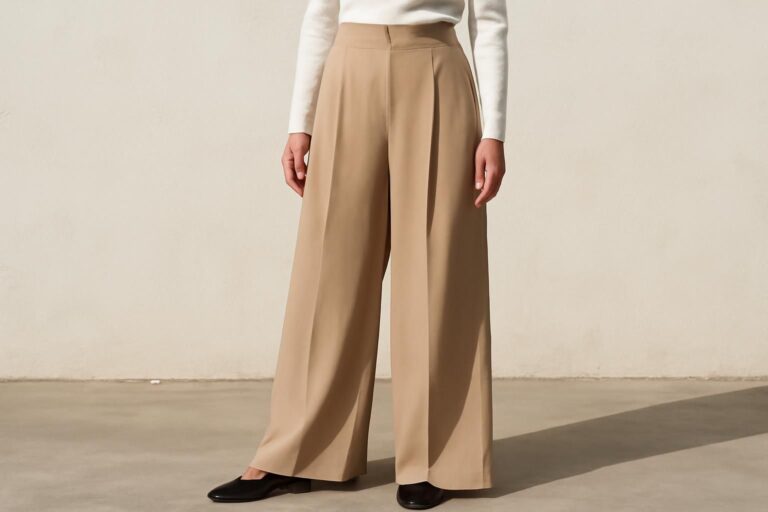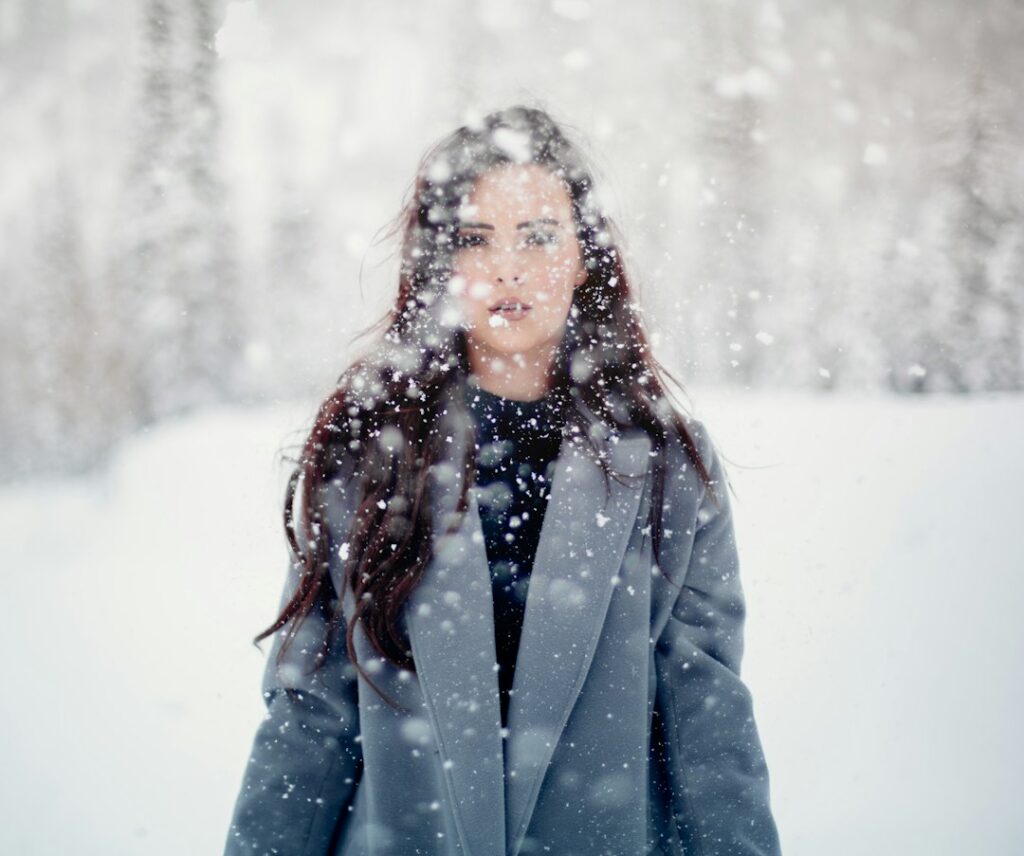
Thirty degrees Fahrenheit is just below freezing. Puddles ice over, wind bites, and the outfit that worked at 45°F is no longer enough. This is proper coat, hat and gloves weather.
Working out what to wear in 30 degree weather starts with one fact: at 30°F (about −1°C) the air is below freezing, so everything from your coat to your shoes needs to handle real cold, and possibly ice or snow. The good news is that a simple three-layer system covers most days. This guide walks through freezing weather outfits for different plans, how wind changes the picture, what the National Weather Service says about frostbite, and the fabrics, boots and accessories that matter most. For slightly milder days, see our What to Wear in 40 Degree Weather guide; for the full temperature ladder, start at What to Wear in 50-Degree Weather.
Layer like you mean it
REI’s layering advice uses three layers: a base layer that wicks sweat, a mid layer that insulates (fleece, an insulated vest or a puffy) and an outer shell that blocks wind and rain. At 30°F, all three usually earn their place. The National Weather Service adds that loose, lightweight layers trap air, and recommends a tightly woven, water-resistant outer layer with a hood.
- Base: a thermal top or merino long sleeve. Add thermal leggings under jeans or trousers if you will be outside for long. Our Thermal Underwear guide covers options.
- Mid: a wool sweater, fleece or light puffer vest.
- Outer: an insulated, hooded coat, such as a down or synthetic puffer, a parka, or a heavy wool coat for short city trips.
30 degree weather outfit formulas
| Plan | Base | Mid | Outer | Bottoms and shoes | Accessories |
|---|---|---|---|---|---|
| Commute and office | Merino long sleeve | Wool sweater or blazer | Long wool coat or long puffer | Lined trousers, waterproof ankle boots | Scarf, gloves, hat |
| Errands | Thermal top | Fleece | Hooded puffer | Jeans, insulated boots | Beanie, mittens |
| Snowy day | Thermal top and leggings | Fleece or wool sweater | Water-resistant hooded parka | Snow boots, wool socks | Mittens, hat, scarf |
| Dinner out | Fitted long sleeve | Sweater dress or knit | Long wool coat | Fleece-lined tights, heeled boots with grip | Wool scarf, leather gloves |
| Outdoor walk or run | Wicking synthetic or merino | Light fleece | Wind-resistant shell | Thermal tights, trail shoes | Gloves, headband or hat |
| Watching an outdoor game | Thermal top and leggings | Chunky sweater plus vest | Long, insulated parka | Insulated boots, wool socks | Mittens, hat, blanket scarf |
If you are building a cold-weather wardrobe from scratch, our Winter Capsule Wardrobe lists the pieces that cover most of these outfits. For dressier evenings, see Winter Date Night Outfits.
Wind chill and frostbite
The National Weather Service defines wind chill as how cold people feel outside, based on how quickly exposed skin loses heat to wind and cold. Using the NWS formula, a 15 mph wind makes 30°F feel like about 19°F (our own calculation). That is a big drop, and it is why a windproof outer layer and a scarf over the lower face matter on breezy days.
Because 30°F is below freezing, it meets the condition the NWS gives for frostbite on exposed skin: an actual air temperature below freezing, not just a wind chill below freezing. The NWS frostbite-timing examples are for much colder conditions, such as exposed skin freezing in 30 minutes at a wind chill of about −19°F, so ordinary errands at 30°F are a comfort question for most people. For long stretches outside, though, cover exposed skin and know the warning signs the NWS lists: loss of feeling and a white or pale appearance in fingers, toes, earlobes or the tip of the nose.
Fabric notes
- Wool and merino: warm, breathable and odour-resistant, according to Woolmark. Great for base layers, sweaters and socks.
- Fleece: REI lists it among mid-layer insulators; light and quick to dry.
- Down or synthetic insulation: the warmest outer option for its weight.
- Cotton: the NWS advises avoiding cotton during strenuous activity because it holds moisture and loses insulation when wet. Jeans are fine for short trips; for long outdoor time, add thermal leggings underneath or switch to lined trousers.
Accessories matter most
At 30°F, accessories do a lot of the work. Hats, gloves and a scarf make a big comfort difference because extremities chill first; that is common advice rather than a measured figure. A hat is worth wearing, though the idea that most heat leaves through the head is a myth: a 2008 BMJ paper estimated only about 10%.
- Mittens: the NWS notes that mittens insulate better than gloves. Browse Insulated Mittens Women on Amazon for warm options.
- Hat: a wool or fleece-lined beanie that covers the ears.
- Scarf: one long enough to wrap and cover the lower face on windy days. Our How to Tie a Scarf guide shows warm knots.
- Socks: wool or wool-blend, with room in the boot so circulation is not cut off.
Boots and traction
Freezing temperatures mean ice. Choose boots with a lug or rubber sole for grip, water resistance for slush, and room for a thick sock. Our Women’s Snow Boots guide compares insulated styles, and you can browse Women Insulated Waterproof Snow Boots on Amazon by warmth rating.
Thrifting cold-weather layers
Parkas, wool coats, fleeces and snow boots all turn up secondhand, often at a fraction of new prices. Check coat zips and linings, look for flattened or clumped insulation in puffers, check knits for moth holes, and look at boot soles for wear and cracking.
Shop the look on Amazon
Everything you need to build a secondhand-style wardrobe, delivered. We may earn a commission on purchases.
Browse picks on Amazon →FAQ
Is 30 degrees Fahrenheit below freezing?
Yes. Water freezes at 32°F, so 30°F is just below freezing.
Do I need thermals in 30 degree weather?
For short trips, a sweater and warm coat may be enough. For long outdoor time, a thermal base layer helps.
Can I wear jeans in 30 degree weather?
Yes, for everyday wear. Add thermal leggings underneath if you will be outside for long, since cotton loses insulation when wet.
What coat should I wear at 30 degrees?
An insulated, hooded coat such as a puffer or parka, or a heavy wool coat for short city trips.
Does what to wear in 30 degree weather change if it means 30 degrees Celsius?
Completely, because 30 degrees Celsius is hot summer weather, while 30 degrees Fahrenheit is just below freezing and calls for a coat, hat and gloves. For 30°C, the layering system is replaced by loose, light, breathable clothing such as linen or cotton, plus sun protection. The freezing-weather advice on this page applies only to 30°F, roughly −1°C, so check which scale your forecast uses.
Colder & Wetter
20 degree days, snow and Iceland.