Taffeta is the fabric that holds a full skirt out on its own and whispers when you walk, which is why it keeps returning to prom, wedding and holiday party wear.
What is taffeta? It is a crisp, tightly woven plain-weave fabric made from smooth filament yarns such as silk, acetate or rayon. It has body and a soft sheen, so it is popular for formal dresses, skirts and linings. This guide sits within our Types of Fabric hub and covers where the word comes from, how taffeta fabric is made, how it compares with similar fabrics, how to wear a taffeta dress, and how to care for and thrift it.
Quick answer: Taffeta is a crisp, tightly woven plain-weave fabric, usually with very fine horizontal ribs, made of filament yarns such as silk, acetate or rayon. Silk taffeta makes a distinctive rustle called “scroop.” The word traces back to Persian taftah.
Where the word comes from
According to Etymonline, “taffeta” has been in English since the mid-14th century, when it meant a “fine, smooth, lustrous, costly silk cloth.” It came through Old French taffetas, from Italian taffeta or Medieval Latin taffata, and ultimately from Persian taftah, from taftan, “to twist, spin, weave, interlace.” The name has always meant something woven with care.
How taffeta is made
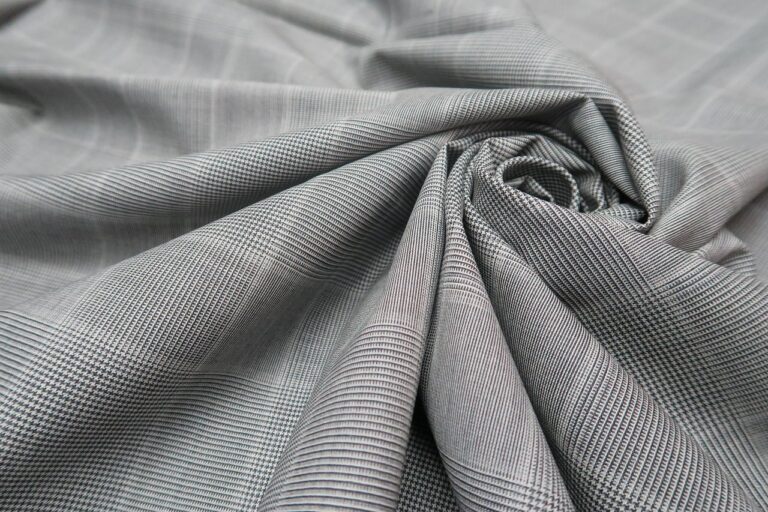
The Vintage Fashion Guild describes taffeta as “a crisp, tightly-woven plain weave fabric usually with very fine horizontal ribs,” made of filament yarns (silk, acetate or rayon), “sometimes with staple yarn filling.” Plain weave is the simplest over-under structure. What makes taffeta different is how tightly it is packed and the smooth, continuous filaments it uses, which give it stiffness and a gentle shine.
Silk taffeta is known for its sound. The VFG notes that silk taffeta makes a characteristic rustle when it moves, called “scroop.” Britannica also mentions “chiffon taffeta,” where “chiffon” is used as a modifier for lighter, draping versions.
Taffeta vs similar formal fabrics
| Fabric | Weave | Feel | Best for |
|---|---|---|---|
| Taffeta | Tight plain weave, fine ribs | Crisp, structured, rustles | Full skirts, ball gowns, bows |
| Satin | Satin weave | Smooth, high shine, drapes | Slip dresses, gowns, linings |
| Organza | Sheer plain weave | Crisp and see-through | Overlays, sleeves |
| Chiffon | Sheer plain weave | Soft, floaty | Flowing dresses, scarves |
For the others, see our explainers on Satin vs Silk, What Is Organza? Sheer, Crisp Fabric Explained and What Is Chiffon? Sheer Fabric, Fibers and Care. If you like the crisp feel but want a pattern, What Is Brocade? Woven Raised Patterns Explained and What Is Damask? Reversible Woven Patterns are woven alternatives.
Feel and performance
| Pros | Cons |
|---|---|
| Holds volume in skirts and sleeves without much support | Creases and can show crush marks |
| Soft sheen that reads formal | Little stretch or drape |
| Silk taffeta has its signature “scroop” | Many pieces are dry clean only |
| Widely available in acetate and polyester at lower prices | Not very breathable in synthetic versions |
How to wear a taffeta dress
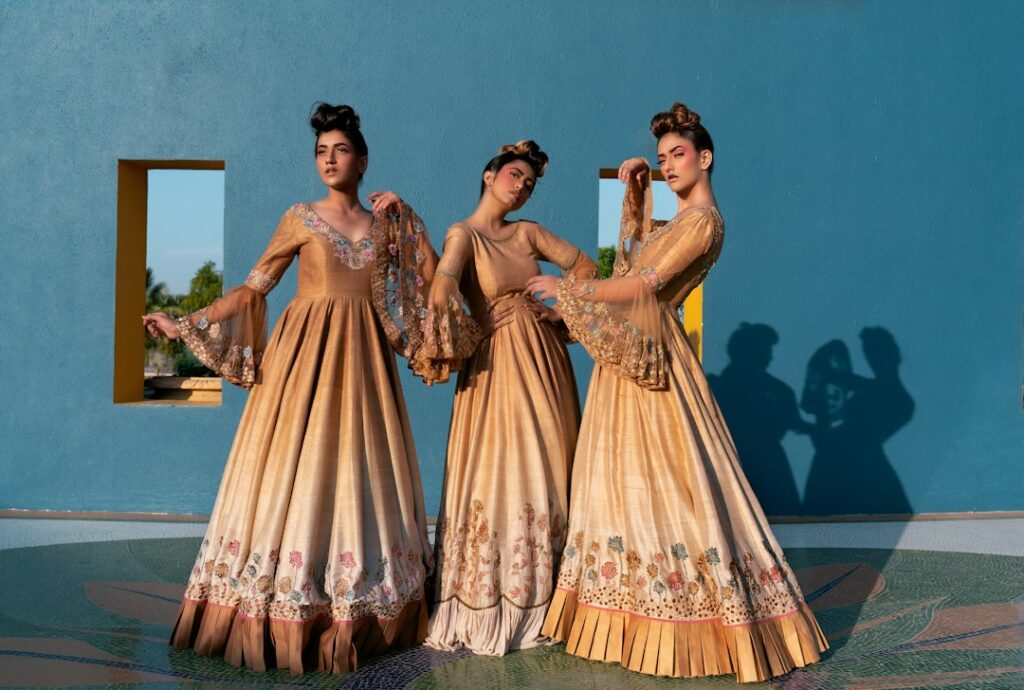
Taffeta has structure, so it suits shapes that use it: full midi skirts, A-line gowns, puff sleeves, bows and peplums. A few common styling ideas:
- Formal events: a floor-length taffeta gown fits black-tie-optional and formal invitations. See Prom Dresses and Winter Formal Dresses for more. Browse Taffeta Dress Women Formal on Amazon for current options.
- Holiday parties: a taffeta midi in a jewel tone or black works for Holiday Party Attire. Keep jewellery simple so the sheen leads.
- Weddings: taffeta suits fall and winter weddings well. As always, the invitation’s dress code comes first.
- Taffeta skirt: dress one down with a fine knit or a crisp shirt for a less formal look. A Taffeta Midi Skirt on Amazon is a versatile starting piece.
Similar style on Amazon

- Breathable Chiffon Fabric: Crafted from soft, lightweight chiffon that offers stretch, comfort. The matching…
- A Worry-Free Midi Skirt: Low heat iron, no bleach,machine washable for effortless care. Designed to maintain…
How to care for taffeta
Taffeta’s crispness is easy to damage, and many taffeta garments are labelled dry clean only. The FTC Care Labeling Rule requires labels to say whether to wash by hand or machine and to give a water temperature if hot water would harm the item, so read it before anything else.
- Dry clean only: take it to a professional cleaner.
- Silk taffeta: avoid enzyme detergents and chlorine bleach. The Smithsonian Museum Conservation Institute says protein fibres “can be damaged by protein enzymes or alkali,” that chlorine bleach “will dissolve silk or wool,” and that wet silk tears more readily. See our How to Wash Silk Without Ruining It guide.
- Acetate and rayon taffeta: follow the label closely; our What Is Acetate Fabric? Linings, Satin and Care explainer covers that fibre.
- Spot cleaning: test any method on a hidden area first, and do not machine-dry a stained piece.
- Ironing: per ISO 3758 care symbols, one dot is about 110 °C (synthetics, silk). Use a low setting on the reverse with a press cloth, a common method, and follow the label first.
- Storage: hang full skirts with space around them, or fill folds with acid-free tissue to limit crushing.
Thrifting taffeta: what to check
- Fibre label. Silk, acetate, rayon and polyester taffeta all look similar but need different care.
- Crush and fold lines. Hold the fabric to the light; deep creases in old taffeta may be weak points.
- Water spots and underarm marks, which are common on vintage formalwear.
- Seams and zips. Tight weaves can fray at stressed seams.
- The rustle. A crisp sound when the fabric moves is typical of silk taffeta, though synthetics can rustle too, so trust the label.
Thrift stores are a good source of vintage taffeta formals; our Thrift Store Prom Dresses guide has more on finding them.
Shop the look on Amazon
Everything you need to build a secondhand-style wardrobe, delivered. We may earn a commission on purchases.
FAQ
What is taffeta made of?
The Vintage Fashion Guild says taffeta is made of filament yarns such as silk, acetate or rayon, sometimes with a staple-yarn filling.
Why does taffeta rustle?
Silk taffeta makes a characteristic sound when it moves, known as “scroop,” per the VFG.
Is taffeta the same as satin?
No. Taffeta is a crisp plain weave with a soft sheen, while satin is a satin weave with a smoother, higher shine and more drape.
Can you wash a taffeta dress at home?
Only if the care label allows it. Many taffeta dresses are dry clean only, so follow the label closely.
Where does the word taffeta come from?
Etymonline traces it through Old French and Italian back to Persian taftah, from taftan, “to twist, spin, weave, interlace.”