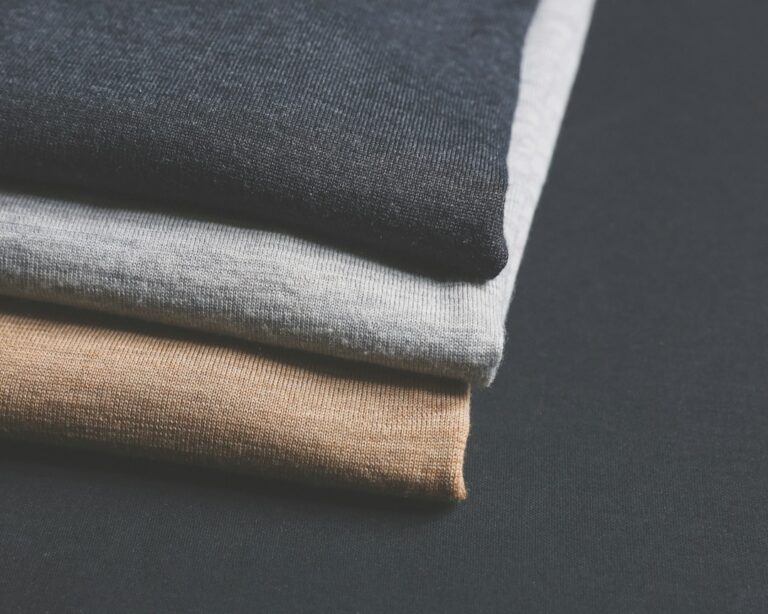
Sateen has the soft sheen of satin but is usually made from cotton, which changes how it feels, how it wears and how you look after it.
What is sateen, and why does it sit so close to satin on shop labels? The short version: sateen is a fabric made using the satin weave, but from cotton or cotton-blend yarns instead of the silk or filament fibres traditionally used for satin. That one difference explains its matte-to-glossy glow, its slightly heavier hand and its easier care. If you want the bigger picture on fibre versus weave first, our Satin vs Silk guide explains why satin is a construction and silk is a fibre. This guide covers how sateen is made, how it compares with satin, what it is used for, how to care for it and what to check when you spot it on a thrift rack.
Quick answer: Sateen is a cotton (sometimes cotton-blend) fabric woven in a tight satin weave with floating threads, which gives it a smooth, lustrous face. The Vintage Fashion Guild describes the name as “the diminutive of satin.” Satin is traditionally silk, while sateen is cotton.
What sateen is
The Vintage Fashion Guild (VFG), a long-running reference for vintage textiles, says the name sateen “means the diminutive of satin, which is traditionally made of silk, while sateen is made of cotton, sometimes a cotton blend.” In other words, sateen borrows satin’s structure and applies it to a plant fibre.
The word itself is fairly young. Etymonline dates sateen to 1835, defining it as a “fabric having a glossy surface resembling satin,” a variant of satin “perhaps influenced by velveteen.” The velveteen link makes sense: Britannica describes velveteen as usually cotton and resembling velvet, and sateen plays a similar role next to satin.
How the sateen weave works
Britannica describes satin as “any fabric constructed by the satin weave method, one of the three basic textile weaves.” The other two are plain weave and twill (see our What Is Twill? The Diagonal Weave Behind Jeans and Chinos explainer for the diagonal one). Satin weave lets threads “float” over several crossing threads before dipping under one, so more of each yarn’s length lies on the surface. Those long floats reflect light, which is where the sheen comes from.
According to the VFG, sateen is made with a tight satin weave with floating threads, which gives it a look somewhere between satin and twill. The VFG adds that high-quality sateen uses combed, mercerised cotton for its gloss. In general textile usage, combing removes shorter fibres and mercerising is a finishing treatment for cotton yarn or cloth; both are associated with a smoother, shinier surface.
Because the floats sit on one side, sateen has a clear face and back: the face is smooth and glossy, while the reverse looks more matte and dull. That is a quick way to tell it apart from plain-woven cottons such as What Is Poplin? The Crisp Shirting Fabric Explained, which look much the same on both sides.
Sateen vs satin
The difference is mostly about fibre, not structure. Both use the satin weave. Satin, in its traditional form, uses silk (and today often polyester or other filament fibres), while sateen uses cotton or cotton blends, per the VFG. The trade-offs below summarise what that tends to mean in practice. Treat it as general guidance; the exact feel depends on the yarn, finish and weight.
| Feature | Sateen | Satin |
|---|---|---|
| Weave | Satin weave | Satin weave |
| Typical fibre | Cotton or cotton blend (VFG) | Traditionally silk; now often polyester or other filaments |
| Sheen | Softer, lower-key glow | Usually brighter and more liquid |
| Hand | Slightly heavier, more matte cotton feel | Slippery and smooth |
| Care | Follows cotton care, per the label | Follows the fibre: silk and polyester differ |
| Trade-off | Long floats can snag; may wrinkle like cotton | Floats snag too; silk versions need gentler care |
Neither is better across the board. Sateen suits people who want a soft shine in a cotton fabric they can usually launder at home. Satin suits evening clothes where a high gloss and fluid drape matter more. For a broader comparison of weaves and fibres, the Types of Fabric guide puts them side by side.
What sateen is used for
The VFG lists dresses, skirts, jackets and home décor as typical uses, often printed with florals or left a solid colour. In clothing, a cotton sateen skirt or trouser has more body than a slinky satin one, which is why it shows up in tailored summer pieces and shirt-dresses. A common styling approach is to treat sateen as a smart-casual fabric: a sateen trouser with a knit top, or a printed sateen dress with flat sandals, reads polished without looking formal.
If you are shopping new, searching for Cotton Sateen Trousers Women on Amazon or Cotton Sateen Midi Skirt on Amazon brings up the most common garment types. Check the fibre content in the listing, because “sateen” is sometimes used loosely for polyester satin.
Top-selling match on Amazon

- Looking for a lightweight skirt that stays cool and comfortable in warm weather? This midi…
- Designed with a relaxed A-line silhouette, this flowy skirt creates beautiful movement while…
How to care for sateen
Satin is a weave, so care follows the fibre. With cotton sateen, that usually means cotton care, but the garment’s label always comes first. Under the FTC Care Labeling Rule, a US care label must say whether to wash by hand or machine and give a water temperature if regular hot water would harm the item.
- Read the care label and follow its washing method and temperature.
- Turn the garment inside out to protect the glossy face from rubbing (a common method).
- Wash cool with similar colours; cotton can shrink a few percent, so cool water and low heat are a common precaution.
- Skip chlorine bleach unless the label allows it; the Smithsonian’s Museum Conservation Institute notes repeated chlorine bleach yellows and weakens cotton over time.
- Dry on low or air-dry, and remove from the dryer while slightly damp.
- Iron on the reverse side at the setting the label shows. The ISO/GINETEX dot system puts three dots at about 200 °C for cotton, but a blend may carry fewer dots.
Ironing the back helps avoid a shiny pressed look on the face. Long floats can catch on jewellery, zips and Velcro, so close fastenings before washing.
Thrifting sateen: what to check
- The fibre label. Look for cotton or a cotton blend. A glossy fabric labelled 100% polyester is satin, not sateen, whatever the tag says.
- Face and back. Sateen should be glossy on one side and duller on the other.
- Snags and pulled floats. Check the seat, hips and cuffs for pulled threads, which are hard to fix on a satin weave.
- Shine marks. Old pressing can leave shiny patches; these rarely wash out.
- Fading. Printed sateen can fade along fold lines. Look at the garment in daylight if you can.
Vintage sateen dresses and skirts with floral prints are a classic find. Treat older pieces gently on the first wash, and if the label is missing, a cool hand wash is the cautious choice.
Shop the look on Amazon
Everything you need to build a secondhand-style wardrobe, delivered. We may earn a commission on purchases.
FAQ
Is sateen the same as satin?
No. Both use the satin weave, but satin is traditionally silk (now often polyester), while sateen is cotton or a cotton blend, according to the Vintage Fashion Guild.
Is cotton sateen shiny?
It has a soft sheen on the face side. The VFG notes that high-quality sateen uses combed, mercerised cotton for its gloss, so the shine varies by quality.
Does sateen wrinkle?
Cotton fabrics generally crease, and sateen is no exception, though the tight weave gives it some body. Steaming or ironing on the reverse is a common method for smoothing it.
Is sateen a weave or a fabric?
Both terms get used. Strictly, the weave is the satin weave; “sateen” names the cotton fabric made with it. Shoppers comparing it with other woven cottons such as What Is Gingham? The Checked Cotton Explained will notice sateen is the only one of the two with a one-sided sheen.
For a crisper formal fabric made in a plain weave instead, see our What Is Taffeta? Crisp Fabric for Formal Wear guide, or browse Sateen Shirt Dress on Amazon for everyday options.
What is the difference between sateen and percale?
Sateen is cotton woven in a satin weave, which gives it a smooth, glossy face, while percale is cotton woven in a tight plain weave, which gives it a crisp, matte feel. Because sateen’s long floats sit on the surface, it feels silkier and drapes more but can snag more easily. Percale’s over-under structure looks the same on both sides and tends to feel cooler and crisper, which is why people choose between them by preferred feel.