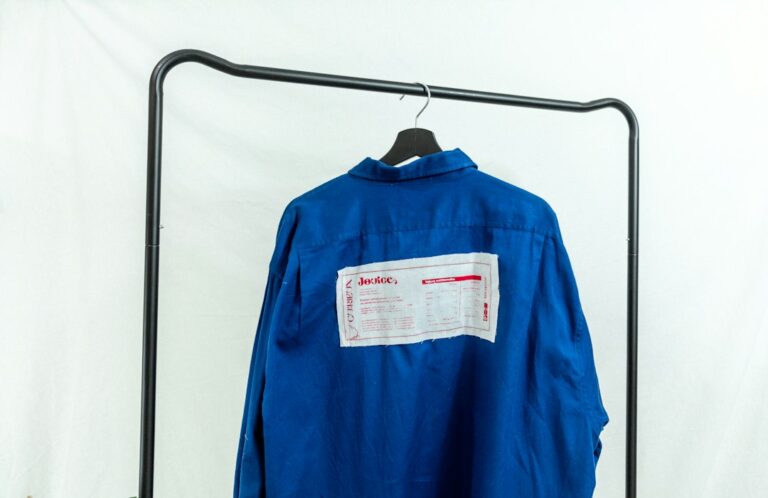
Muslin is one of the simplest cotton fabrics there is, yet it has one of the longest stories, from the workshops of Dhaka to the sewing rooms where designers test new patterns.
What is muslin? Britannica defines it as plain-woven cotton made in various weights, from fine and airy to sturdy. It is a weave and finish of cotton rather than a separate fiber, so its character depends heavily on the cotton used. Our guide to What Is Pima Cotton? Pima vs Egyptian vs Regular Cotton explains how cotton fibers themselves differ, from long-staple pima to everyday Upland cotton. This explainer covers how muslin fabric is made, its grades, muslin history, how muslin compares with other cotton fabrics, and how to care for it.
Quick answer: Muslin is a plain-woven cotton fabric made in various weights, according to Britannica, with grades including book, mull, swiss and sheeting. Britannica says the name comes from Mosul, in what is now Iraq, where it was first made.
How muslin is made
Muslin uses the plain weave, which Britannica describes as the simplest and most common of the three basic weaves. In a plain weave, each filling (crosswise) yarn passes over and under each warp (lengthwise) yarn in turn, creating a balanced, checkerboard-like structure. That simple interlacing is why muslin can be made light and open or heavier and firmer, depending on the yarn and how closely it is woven.
Plain weave is also the base for other familiar cottons. Our guides to What Is Poplin? The Crisp Shirting Fabric Explained and What Is Chambray? Chambray vs Denim cover two more fabrics built on simple weaves, while What Is Twill? The Diagonal Weave Behind Jeans and Chinos explains the diagonal weave used in denim.
Grades of muslin
Britannica lists several grades, including book, mull, swiss and sheeting. The names reflect the different weights and finishes muslin has been made in, from very fine dress fabric to heavier cloth for household use. Shops and sewing suppliers today often simply describe muslin by weight or as bleached or unbleached.
Muslin history: from Mosul to Dhaka
According to Britannica, muslin was first made in Mosul, which gave the fabric its name. Indian muslins reached Europe in the 17th century, and the fabric was later made in Scotland and England as well.
The most celebrated historical muslins came from Dhaka, in Bengal. Britannica notes that in Mughal India, between the 16th and 18th centuries, the fine muslins of Dhaka were sometimes printed or painted. The Victoria and Albert Museum (V&A) holds lengths of Dhaka muslin dating from about 1855, including “mul-mul khas,” which the museum notes as the finest grade. The V&A records that these lengths were transferred from the India Museum in 1879.
Those museum pieces are a reminder that “muslin” once described some of the most refined cotton cloth in the world, not only the plain, practical fabric many people know today.
Muslin vs cotton
This is a common question, and the short answer is that muslin is cotton. “Cotton” names the fiber; “muslin” names a plain-woven fabric made from it. Comparing them is a bit like comparing denim with cotton. A better comparison is muslin against other cotton fabrics:
| Fabric | Weave | Typical feel and use |
|---|---|---|
| Muslin | Plain weave (Britannica) | Light to medium; dresses, linings, pattern mock-ups, household cloth |
| Poplin | Plain weave with crosswise ribs (Merriam-Webster) | Crisp, smooth shirting |
| Chambray | Colored warp, white filling (Merriam-Webster) | Light shirting with a denim-like look |
| Denim | Twill (Britannica) | Durable, heavier; jeans and jackets |
Muslin also sits close to other lightweight warm-weather cottons. Our guide to What Is Seersucker? The Puckered Summer Fabric covers a striped, slightly puckered summer fabric, and What Is Jacquard? Woven Patterns Explained explains how far more complex woven patterns are made on a loom controlled by punched cards.
For the bigger fiber question, our guide to Cotton vs Polyester compares cotton with the most common synthetic.
Pros and cons of muslin
- Pro: simple and versatile. The plain weave makes it suitable for everything from summer clothing to sewing practice.
- Pro: affordable in basic grades. Unbleached sewing muslin is one of the cheaper cotton fabrics in many fabric stores, a general shopping observation.
- Con: wrinkles easily. Like most plain-woven cotton, it creases with wear.
- Con: can shrink. Cotton can shrink with heat, so pre-washing fabric before sewing is a common method.
How to care for muslin
- Follow the care label on finished garments.
- Pre-wash yardage before cutting if you plan to sew it, a common method to deal with shrinkage early.
- Wash in cool to warm water with a mild detergent, a common method for cotton.
- Line dry or tumble dry on low if the label allows. Our guide on How to Prevent Clothes From Shrinking in the Wash explains why high heat is the main risk.
- Iron while slightly damp. According to the widely used ISO laundry symbols, three dots on the iron symbol means a hot setting of about 200°C for cotton and linen, but follow the label first.
No iron to hand? Our guide on How to Get Wrinkles Out of Clothes Without an Iron covers steam and other quick fixes. The Smithsonian Museum Conservation Institute notes that repeated chlorine bleach use yellows and weakens cotton over time, so use it sparingly and never mix it with other cleaners; US Poison Control is 1-800-222-1222.
Thrifting and shopping for muslin
Lightweight cotton dresses, blouses and nightwear in thrift stores are often muslin or similar plain weaves, even if the label only says “100% cotton.” Check for thin spots by holding the piece to the light, look for yellowing along folds, and check seams for strain. Sewers can also find muslin yardage at estate sales and in thrift craft sections. To buy new, browse Unbleached Muslin Fabric on Amazon or Womens Cotton Muslin Shirt on Amazon.
Top-selling match on Amazon

- Variety Color Option Tops: Available in a slew of colors and patterns: black, white, pink, blue, light khaki…
- Versatile Camp Shirts: They go with jeans, cropped pants, shorts (or skorts). Perfect for workdays, weekend…
- Laundry Wash Care: HAND WASH OR MACHINE WASH ON A LOW TEMPERATURE(cold or lukewarm) with a mild…
Frequently asked questions
Is muslin 100% cotton?
Britannica defines muslin as plain-woven cotton. Some modern fabrics sold as muslin may be blends, so check the fiber content label.
Where does the word muslin come from?
Britannica says it comes from Mosul, now in Iraq, where the fabric was first made.
What was Dhaka muslin?
Dhaka, in Bengal, produced famously fine muslins. Britannica notes that in Mughal India they were sometimes printed or painted, and the V&A holds Dhaka muslin from about 1855, including the “mul-mul khas” grade.
Why is muslin used for sewing mock-ups?
Plain, inexpensive muslin is a common choice for test garments because it is easy to cut, mark and alter before cutting into more costly fabric.
What is the difference between muslin and gauze?
Muslin and gauze are both lightweight plain-woven cottons, but gauze is woven more loosely, with visible gaps between threads that make it softer, airier and more see-through. Muslin ranges from fine to sturdy and is usually closer and firmer, as in unbleached sewing muslin. The names overlap in shops: many baby swaddles and blankets sold as “muslin,” especially in the UK, are actually cotton gauze or double gauze. Check the description and feel the openness of the weave.
Shop the look on Amazon
Everything you need to build a secondhand-style wardrobe, delivered. We may earn a commission on purchases.