
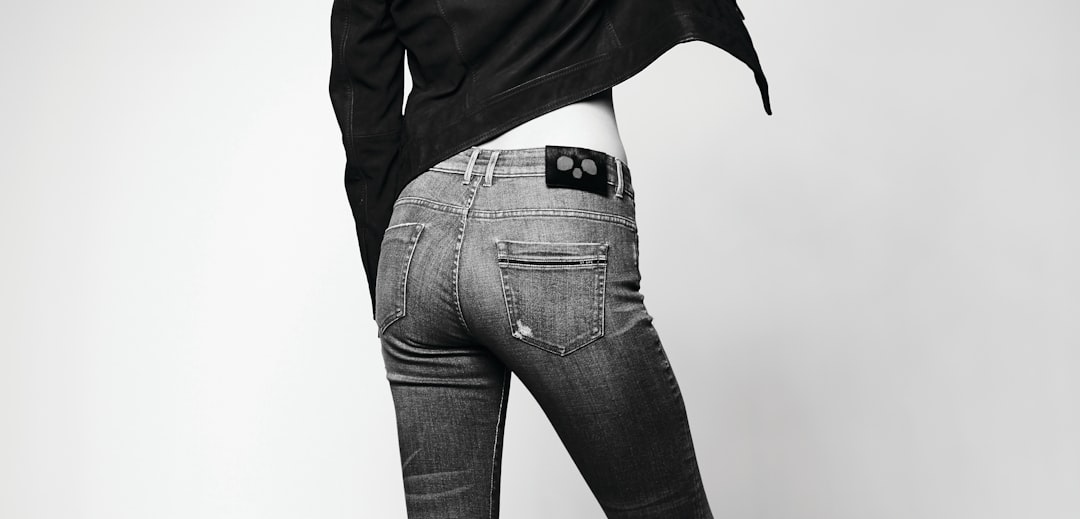
I wore skinny jeans nearly every day for the better part of a decade. Black skinny jeans with ankle boots. Ripped skinny jeans with oversized sweaters. Skinny jeans tucked into tall boots through every winter from 2012 to 2020. Then the cultural consensus shifted, the wide-leg revival happened, and suddenly the silhouette that had dominated denim for fifteen years was being treated like a relic.
Here is my position, stated plainly: skinny jeans are not dead, but they are no longer the default. They have moved from the silhouette you grab without thinking to the silhouette you choose with intention. That shift changes how you buy them, how you style them, and which pairs are worth your money. This guide covers all of it. It sits within our Denim Styles hub, which breaks down every major denim silhouette if you want to see how skinnies compare to everything else in the current landscape.
What skinny jeans actually are
A skinny jean is a form-fitting silhouette from hip to ankle. The leg opening is narrow — typically between 9 and 12 inches in circumference — and the fabric follows the contour of the leg throughout. There is no flare, no taper, no widening anywhere.
This is different from a slim-fit jean, which has a narrower cut than a Straight Leg Jeans but does not cling to the body. If you can pinch more than an inch of fabric at your mid-thigh, you are probably wearing a slim fit rather than a true skinny. The construction relies heavily on stretch — most skinny jeans contain between 2 and 8 percent elastane blended into the cotton. Without stretch, a true skinny fit would be nearly impossible to get into and miserable to wear.
The “are they dead” question, answered directly
No. Through roughly 2008 to 2019, skinny jeans were the baseline silhouette in women’s denim. The silhouette was so dominant that it stopped registering as a stylistic choice — it was just what jeans looked like.
That era ended. The pendulum swung toward Wide Leg Jeans, toward Flare Jeans, toward volume and relaxed fits. Social media declared skinny jeans “cheugy” in 2021 and the narrative stuck. But narrative and reality are different things. Skinny jeans still sell. Brands still produce them. People still wear them. The difference is that the people wearing them now are making a deliberate decision rather than following a default.
That is actually a better place for skinny jeans to be. Now that there are viable alternatives everywhere, the people still reaching for skinnies are the ones who genuinely like the fit and know how to make it work. The quality of skinny-jean outfits I see on the street has gone up, not down, since they stopped being mandatory.
Who skinny jeans work for
I have sold secondhand denim for years through Tumbleweed Thrift and I have seen hundreds of women try on thousands of pairs. This gives me a data set that goes beyond personal preference.
Straight and lean builds: Skinny jeans follow your natural lines without creating tension or pulling. The silhouette reads clean and elongated.
Athletic builds: If you have developed quads and calves, a skinny jean will show them. The difference between looking tight versus fitted usually comes down to stretch percentage — 5 percent or more elastane accommodates muscular legs without pulling. Below 3 percent, you are fighting the fabric.
Curvier figures: Skinny jeans on curvy bodies work beautifully when the waistband fits correctly. The number one issue I see is gap at the waist. Brands like Judy Blue Jeans have addressed this with curvy-fit skinny jeans that increase the hip-to-waist differential. Kancan Jeans Review also runs a curvy line that solves this problem without requiring you to size up.
Petite frames: Skinny jeans are arguably the most petite-friendly silhouette in denim. Because the fabric stays close to the body, there is no excess material to overwhelm a smaller frame. This is one of the reasons skinny jeans maintain such a loyal following among women under 5 foot 4.
Fabric and construction: what matters
The quality gap in skinny jeans is enormous. Because the fit is so close to the body, every construction detail shows. A bad seam is visible. Cheap denim pills. Low-quality stretch fabric bags out at the knees after three wears.
Denim weight: Midweight is ideal — 9 to 11 ounces. Lighter denim reads as leggings. Heavier denim is stiff and uncomfortable in a silhouette that needs to move with your body.
Stretch content: Look for 2 to 5 percent elastane. Below 2 percent, the jean is uncomfortably rigid. Above 6 percent, you are in jegging territory — the fabric will thin out quickly and lose its shape between washes. I have tested skinny jeans across the stretch spectrum, and the 3 to 4 percent range is where durability and comfort intersect best.
Recovery: This is the factor most people overlook. Stretch is only useful if the fabric snaps back to its original shape after being stretched. Good recovery means the knees do not bag out after sitting for an hour. Dual-core stretch construction produces better recovery. Vervet Jeans Review uses this approach in several of their skinny cuts, and the difference in all-day shape retention is noticeable.
Black skinny jeans: the essential pair
If you are going to own one pair of skinny jeans in 2026, make them black. Black skinny jeans have transcended the trend cycle entirely. They function as a neutral foundation piece — they work under tunics, with blazers, tucked into boots, with any top you own. The color eliminates the visual noise of fading patterns and whiskering that can make blue denim skinnies look dated.
The key is fade resistance. Cheap black denim turns charcoal after five washes and grey after fifteen. Look for sulfur-dyed or double-dyed black denim. I have a pair from a premium brand that still reads as true black after dozens of washes. I have another pair from a fast-fashion retailer that looked grey within a month. The upfront price difference was about thirty dollars. The cost-per-wear difference was enormous.
Black Skinny Jeans Women High Rise on Amazon
Ripped and white skinny jeans
Ripped skinny jeans were the defining look of the mid-2010s. In 2026, the distressed skinny still has a place, but it has narrowed. A single knee rip or minimal distressing at the hem reads current. Heavy destruction across both legs with backing fabric showing through reads 2016. If your ripped skinny jeans have more holes than fabric, they have aged out.
White skinny jeans with minimal distressing remain a strong warm-weather option. The combination of the clean color and a single rip at the knee reads casual and put-together without trying too hard.
Styling skinny jeans now
Volume balance: Pairing skinny jeans with a fitted top creates an all-slim silhouette that can read dated. The better approach is contrast — an oversized blazer, a chunky knit, a longer tunic. The fitted bottom plus relaxed top creates proportion and visual interest.
Footwear: Skinny jeans are the most boot-friendly silhouette in denim. They tuck into knee-high boots without bunching and show off ankle boots cleanly. Where they struggle is with chunky sneakers, which create a lollipop effect — heavy at the foot, thin at the leg.
Length: Skinny jeans should hit at or just above the ankle bone with no pooling. If they bunch at the ankle, hem them. A roll cuff works on heavier denim but looks fussy on lightweight stretch fabric.
Where to buy skinny jeans worth owning
The skinny jean market has thinned as brands shift production toward wider silhouettes, but strong options remain. Judy Blue continues to produce well-constructed skinny jeans with their signature tummy-control waistband. Kancan runs a consistent skinny fit that works well for petite frames. For mid-range, Madewell’s 10-inch high-rise skinny is one of the best-proportioned skinny jeans on the market.
For secondhand skinny jeans, Poshmark remains the best source. The flood of closet cleanouts that happened when wide-leg jeans took over means there is an enormous supply of lightly worn premium pairs at steep discounts.
Skinny Jeans Women Designer on Poshmark
The verdict
Skinny jeans are not dead, and pretending they are is as lazy as pretending they are still the only option. The silhouette has moved from default to intentional, and that transition has actually made it better. The people still wearing skinny jeans are choosing them because the fit works for their body, their wardrobe, and their personal style.
If you value the clean line and the boot-friendly ankle, if you appreciate a silhouette that does not require a specific shoe height to look right, then skinny jeans deserve a place in your rotation. Buy good ones. Pay attention to stretch content and recovery. Invest in a black pair at minimum. And wear them without apology, because confidence in a deliberate choice will always look better than anxiety about a trend report.
Frequently asked questions
Are skinny jeans in style in 2026?
Skinny jeans are no longer the dominant trend, but they remain a viable and widely worn silhouette. The shift is from “everyone wears them” to “the people who wear them do so intentionally.” Calling them “out of style” is an oversimplification — they have changed roles, not disappeared. For a deeper look, see our piece on Are Skinny Jeans Still in Style? Here’s Our Honest Answer.
What is the difference between skinny jeans and jeggings?
Skinny jeans are constructed from denim with 2 to 5 percent stretch and maintain structural jean characteristics — button fly, belt loops, reinforced seams, functional pockets. Jeggings use knit fabric with 8 percent or more elastane, often have an elastic pull-on waistband, and lack true denim construction. The easiest test: if the waistband stretches enough to pull on without unbuttoning, they are jeggings.
How should skinny jeans fit at the ankle?
The hem should hit at or just above the ankle bone with no pooling or stacking. The cleanest modern skinny jean silhouette shows a sliver of ankle above the shoe. If the jeans bunch at the ankle when you stand, they are too long and should be hemmed.
What rise works best for skinny jeans?
High-rise (10 to 11 inches) is the most versatile option in 2026. It elongates the leg, smooths the midsection, and stays in place without constant adjustment. Mid-rise works well for shorter torsos. Low-rise skinny jeans have made a minor comeback alongside the broader Low Rise Skinny Jeans trend, but they are harder to style. If you are buying one pair, go high-rise.
Shop the look on Amazon
Everything you need to build a secondhand-style wardrobe, delivered. We may earn a commission on purchases.


