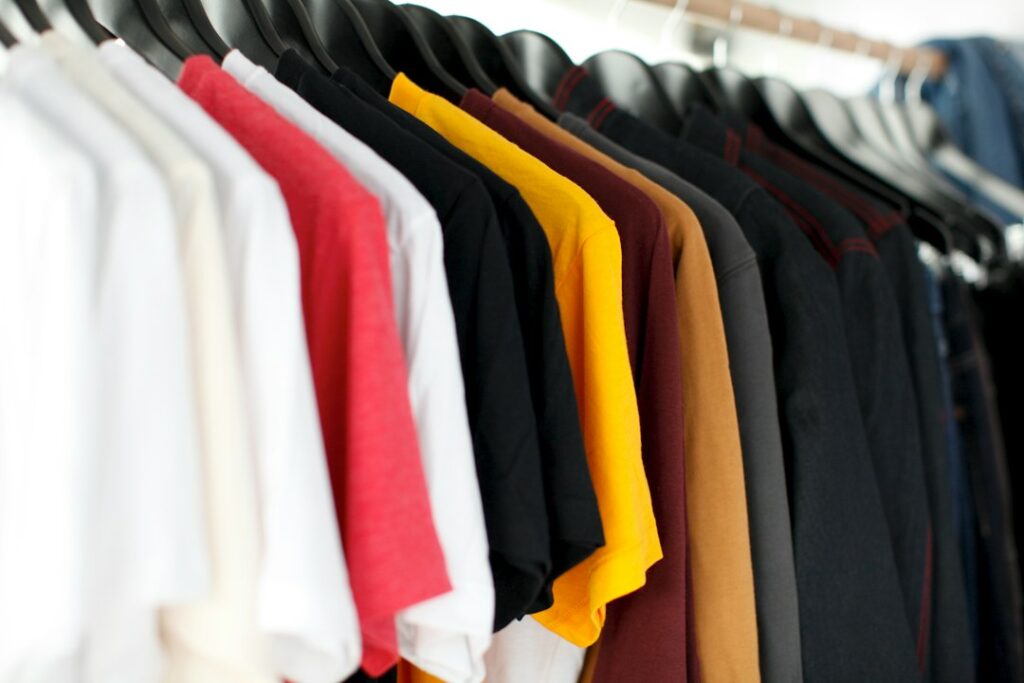
Cotton can shrink, and it usually happens the first few times it meets warm water, a busy wash cycle and a hot dryer. The good news is that most of it is predictable, and most of it is avoidable.
Does cotton shrink? Yes, it can, mainly through a mix of water, agitation in the washer and heat in the dryer. How much depends on how the fabric was made, whether it was preshrunk, and how you wash and dry it, so the care label on the garment is always the first thing to check. This guide explains why cotton shrinks, what makes it worse, how to wash cotton without losing a size, and what you can do if a favourite tee already came out smaller. For the bigger picture across every fabric in your closet, our hub on How to Prevent Clothes From Shrinking in the Wash covers the general rules.
Quick answer: Cotton can shrink, usually by a few percent, and most of it happens in the first washes and in the dryer. To keep cotton close to its original size:
- Read the care label and follow its temperature.
- Wash in cool or cold water on a normal or gentle cycle.
- Air dry, or tumble dry on low and take it out while slightly damp.
- Reshape the garment by hand while it is still damp.
Why does cotton shrink?
Cotton is a plant fibre, and natural fibres like it behave differently in water than synthetics do. A Procter & Gamble laundry scientist, quoted in Martha Stewart Living, explained that cotton and other natural fibres shrink most easily because they are “water-loving”, while polyester and nylon are “less likely to shrink because they do not tend to absorb moisture.” That is the core reason a cotton tee and a polyester gym shirt can come out of the same load in different shapes.
Relaxation shrinkage
The main cause most fabric guides point to is called relaxation shrinkage. During spinning, weaving and knitting, cotton fibres and yarns are pulled and held under tension. The finished fabric is, in a sense, slightly stretched. When it meets water, heat and agitation, those fibres relax back toward a shorter, more natural state, and the garment gets a little smaller. Fabric makers who explain the process describe this as a change of a few percent rather than a dramatic drop, and that is the honest way to think about it: noticeable on a fitted tee, not usually enough to turn a large into a small on its own.
It is not just hot water
Hot water gets most of the blame, but it is only part of the story. The same P&G expert said “water itself and the agitation experienced in the washer” drive shrinkage. In practice, that means three things work together:
- Water lets the fibres move and relax.
- Agitation (tumbling, spinning, rubbing against other clothes) pushes the fibres closer together.
- Heat, especially in the dryer, speeds the whole process up.
Laundry service We Do Laundry describes the dryer as generally the riskier step, because its heat is hotter and lasts longer than the wash, and the tumbling adds even more agitation. If you only change one habit, lowering the dryer heat or skipping it is the one that tends to matter most.
Length versus width
Some fabric makers note that cotton may shrink more in length than in width, because of how the yarns are tensioned on the loom or knitting machine. Treat that as a possibility rather than a rule. Plenty of people notice a tee getting shorter before it gets narrower, but different knits and weaves behave differently.
Does 100% cotton shrink more than blends?
Generally, yes. Laundry services such as Rinse list cotton, linen, rayon and wool among the fibres most likely to shrink, and polyester and nylon among the fibres that resist it better. So a 100% cotton tee usually has more room to shrink than a cotton-polyester blend, because the synthetic share does not absorb water in the same way. If you are weighing the two, our comparison of Cotton vs Polyester goes through how each fibre feels, wears and washes.
Fine, long-staple cottons are still cotton. A shirt made from What Is Pima Cotton? Pima vs Egyptian vs Regular Cotton can feel smoother and more durable, but it still responds to water, agitation and heat, so the same care rules apply.
What makes cotton shrink more
This table sums up the main factors. None of them comes with a fixed percentage, because shrinkage depends on the fabric, the finish and the machine.
| Factor | Effect on cotton | What to do instead |
|---|---|---|
| Hot wash water | Helps fibres relax faster, especially in the first washes | Use cool or cold water unless the label asks for warmer |
| Heavy agitation | Rubbing and tumbling push fibres closer together | Use a normal or gentle cycle and avoid overloading |
| High dryer heat | Usually the riskiest step: hot, long and tumbling | Air dry, or tumble dry low and remove while slightly damp |
| Not preshrunk | More of the relaxation is still to come | Wash cold and air dry for the first few washes |
| 100% cotton vs blend | Pure cotton usually has more room to shrink | Check the fibre content on the label |
| Loose knits | Jersey and loose knits can change shape more than tight weaves | Reshape while damp and dry flat |
What “preshrunk cotton” means
“Preshrunk” is common label language for cotton that has been treated or washed during manufacturing so that less shrinkage is left for you. It does not mean the garment cannot change at all. Levi’s, for example, says that “most Levi’s jeans are preshrunk and should experience little to no shrinkage when cared for according to the garment care instructions.” Notice the condition at the end: the brand ties that result to following the care label.
The opposite case is raw denim. Levi’s describes its Shrink-to-Fit 501 jeans as not preshrunk and designed to shrink and mould to the wearer. Levi’s says that, on average, you can expect these specific jeans to shrink by about 1 inch in the waist and up to 2 to 3 inches in length. That figure is Levi’s own estimate for that one product, not a rule for cotton in general. If you are deciding between the two versions, see Levi’s 501 Shrink-to-Fit vs Original.
How to wash cotton without shrinking it
These steps are a common method rather than an official standard, and the care label always comes first. Under the FTC Care Labeling Rule, a label must say “whether the product should be washed by hand or machine, and give a water temperature setting if regular use of hot water will harm the product.” The FTC also requires brands to have “reliable evidence” behind their care instructions, so the label is the best guide you have for any single garment.
- Check the care label for the wash method, water temperature and drying instructions.
- Sort cotton by colour, keeping darks, lights and whites apart.
- Turn printed or dark tees inside out.
- Choose cool or cold water for coloured cotton.
- Pick a normal or gentle cycle and leave room in the drum so clothes are not packed tight.
- Use a regular detergent at the dose on the bottle. A Cold Water Laundry Detergent on Amazon is designed for low-temperature washes.
- Remove the load promptly when the cycle ends.
- Shake each piece out and gently pull seams and hems back into shape.
- Air dry on a rack or hanger, or tumble dry on low heat.
- If you use the dryer, take cotton out while it is still slightly damp and let it finish on a hanger.
Top-selling match on Amazon

- Tough Stain Removal: Tide's laundry soap works on 100% of common stains, for every load every time. Don't…
- Grease Cleaning Power: Tide laundry detergent has 10X the grease fighting ingredients versus leading…
- Works On All Fabrics: Tide liquid detergent works on all machine washable fabrics and in all cycles and…
For whites, a common method is to wash at the warmest water the label allows. Warm water does more of the cleaning, but it also raises the shrink risk, so it is a trade-off. Our guide to How to Wash White Clothes and Keep Them Bright covers that balance in more detail. A folding Clothes Drying Rack on Amazon makes air drying easier if you are short on space.
Top-selling match on Amazon
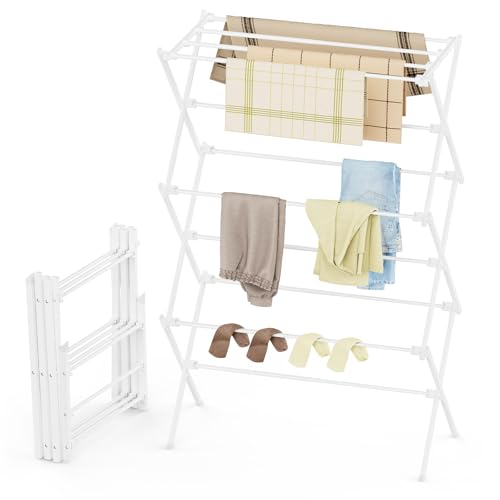
- 【Folding Design】This drying rack features a foldable and telescoping design that meets your…
- 【Sturdy Construction】 The clothing drying rack features a stable X-shaped frame design. And…
Hand washing cotton
Most everyday cotton is machine-washable, but delicate cotton pieces such as lace trims, fine voile or vintage blouses may do better by hand. The same principles apply: cool water, gentle handling and no wringing. See How to Hand Wash Clothes (Delicates, Wool and Dresses) for a step-by-step version.
A note on bleach
The Smithsonian Museum Conservation Institute notes that chlorine bleach used repeatedly on cotton and linen causes yellowing and weakening over time. Check the label before bleaching: a label that says “Only non-chlorine bleach, when needed” or “Do not bleach” means chlorine bleach is expected to harm that item. Never mix chlorine bleach with ammonia or with acids such as vinegar, because these combinations produce toxic gases. If anyone is exposed, call US Poison Control at 1-800-222-1222.
Cotton in the dryer: what to expect
If a cotton tee has gone through the dryer on high a few times with no change, it has probably already done most of its relaxing. The risk is highest with new, non-preshrunk pieces on their first hot cycle. A few habits help:
- Use the low or delicate heat setting for cotton you want to keep at its current size.
- Use a shorter cycle and check the load partway through.
- Take pieces out while slightly damp and hang them to finish.
- Wool Wool Dryer Balls on Amazon can help separate a load as it tumbles, which some people find shortens drying time.
- Clean the lint screen after every load. The American Cleaning Institute recommends it, and the US Fire Administration lists failure to clean as a leading factor in dryer fires.
Some people do the opposite on purpose: they want a slightly oversized cotton tee to come down a little. If that is you, our guide to How to Shrink a Shirt (and Other Clothes) Without Ruining It covers how to do it in controlled steps.
If your cotton already shrank
Relaxation shrinkage in cotton can sometimes be eased back a little, because it is a change in fibre tension rather than the permanent felting that happens to wool. A common method is to soak the garment in lukewarm water with a little hair conditioner or baby shampoo, gently stretch it back toward its original shape while damp, and dry it flat. Results vary, and there is no guarantee it will return to its original size. Our full guide to How to Unshrink Clothes walks through the steps and what to expect.
For shrinkage in other fibres, see the sister guides on whether Does Linen Shrink? Washing Linen Without Surprises applies to your linen pieces, and why Does Polyester Shrink? Heat, Blends and How to Avoid It is a different question altogether.
Thrift note: buying secondhand cotton
Secondhand cotton is often a safer bet on size than new cotton, because a previous owner has usually washed it many times and most of the relaxation is already done. Before you buy:
- Read the label. Check the fibre content. A tee that is 100% cotton has more room to change than a 50/50 blend.
- Measure the garment. Lay it flat and measure chest width and length, then compare with a piece you already own that fits well. Sizes on vintage labels often run differently from today’s.
- Look for signs of heat damage. Twisted side seams, a hem that rides up, or a print that has cracked can all suggest a hard life in the dryer.
- Wash before wearing. Use cold water and air dry for the first wash at home, then decide whether the size suits you.
Frequently asked questions
Does 100% cotton shrink every time you wash it?
Usually not by much after the first few washes. Most relaxation shrinkage happens early. Repeated hot drying can still cause small further changes, so cool washing and low heat keep things stable.
How much does cotton shrink?
Fabric guides typically describe cotton shrinkage as a few percent, though it varies with the fabric, finish and how it is dried. The only specific number in this guide is Levi’s estimate for its Shrink-to-Fit 501 jeans, which applies to that product only.
Does cotton shrink in the dryer or the wash?
Both can play a part, but the dryer is generally considered the riskier step because the heat is higher and lasts longer, and the tumbling adds agitation.
Will preshrunk cotton shrink at all?
It should change much less, but “preshrunk” is not a promise of zero change. Follow the care label, which is how brands such as Levi’s frame their own preshrunk claims.
Does cold water stop cotton from shrinking?
Cold water lowers the risk, but water and agitation alone can still cause some shrinkage. Pair cold washing with air drying or low dryer heat for the best result.
Can I wash cotton in hot water?
Only if the label allows it. Hot water can be useful for whites and heavily soiled items, but it increases the chance of shrinking, especially on new garments.
Shop the look on Amazon
Everything you need to build a secondhand-style wardrobe, delivered. We may earn a commission on purchases.