Shrinking a shirt on purpose is possible, but it is a one-way trip: go slowly, check often, and accept that the result will not be perfectly predictable.
Knowing how to shrink a shirt is useful when a thrift find, a sale buy or a shirt passed down from a sibling is just a little too big. The basic method is simple: wash the shirt, then dry it longer and hotter than usual, checking the fit as you go. The details depend almost entirely on what the shirt is made of, and some fabrics should not be shrunk at all. This guide explains why clothes shrink, which fibers respond, and step-by-step methods for cotton, linen, rayon and synthetics, plus the warnings that save you from ruining a favorite piece. If you are buying new basics instead, our Best Affordable Fashion Brands (2026) guide lists budget labels worth checking first, and for denim specifically, see our How to Shrink Jeans guide.
Before you start: three things to know
- Shrinking is usually permanent. You can sometimes relax a natural-fiber knit back a little (more on that below), but you cannot reliably undo shrinkage, and felted wool cannot be reversed at all.
- Shrinking is uneven and hard to control. A shirt does not shrink by a neat, equal amount everywhere. Cotton may shrink more in length than in width, and panels, collars and seams can respond differently. Nobody can promise an exact result.
- Shrinking goes against the care label. Under the FTC’s Care Labeling Rule, makers must give one complete regular-care method (or a warning if the item can’t be cleaned without harm), and they need a reasonable basis that following it will not cause substantial harm. Deliberately shrinking a shirt means stepping outside that safe method, so any damage is at your own risk.
Why clothes shrink
Most shrinking comes from a combination of water, agitation in the washer and heat and tumbling in the dryer. A Procter and Gamble laundry scientist quoted in Martha Stewart Living pointed to water itself and the washer’s agitation as key drivers, not water temperature alone. The dryer is generally the riskier step, because its heat is stronger and lasts longer than the wash, and the tumbling adds more agitation. The same expert noted that how dry you take a garment “locks in” the shrinkage.
Different fibers shrink in different ways:
- Cotton shrinks by relaxation. Fibers stretched during manufacturing relax back to a shorter state when they meet water, heat and agitation. Untreated cotton can shrink a few percent after its first wash and dry. Many shirts are preshrunk, so they will move less.
- Wool shrinks by felting. Its fibers have tiny overlapping scales that open and lock together with heat, moisture and agitation, making the fabric denser and smaller. Felting is permanent.
- Polyester and nylon absorb very little water, so they resist shrinking. Polyester is usually heat-set during manufacturing, which stabilizes its shape. Acrylic, like polyester and nylon, generally resists shrinking.
Which fabrics you can shrink, and which to leave alone
| Fiber | Shrinks? | Should you try? |
|---|---|---|
| 100% cotton (T-shirts, button-downs) | Yes, most of all if not preshrunk | Yes, gradually with the wash and over-dry method |
| Linen | Yes | Yes, with care; check often |
| Rayon / viscose | Yes, easily | Cautiously; it can shrink fast |
| Cotton-polyester blends | Somewhat, depending on the cotton share | Expect a small change at best |
| Polyester, nylon, acrylic | Generally resist | Not worth trying; consider a tailor |
| Anything with spandex or elastane | Heat damages the stretch fiber | No hot wash or hot dry |
| Wool, cashmere, merino | Felts permanently | No; do not use hot water and high heat |
Check the fiber content on the label before anything else. It tells you which section below applies.
How to shrink a cotton shirt (step by step)
This is the method most people mean when they ask how to shrink a t shirt or how to shrink cotton. It follows the approach recommended by the P&G laundry scientist: wash normally, then over-dry on a timed cycle, checking as you go.
- Read the label. Confirm the shirt is mostly cotton and has no elastane. Note whether it says preshrunk, which means it will move less. If you are shopping for plain tees rather than shrinking one, our The Best White T-Shirts for Men roundup is a good place to compare options.
- Wash it on a regular cycle. Use the normal cycle rather than delicate, so the shirt gets full water and agitation. Warm or hot water can add to the effect on cotton, but the agitation and the dryer do much of the work.
- Dry on a timed cycle, not sensor dry. Set the dryer to standard or high heat on a timer. Sensor-dry settings stop when the load is dry, which limits shrinkage.
- Check every few minutes. Stop the dryer around every five minutes once the shirt is close to dry, and hold it up against yourself or try it on. Shrinkage happens in small steps and you cannot back up.
- Stop before you reach the target. When it is nearly the size you want, take it out and lay it flat to finish air drying. Over-drying past this point keeps shrinking it.
- Repeat if needed. If it is still too big after drying, run another wash and dry cycle. Going in rounds gives more control than one long, very hot cycle.
If you shrink clothes often, a dryer with a reliable timed setting matters more than any gadget. Wool dryer balls are a popular laundry add-on for everyday loads; browsing Wool Dryer Balls on Amazon shows the common options.
Top-selling match on Amazon
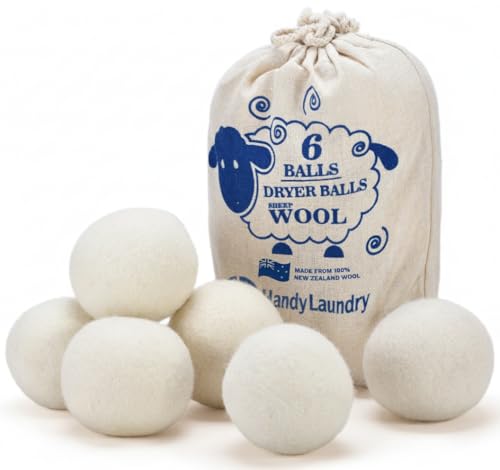
- Superior Quality Wool: 100% New Zealand premium wool with no synthetic fillers, rolled into tight…
- Reusable Fabric Softener: Replace chemically infused dryer sheets and liquid fabric softeners with a natural…
- Speed Up Drying Time: As the dryer balls tumble around in the dryer, they lift and separate laundry…
Shrinking only part of a shirt
Targeting just the sleeves or the length is hard, because water and heat reach the whole garment. Some people dampen only one area and iron it dry on a cotton setting, but the result is subtle and not guaranteed. For precise changes such as sleeve length or a narrower body, a tailor is more reliable.
How to shrink a linen shirt
Linen is one of the fibers most likely to shrink, so it usually needs a gentler approach than cotton. The same goes for the linen pieces in a summer suitcase; our Mens Linen Shirts and Vacation Dresses guides cover warm-weather linen to wear rather than shrink.
- Check the label. Some linen pieces say dry clean only, and some are linen blended with cotton or viscose, which changes how they respond.
- Wash on a regular cycle with warm water, following the label as closely as you can.
- Dry on medium heat on a timer and check every few minutes. Linen can shrink quickly once it is warm.
- Remove while slightly damp and lay flat or hang to finish drying. Iron while still a little damp to smooth creases.
How to shrink a rayon or viscose shirt
Rayon and viscose are among the fibers most likely to shrink, sometimes more than you want, so a gentle approach gives more control.
- Hand wash or use a gentle cycle in lukewarm water. The water and gentle movement are often enough to bring the shirt in.
- Press out water with a towel rather than wringing.
- Dry on low heat for a few minutes only, checking constantly, or skip the dryer entirely and air dry. Many rayon pieces shrink noticeably just from washing.
Polyester, nylon and blends
Polyester, nylon and acrylic generally resist shrinking, so the wash and dry method will do little. Polyester and nylon absorb very little water, and polyester is usually heat-set during manufacturing to hold its shape, so extra rounds in a hot dryer mostly add wear without much change in size. If a synthetic shirt is too big, a tailor is the better option.
Cotton-polyester blends sit in between. A shirt with a high cotton share may shrink slightly with the cotton method above; one that is mostly polyester will barely change.
Stretch fabrics: avoid heat
Shirts with spandex or elastane (often listed as Lycra) should not be shrunk with a hot wash and hot dryer. The P&G scientist warned that heat makes stretch fibers brittle so they lose their elasticity, which can leave a shirt baggy or rippled instead of smaller. Wash these cool and air dry or tumble on low.
Wool and cashmere: why not to try
It is tempting to shrink an oversized wool or cashmere sweater, but this is where shrinking most often goes badly. Hot water, agitation and dryer heat cause wool to felt, and felting is permanent: the knit becomes thick, stiff and much smaller, often unevenly. The P&G laundry scientist advises against trying to shrink wool on purpose. Merino tends to resist felting a little longer than coarser wools, but it still felts. If a wool piece is too big, wear it oversized, take it to a tailor or knitter, or pass it on.
Fixing a shirt that shrank too much
Natural-fiber knits can sometimes be partly relaxed:
- Fill a basin with lukewarm water and add a small amount of fabric softener or hair conditioner.
- Soak the shirt for about 15 minutes.
- Press out the water gently with a towel, without wringing.
- Lay it on a flat surface and gently stretch it toward the size you want.
- Let it air dry flat.
This can win back a little, not all, of the lost size, and it does not work on felted wool. Browsing Sweater Drying Rack Flat on Amazon shows mesh racks that make flat drying easier.
Top-selling match on Amazon

- 【Stable & Durable】Dimensions: Each lay flat mesh drying rack measures 28 x 28 x 5.71 inches…
- 【Mesh Design & Fast Drying】The open mesh netting prevents scratching and staining of delicate…
How to stop clothes from shrinking
The same science works in reverse if you want to keep a shirt its current size:
- Follow the care label.
- Wash in cold water on a gentle or normal cycle.
- Air dry, or use a low-heat or sensor-dry setting and remove clothes while slightly damp.
- Keep wool, cashmere and stretch fabrics out of hot dryers.
A mesh laundry bag (Mesh Laundry Bags For Delicates on Amazon) helps reduce agitation for delicate pieces.
Shrinking thrift finds
Secondhand shirts are often the best candidates for shrinking, because they cost little and a previous owner may already have washed them many times. That also means most of their shrinkage may already have happened. If a vintage cotton tee or button-down has been through years of laundry, expect only a small change. Check fit at the shoulders before buying, because shrinking will not fix shoulders that are far too wide. Our Thrift and Resale Fashion guides cover what to look for in secondhand clothes, and if you are shrinking a pair of vintage Levi’s, see our Levi’s 501 Shrink-to-Fit vs Original comparison first.
How to shrink a shirt FAQ
How can you shrink a shirt quickly?
Wash it on a regular cycle and dry it on high heat on a timer, checking every few minutes. This works best on 100% cotton that is not preshrunk. It is fast, but harder to control, so stop early rather than late.
Does hot water alone shrink clothes?
Not on its own. Shrinking comes from the combination of water, agitation and dryer heat. Over-drying in a hot dryer usually has a bigger effect than wash temperature.
How much will a cotton shirt shrink?
It varies with the fabric, how it was made and whether it was preshrunk. Untreated cotton may shrink a few percent; preshrunk cotton usually changes less. There is no reliable way to hit an exact measurement.
Can I shrink a polyester shirt?
Not in any meaningful way. Polyester resists shrinking, and high heat is more likely to damage it. A tailor can take it in instead.
Can you unshrink a wool sweater?
No. Felted wool is permanent. Soaking in a softener solution and stretching can help a little with cotton and other natural-fiber knits, but not with felted wool.
Is it better to shrink a shirt or get it tailored?
For small, overall size changes in cotton, shrinking can work. For specific changes (sleeve length, a narrower waist, synthetic fabrics or anything wool), a tailor gives a far more predictable result.
Can you shrink a shirt without a dryer?
You can shrink a cotton or linen shirt a little without a dryer, but the change is usually smaller, because dryer heat and tumbling do much of the work. Wash it on a regular cycle in warm or hot water so it gets full agitation, then press it dry with an iron on the cotton setting, checking the fit as you go. Rayon often shrinks from washing alone, while polyester and nylon barely move either way.
The verdict
Shrinking a shirt works best on 100% cotton and linen, done gradually: a regular wash, a timed hot dryer cycle and frequent fit checks, stopping just before you hit the size you want. Rayon needs a gentler touch, synthetics barely move, and stretch fabrics, wool and cashmere should stay out of hot water and high heat entirely. Treat every attempt as permanent and imprecise, and when you need an exact fit, a tailor is the safer bet.
Shop the look on Amazon
Everything you need to build a secondhand-style wardrobe, delivered. We may earn a commission on purchases.
Browse picks on Amazon →Undo or Prevent Shrinking
How to unshrink clothes and stop them shrinking in the first place.