Vintage Levi’s 501 Jeans: What to Expect From a Lived-In Pair
People talk about the 501 like it’s a single jean with a single answer. It’s not. It’s a 130-year-old product that changes meaningfully every decade, and a good review has to admit which pair it’s talking about.
This guide focuses on one of the most common vintage Levi’s 501 jeans on the resale market: a late-1980s made-in-USA little e pair, the kind that turns up on Poshmark in the $60 to $90 range. Not the category, not the mystique — what that kind of pair does well, what it doesn’t, and what to know before you buy one. For broader context on the cut across decades, see Levi’s 501 Vintage Jeans. For the full vintage Levi’s picture, start at Vintage Levi’s or the pillar Brand Guides.
What a well-worn 1980s pair looks and fits like
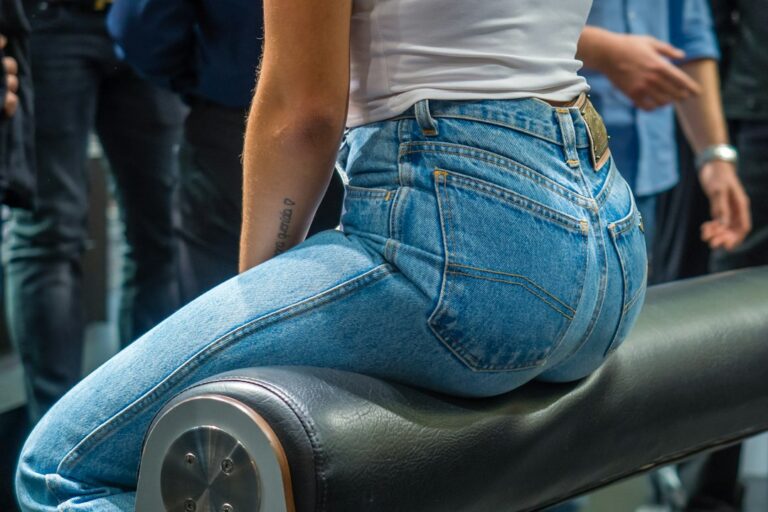
A good secondhand 1980s pair often arrives with the break-in already done, because a previous owner wore it hard before letting it go. Look for denim that is soft but still structured, whiskers at the hip flex that are authentic (not factory-applied), and indigo with the uneven fade that only comes from real wear. The fit is typically high rise but not exaggerated, with a slight taper from the thigh to a 16″ leg opening. Pre-shrunk pairs often measure close to the tag, but confirm with flat measurements.
This is the thing about buying vintage 501s that already look lived-in: you skip the awkward break-in phase. New raw 501s require a commitment — weeks of stiff denim, potential indigo bleed onto light furniture, shrinking to fit. Vintage pairs skip that.
How vintage 501s age with regular wear
Heavy older denim tends to wear slowly, and a vintage 501 in regular rotation keeps developing its fade — heavier at the thighs and seat, lighter along the inseam. Over time, expect small wear points: thread breaks in the back-pocket arcuate stitching, a fly button that loosens and needs tightening, and a red tab that softens but usually stays readable.
The crotch is the part that eventually thins. This is inevitable on vintage 501s, so budget for a reinforcement job once thinning appears. A denim tailor can reinforce the area, and the jean keeps going. Leave visible thinning unrepaired and a blow-out is likely sooner rather than later.
Sizing specifics
Vintage 501s are meant to fit snug at the waist without a belt. If your natural waist sits between two sizes, compare the flat waist measurement (doubled) to your own: a pair with a quarter inch or so of give is right, while one a full inch over will need a belt constantly. Check the hip and thigh too, and aim for a clean half-break at the ankle.
Key sizing note: vintage 501s from the 80s that were bought raw and shrunk to fit have final measurements that are unique to the original owner’s washing technique. Two pairs labeled “32×34” from 1987 might measure 31×31 and 33×33 today. Always flat-measure.
How it compares to new Levi’s 501 Original
The current-production 501 Original lists at around $70 at Levi’s for standard washes and $98 for Premium versions, and it is ready to wear out of the box. Compared with a late-80s pair, it generally cuts trimmer through the thigh with a lower rise. It’s not a bad jean, but it’s a different jean. A vintage 1980s pair usually feels more substantial in the hand and cuts more generously through the leg.
At similar money, a vintage pair can win on both fabric and fit, assuming you find the right size. If you can’t find vintage in your size, Levis 501 Original Fit on Amazon is a respectable substitute. The heritage reproductions in Levi’s Vintage Clothing line are closer to the old feel but cost $200+.
The drawbacks
Pocket construction on older 501s can give out, and a coin pocket that starts to detach is a common small repair. Not a failure — just a reminder that vintage denim is 30–40 years old and not all stitching survived. A tailor can reattach a pocket cheaply.
The rise is higher than most modern denim, and it can feel strange for the first couple of weeks. Shorter tees may ride up when you sit, so longer-cut tees and untucked shirts tend to work better.
Finally, the color. True vintage indigo is darker and bluer than most modern “vintage wash” jeans. It doesn’t look like it’s trying to be faded — it actually is faded, and that authenticity reads differently on camera than people expect. Some people want the pre-faded Instagram-friendly look. Real vintage doesn’t always give you that.
What it costs in total
Say you pay $68 for a pair, then spend a little on small repairs and a crotch reinforcement over a few years. Spread across a few hundred wears, the cost per wear lands well under a dollar. Few people track that math on clothes, but for a pair of jeans that can keep going for years, it’s one of the better price-per-wear ratios you’ll find. Find comparable pairs at Vintage Levis 501 Made In Usa on Poshmark.
Shop our picks: Levi’s 501 Crop Jeans Women, Levi’s 501 Stretch Jeans, Levi’s 501 Button-Fly Jeans.
The verdict
A good pair of vintage Levi’s 501 jeans earns the hype if you find the right decade and size. A late-80s pair is the classic choice once you know your size. For a first vintage 501 purchase, 1990s pairs are the safer pick because the sizing is more predictable and the pre-shrunk denim removes the shrink-to-fit variable. Save the 80s and 70s pairs for when you know what fit works for your body. See Vintage Levi’s 501 for the broader cut-specific review and Best Price for Vintage Levi’s Jeans for platform pricing.
Shop the look on Amazon
Everything you need to build a secondhand-style wardrobe, delivered. We may earn a commission on purchases.
Browse picks on Amazon →FAQ
How do I know if my vintage Levi’s 501 jeans are authentic?
Check the red tab (big E vs little e), the back pocket arcuate stitching, the inside waistband stamp, the care tag (or absence), and the two-horse patch. Three of five markers should agree on decade.
Are vintage 501s worth the price over new?
For equivalent condition and fit, often yes. Vintage pairs in the $60–$90 range can outperform new 501s on fabric weight and cut. Above $150, the premium is paying for rarity rather than wearability.
How long do vintage Levi’s 501 jeans last?
A pair already 30+ years old can easily last another decade with occasional tailor reinforcement. The fabric was woven for longevity.
What’s the best size to buy in vintage 501?
Your measured waist in inches, not your modern jean size. Flat-measure the listing and match it to a pair you already love.
Do vintage Levi’s 501 jeans shrink when you wash them?
A pre-shrunk vintage 501 usually measures close to its tag and shrinks very little in a normal cold wash. Pairs that an earlier owner bought raw and shrunk to fit have already settled, which is why two pairs with the same tag can measure differently today. Hot water and a hot dryer can still tighten all-cotton denim slightly, so washing cold and hanging to dry is the safer routine. Always buy from the listing’s flat measurements rather than the label.