Socks are one of the oldest garments still worn every day, and the vocabulary is simpler than it looks: most names describe either how high the sock reaches or what it is made for.
This guide covers the main types of socks, starting with lengths from no-show to over-the-knee, then styles such as dress, athletic, hiking and argyle, then the fibres you will see on the label. For each one there is a definition, how to spot it, and what it is typically worn with. If you already know you want wool, our Merino Wool Socks guide goes deeper into merino specifically.
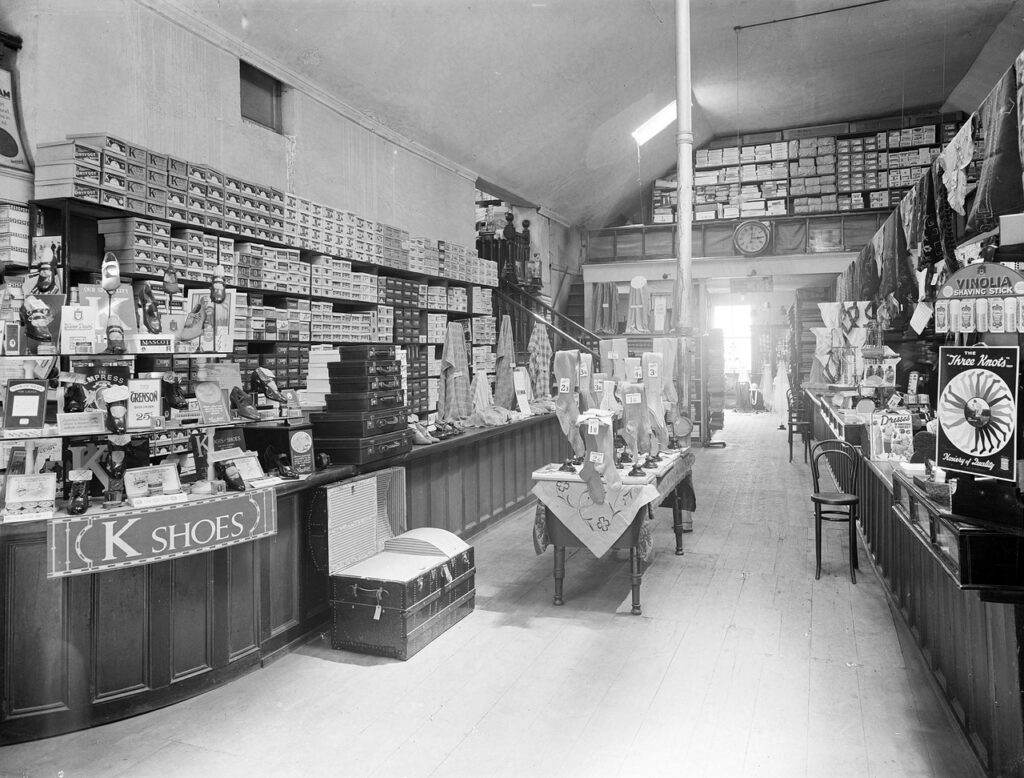
Where socks come from
The Online Etymology Dictionary defines a sock as a “knitted or woven covering for the foot, short stocking.” The word comes from Old English socc, “slipper, light shoe,” and Latin soccus, a “slipper, light low-heeled shoe.”
The garment itself is far older than most people expect. The Victoria and Albert Museum holds a pair of red wool socks from Egypt dated AD 250 to 420. According to the V&A, they have a split toe “designed to be worn with sandals,” and they were made by nålbindning, “single needle knitting,” which the museum describes as “a technique closer to sewing than knitting.” They were started at the toe and have a turned heel. So socks with sandals has a long history.
Sock types at a glance
| Style | Key feature | Typically worn with |
|---|---|---|
| No-show | Sits below the shoe line | Loafers, sneakers, flats |
| Ankle (low-cut) | Ends at or just above the ankle bone | Low sneakers, running shoes |
| Quarter | Covers the ankle bone | Running shoes, trail shoes |
| Crew | Ends on the lower calf | Everyday sneakers, boots |
| Mid-calf | Ends at the widest part of the calf | Dress shoes, boots |
| Knee-high | Ends just below the knee | Tall boots, skirts, dress trousers |
| Over-the-knee | Ends above the knee | Skirts, shorts, short dresses |
| Dress socks | Thin, fine knit, mid-calf or longer | Suits, dress shoes |
| Athletic socks | Cushioned sole, ribbed arch band | Trainers, gym wear |
| Hiking socks | Thick cushioning, often wool | Hiking boots |
| Boot socks | Tall and thick | Work boots, winter boots |
| Argyle socks | Diamond pattern | Chinos, loafers, smart casual |
| Toe and split-toe socks | Separate toes or a divided big toe | Toe shoes, thong sandals |
| Liner socks | Thin layer under a thicker sock | Hiking boots |
| Slipper / grip socks | Grippy dots on the sole | Indoors, studio classes |
Sock lengths
Crew, quarter, ankle, no-show and over-the-knee are length names in common usage, with no single standard behind them. Brands draw the lines in slightly different places, so check the product photo on a foot.
No-show socks
What it is: A sock cut low enough to sit below the edge of the shoe.
How to spot it: A very low, shallow shape, often with a silicone strip inside the heel to stop it slipping down.
How to wear it: With loafers, low sneakers, boat shoes and flats when you want the shoe to look sockless. Shop No Show Socks Women on Amazon in a few heel-grip designs, since fit varies with the shoe.
Top-selling match on Amazon

- Premium Cotton: Made of natural combed cotton & spandex which enhances durability, comfortability…
- Not Slide Down: Cotton low cut invisible socks with 3 silicone heel grip technology ensures non-slip…
- Two Sizes Available: Our no show women socks for flats fit US women's shoe sizes 5-8, US women's shoe…
Ankle (low-cut) socks
What it is: A sock that ends at or just above the ankle bone, visible just above the shoe.
How to spot it: A short cuff, sometimes with a raised tab at the back of the heel.
How to wear it: With low sneakers and running shoes, and with shorts in warm weather.
Quarter socks
What it is: A sock that covers the ankle bone and stops a little above it.
How to wear it: A common choice for running and trail shoes, where a slightly higher cuff sits above the shoe collar.
Crew socks
What it is: A sock that ends on the lower calf, several inches above the ankle.
How to spot it: A ribbed cuff that sits well above the shoe.
How to wear it: The everyday default with sneakers, boots and casual trousers. White crew socks with sneakers are also a familiar casual look. Shop Mens Crew Socks Cotton on Amazon multi-packs for daily wear.
Top-selling match on Amazon
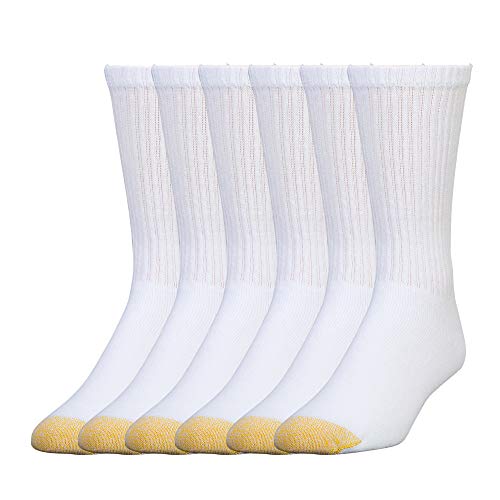
- Fits Shoe Sizes: 6-12.5
Crew vs ankle socks
The difference is height. Ankle socks stop around the ankle bone; crew socks reach several inches higher onto the calf. Ankle socks keep the look minimal with shorts and low shoes. Crew socks cover more skin when you sit and your trouser hem rises, and they sit above the collar of most boots. Many people keep both in the drawer.
Mid-calf socks
What it is: A sock that reaches the widest part of the calf, also called over-the-calf in some brands’ naming when it goes a little higher.
How to wear it: The usual length for dress socks, so no skin shows between sock and trouser hem when you sit.
Knee-high socks
What it is: A sock that ends just below the knee.
How to spot it: A long leg with a firm cuff to keep it up.
How to wear it: Under tall boots, with skirts and with dress trousers. According to the FIT Fashion History Timeline, knee socks were part of the mid-1990s “schoolgirl” look, which still shows up in pleated-skirt outfits.
Over-the-knee socks
What it is: A sock that ends above the knee, sometimes called thigh-high socks.
How to wear it: With skirts, shorts and short dresses, often in a cold season layered with ankle boots.
Sock styles by purpose
Dress socks
What it is: Thin, fine-knit socks, usually mid-calf or longer, in solid colours or small patterns.
How to spot it: A smooth, thin knit with no cushioned sole, often in cotton, merino or a nylon blend.
How to wear it: With suits and dress shoes. A common rule of thumb is to match the sock to the trousers, so the line from waist to shoe looks continuous. Our Men’s Dress Shoes guide covers the shoes.
Athletic socks
What it is: Socks built for sport, with a cushioned sole and often a ribbed band around the arch.
How to spot it: A thicker, terry-looped sole visible on the inside, and often a left and right foot marked on the sock.
How to wear it: With trainers for the gym, running and court sports. See Types of Sneakers for the shoes.
Hiking socks
What it is: Thick, cushioned socks, usually crew length or taller, often with a high wool content.
How to wear it: With hiking boots and trail shoes. For a brand-specific example, see our Smartwool Socks Review. Shop Merino Wool Hiking Socks on Amazon if you want to compare cushioning levels.
Liner socks
What it is: A thin sock worn under a thicker one.
How to wear it: A common layering method for hiking, used under a cushioned outer sock.
Boot socks
What it is: Tall, thick socks, often wool or wool-blend, sized to sit above the shaft of a boot.
How to wear it: With work boots and winter boots. See Types of Boots for shaft heights.
Argyle socks
What it is: Socks with a diamond pattern, often with a thin overlaid diagonal line. According to the Online Etymology Dictionary, the pattern is “said to be” named after the tartans of the Campbell clan of Argyll, and argyle socks are recorded from 1935.
How to wear it: With chinos and loafers for a smart-casual outfit. More on the pattern in What Is Argyle? The Diamond Pattern Explained.
Toe and split-toe socks
What it is: Toe socks have a separate pocket for each toe. Split-toe socks divide only the big toe from the rest, like the Egyptian pair in the V&A.
How to wear it: Split-toe socks work with thong-style sandals. See Types of Sandals for the shoes.
Slipper and grip socks
What it is: Socks with rubbery dots or patterns printed on the sole.
How to wear it: Around the house and in some studio fitness classes where the venue asks for them.
Sock fabrics
- Cotton. A common choice for everyday and athletic socks, usually blended with nylon and spandex for shape.
- Merino wool. The Woolmark Company says merino is “generally less than 22 micron,” compared with human hair at about 50 to 100 microns. Woolmark also says merino “absorbs odour molecules before they become noticeable” and reacts to changes in body temperature; these are Woolmark’s claims. See What Is Merino Wool? Why It’s Soft and How to Care for It.
- Nylon. Often added for durability. According to the Science History Institute, DuPont announced nylon on October 27, 1938, and nylon stockings first went on public sale on October 24, 1939.
- Spandex / elastane. The FTC says either name may be used. It keeps socks from sagging. Lycra is a brand name for spandex.
- Cashmere. The FTC defines cashmere as the fine undercoat fibres of a cashmere goat, averaging no more than 19 microns. Blends must show percentages on the label.
- “Bamboo.” The FTC says most bamboo textiles are rayon and must be labelled “rayon made from bamboo.”
Caring for socks
Start with the care label. For cotton blends, a common method:
- Turn socks inside out, so lint and pilling stay on the inside.
- Wash with similar colours at the temperature the label allows.
- Tumble-dry low or air-dry; heat is hard on elastic.
- Pair and fold them; see How to Fold Socks (Without Stretching Them) for methods that do not stretch the cuffs.
For wool socks, Woolmark recommends a wool cycle, “usually gentle action at 40°C,” only if the care label allows machine washing, or hand washing in lukewarm water, about 30°C, with a mild wool detergent. Woolmark explains that heat, moisture and agitation make wool fibres lock together, which is how felting happens, and that felting cannot be reversed. Our How to Wash Merino Wool guide has the full steps.
How to thrift socks
Most people buy everyday socks new, but thrift stores and outlets are still worth checking:
- Look for sealed packs and new-with-tags pairs. Unopened packs of wool hiking and dress socks turn up regularly.
- Read the fibre label. A wool or merino percentage at a thrift price is a good find.
- Check the cuff. Stretch it gently; it should spring back.
- Check the heel and toe. Thin spots show up first there.
Pair your finds with the right base layer using Types of Underwear, and with shoes from Types of Shoes.
Size charts: Sock Size Chart
Types of socks FAQ
What is the difference between crew and ankle socks?
Height. Ankle socks end around the ankle bone; crew socks reach several inches up the calf.
What length should dress socks be?
A common rule is mid-calf or longer, so no skin shows when you sit. This is styling convention rather than a formal rule.
How old are socks?
Very old. The V&A holds Egyptian wool socks from AD 250 to 420, made by nålbindning with a split toe designed to be worn with sandals.
When did argyle socks appear?
The Online Etymology Dictionary records argyle socks from 1935.
Do wool socks shrink?
Wool can felt and shrink with heat, moisture and agitation, according to Woolmark. Follow the care label, and use a wool cycle or hand wash.
What are the best socks for sweaty feet?
Merino wool or synthetic blends are usually better than plain cotton for sweaty feet, because they move moisture away from the skin instead of holding it. Nylon and spandex in the blend help the sock keep its shape when damp. Turning socks inside out to wash, drying them fully and rotating pairs between wears also helps, and wool socks should follow the care label to avoid felting.
How do you stop no-show socks from slipping off your heel?
Choose no-show socks with a silicone strip inside the heel, which grips the foot and stops the sock sliding down into the shoe. Fit varies with the shoe, so match the sock’s depth to the cut of the loafer, sneaker or flat; a very shallow sock in a deeper sneaker tends to slip. A snug size and some spandex in the fabric also help it stay in place.
Shop the look on Amazon
Everything you need to build a secondhand-style wardrobe, delivered. We may earn a commission on purchases.
Browse picks on Amazon →Sock Colour Rules
Matching socks to shoes and suits.