If you cannot tell the difference between a 1972 original and a 2019 reproduction, you are going to overpay for the wrong piece.
The single most useful skill in true vintage clothing is learning to date and authenticate garments on sight. The vintage market is full of reproductions, mislabeled fast fashion, and sellers who genuinely do not know the difference between a 1960s shift dress and a Forever 21 knockoff from 2016. This guide covers the concrete details — labels, construction, fabric, and hardware — that separate authentic vintage from everything else. For more on secondhand shopping and resale, our Thrift and Resale Fashion hub is worth bookmarking.
Labels Tell You Almost Everything
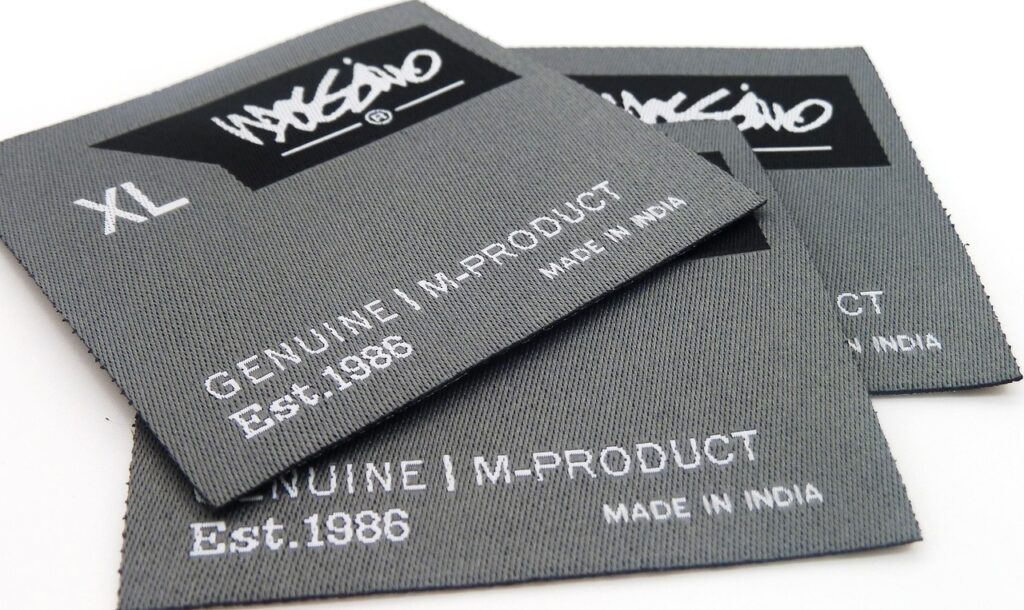
The label is the first thing to check on any potential vintage piece. Federal care labeling requirements were introduced in the United States in 1971, which means any garment with a care label (wash instructions, fabric content) was made after that date. If a piece has no care label and the construction looks genuine, it is likely pre-1971.
Union labels are another strong dating tool. The ILGWU (International Ladies’ Garment Workers’ Union) label went through several design changes between the 1930s and the union’s dissolution in 1995. The specific style of the union label can narrow a garment’s production date to within a decade. ACWA and UNITE labels serve similar functions for men’s garments.
Brand labels themselves changed over time. Levi’s, for example, used different tag styles, font treatments, and label placements across decades. A Levi’s piece with a lowercase “e” on the red tab dates to after 1971, while the capital “E” tab is earlier. These details are well documented online and are the fastest way to date a branded piece.
Country-of-origin labels on US apparel became a federal requirement in the mid-1980s, so their presence alone doesn’t prove a late date, but the wording and style help. “Made in USA” labels are common on genuine vintage from the 1970s through the early 1990s. After NAFTA in 1994, production shifted overseas, and “Made in China,” “Made in Bangladesh,” and similar labels became standard. A garment labeled “Made in USA” with a union tag is almost certainly vintage.
Construction Details That Identify Authentic Vintage
Older garments were constructed differently than modern fast fashion. Seam allowances on vintage pieces are typically wider — half an inch to an inch — compared to the narrow quarter-inch seams on modern budget clothing. This extra fabric was left intentionally so garments could be altered, which was standard practice before disposable fashion.
Zippers are a strong dating indicator. A Jewelers Loupe 10X on Amazon helps you examine zipper teeth and pull tab markings up close. Metal zippers with a small, flat pull tab are typical of pre-1970s garments. YKK became the dominant zipper manufacturer in the 1970s, and their branded pulls are common from that decade forward. Plastic or nylon coil zippers appeared in the 1960s but did not become widespread until the 1980s.
Button materials tell a story too. Genuine shell, bone, and metal buttons indicate older construction. Cheap plastic buttons are more common from the 1980s onward. Feel the weight of the buttons — vintage buttons tend to be heavier and have more texture than modern plastic reproductions.
Fabric and Feel
Vintage fabrics feel different. Pre-1980s cotton is often a tighter weave than modern cotton, with a smoother hand feel. Vintage polyester from the 1970s has a distinct sheen and crispness that differs from modern polyester blends. Rayon from the 1940s and 1950s has a particular drape and weight that is immediately recognizable once you have handled a few pieces.
Fabric content tags help, but the feel of the fabric confirms. If a piece is labeled “100% cotton” but feels thin, rough, and loosely woven, it is likely modern budget construction regardless of what the seller claims about its age. Genuine vintage cotton from quality brands has a density and softness that comes from tighter weaving, not from chemical softeners.
The Verdict
Identifying true vintage clothing is a skill you build through handling hundreds of pieces and learning the specific markers of each era — labels, construction, zippers, buttons, and fabric quality. The investment in this knowledge pays for itself many times over because it protects you from overpaying for reproductions and helps you recognize underpriced gems that casual shoppers miss. Start with labels and work outward. Every genuine vintage piece tells you its age if you know where to look. Browse our Vintage Clothing Shops Worth Visiting Online and IRL recommendations and our Thrift Vintage Fashion Reviews for more on sourcing authentic vintage.
Shop the look on Amazon
Everything you need to build a secondhand-style wardrobe, delivered. We may earn a commission on purchases.
FAQ
What qualifies as true vintage versus retro?
True vintage is a garment actually produced 20 or more years ago. Retro is a modern garment designed in a vintage style. The distinction matters for pricing — genuine vintage commands a premium because of its age, construction quality, and scarcity. Retro pieces are valued for design but lack the provenance.
Can dry cleaners help identify vintage fabric?
Some experienced dry cleaners and tailors can identify fabrics by feel and behavior, which can help date a piece. They can also perform a burn test on a small fiber sample to confirm fabric content if the label is missing. It is worth asking if you have a piece with no tag.
Are vintage clothes better quality than modern clothes?
Generally yes, though not universally. Vintage garments that have survived decades of wear were typically well-made to begin with — the cheap stuff disintegrated. Survivorship bias plays a role, but the construction standards of mid-century garments from quality brands genuinely exceed what most modern retailers offer at comparable price points.
How should you wash true vintage clothing?
True vintage clothing is safest washed gently by hand in cool water with a mild detergent, then laid flat or hung to air dry away from direct sun and heat. Check the fiber first, since older rayon, silk and wool can shrink or lose shape in water and are better left to a dry cleaner experienced with vintage. Spot-test any stain treatment on an inside seam before using it on the garment.