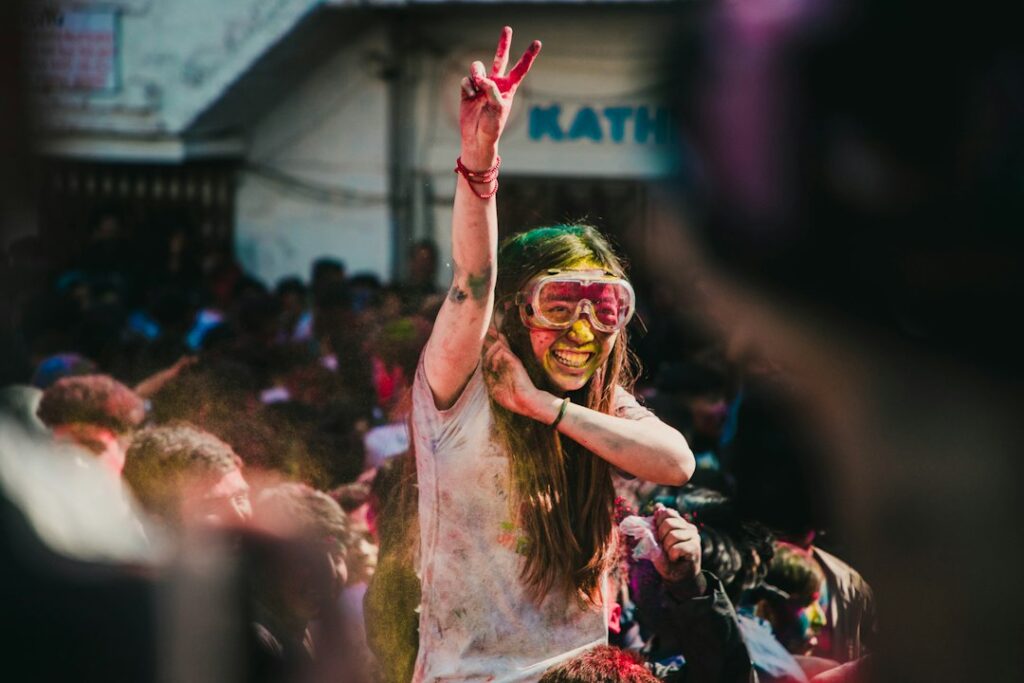
Flowers in the hair, bell-bottoms, fringe and loose, handmade-looking blouses: hippie style was built from secondhand and old-fashioned clothes in the first place, which makes it one of the most natural aesthetics to thrift.
Hippie style is the loose, colourful, nature-inspired look associated with the 1960s counterculture and its 1970s follow-on: bell-bottoms, fringe, tie-dye, peasant blouses and flowers worn in the hair. It is one of the decade-rooted looks in our Fashion Aesthetics Explained hub and a close relative of Boho Style. This guide covers where it came from, the key hippie clothes, outfits to try now and how to find them secondhand.
Where hippie style came from
The Online Etymology Dictionary dates “hippie” to about 1965, as American English slang from San Francisco’s Haight-Ashbury district. It notes an earlier, usually disparaging form from 1953, a variant of “hipster” (1941), which comes from “hip,” meaning up-to-date.
Haight-Ashbury became the centre of the 1967 “Summer of Love,” when, by common accounts, around 100,000 people travelled there. Hippies became known as “flower children” for handing out flowers, and a popular song of the time, by Scott McKenzie, told visitors to San Francisco to wear flowers in their hair.
The clothing itself is often described as drawing on 19th-century dress. One frequently repeated detail: San Francisco hippies bought up the costume stock of the closed Fox Theater. That idea of reusing old clothes is a big part of why hippie style suits thrifting so well. By August 1969, the Woodstock festival in Bethel, New York, drew more than 500,000 people, and the look was firmly in the mainstream.
In the early 1970s, the look flowed into what FIT’s fashion timeline describes as midi-length prairie dresses with flounces and florals, flared trousers and wide belts with big buckles. Our 60s Fashion and 70s Fashion guides cover both decades in more detail.
Key hippie clothes
| Piece | What to look for | Thrift tip |
|---|---|---|
| Bell-bottoms or flares | Fitted through the hip, wide from the knee | Denim and corduroy racks |
| Peasant blouse | Loose, gathered neckline, embroidery, light cotton | Women’s blouses; check embroidery |
| Maxi dress or skirt | Florals, paisley, tiered or flowing shapes | Dress and skirt racks |
| Fringe | Suede or leather vests, jackets and bags | Outerwear and handbag sections |
| Tie-dye | T-shirts, dresses, scarves | Easy to make yourself on plain cotton |
| Accessories | Headbands, beads, round sunglasses, flower crowns | Accessory bins |
| Shoes | Sandals, clogs, suede boots | Shoe racks |
Colours range from earthy browns, mustards and greens to bright psychedelic prints. Natural fabrics such as cotton, denim, suede and crochet carry the look best.
Hippie outfits to try
Flares and a peasant blouse
Flared jeans, an embroidered peasant blouse, a fringed bag and sandals. Add a thin headband or round sunglasses. A search for Womens Bell Bottom Flare Jeans on Amazon shows modern options if you cannot find vintage in your size.
Top-selling match on Amazon

- Styled With: Necklace, Simple Bangle, Clutch, Top, and Heel.
The maxi dress
A floral or paisley maxi dress with a suede or fringed vest, beaded jewellery and flat sandals. See How to Style a Maxi Skirt for more ideas with long skirts.
Tie-dye and denim
A tie-dye T-shirt with straight or flared jeans and a denim jacket. It is the most casual hippie outfit and works well for weekends or a festival.
Festival day
Denim shorts or a light dress, a crochet top or fringed vest, a flower crown and comfortable boots. Our Festival Outfits guide covers practical details like bags, layers and shoes for long days outdoors. For accessories, try Fringe Crossbody Bag Suede on Amazon.
Top-selling match on Amazon
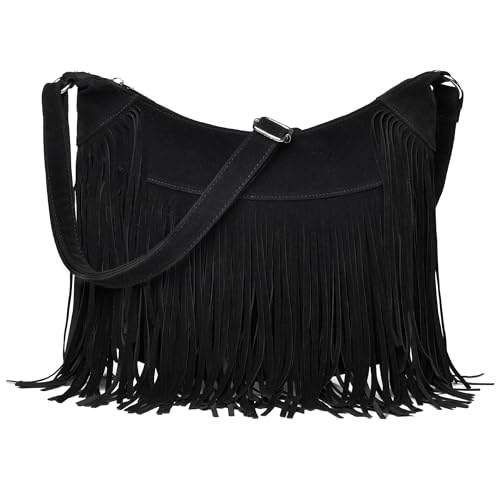
- Durable & Easy Care: Made of Durable, vintage vegan suede that meets the need of frequently everyday use…
- Multi-Way To Carry: After many times upgrade, our team improve the strap length to make this bag…
- Practical Structure: This multipocket crossover bag has 1 large main zipper compartment to prevent items…
Men’s hippie style
Flared or straight jeans, a loose patterned shirt or embroidered tunic, a suede jacket and boots or sandals. Beads and a headband are optional.
How to thrift hippie style
- Flares: check denim and corduroy racks for wide hems. Newer flares are far more common than true 1970s pairs, and that is fine for everyday wear.
- Blouses: look for embroidery, smocking and gathered necklines in the blouse section. Check the embroidery for loose threads.
- Suede and fringe: look at outerwear and bags. Check suede for bald patches and stiff, cracked areas.
- Dresses: long florals and paisleys in cotton or rayon turn up often, especially in summer.
- Jewellery: beaded necklaces and bracelets are cheap in accessory bins.
- Skip: costume-shop “hippie” wigs and shiny polyester sets; they look like fancy dress next to real cotton and suede.
Our guide on How to Find Vintage Clothing explains how to date older pieces if you want true 60s or 70s items.
Easy DIY hippie touches
Because hippie style grew out of reused and handmade clothing, a little DIY fits the look well. Tie-dye a plain thrifted cotton T-shirt or pillowcase-weight dress; add simple embroidery to the pocket of a denim jacket; sew a strip of patterned fabric into the side seam of straight jeans to turn them into flares. Natural cotton takes dye far better than polyester, so check the fabric label before you start.
Wearing hippie style every day
You do not need a full outfit. A pair of flares with a plain knit, a peasant blouse with straight jeans, or a fringed bag with an otherwise simple dress all give a hint of the look. Keep one or two clear references and let the rest be plain. Hippie and boho overlap a lot, so pieces from one often work in the other.
Caring for hippie clothes
Hand-wash embroidered blouses and crochet in cool water and dry them flat so the stitching and shape hold. Brush suede with a soft brush rather than washing it, and keep fringed pieces hung so the strands do not tangle. Hand-dyed tie-dye can bleed for the first few washes, so wash it separately in cold water.
Hippie style FAQ
What is hippie style?
Hippie style is the colourful, relaxed look of the 1960s counterculture and its 1970s follow-on, built on flares, peasant blouses, maxi dresses, fringe, tie-dye and flowers.
When did the word hippie appear?
The Online Etymology Dictionary dates it to about 1965, as Haight-Ashbury slang.
What is the difference between hippie and boho?
Hippie style is tied to a specific 1960s-70s counterculture. Boho is a broader, later fashion label that borrows many of the same pieces, such as flowing dresses, fringe and embroidery.
What did 70s hippie fashion look like?
Early-70s looks included flared trousers, midi-length prairie dresses with flounces and florals, and wide belts with big buckles, according to FIT’s fashion timeline.
Shop the look on Amazon
Everything you need to build a secondhand-style wardrobe, delivered. We may earn a commission on purchases.