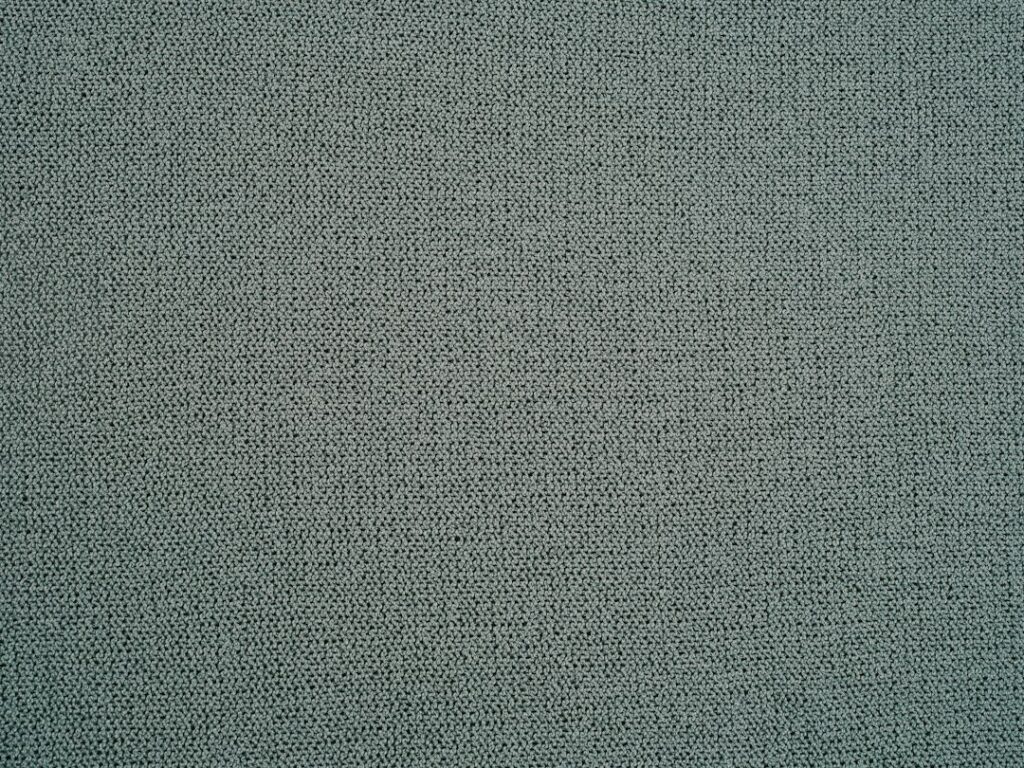
Modal shows up on the labels of soft T-shirts, pyjamas, underwear and loungewear, usually with a promise of softness. Here is what the fibre actually is, how it is labelled, how it compares with cotton and how to look after it.
What is modal fabric? In short, modal is a fibre made from wood-derived cellulose, and it belongs to the rayon family alongside viscose and lyocell. That family connection explains a lot about how modal behaves, how it should be washed and how it appears on US labels. Our What Is Rayon? The Family of Fibers Made From Wood Pulp guide covers the whole family; this page focuses on modal: how it is made, what the brands say about it, how it compares with cotton, what “micromodal” means, how to care for it and what to check when you find modal pieces secondhand.
Quick answer: what is modal?
Modal is a manufactured fibre made from regenerated cellulose, which makes it a type of rayon. US FTC rules have no separate “modal” generic name, so modal falls under the rayon framework. The best-known brand is TENCEL™ Modal from Lenzing, which says its modal fibres are derived from wood and known for long-lasting softness.
Where modal fits: the rayon family
To understand modal, start with rayon. Britannica describes rayon as an artificial textile material made of regenerated, purified cellulose from plant sources. It was developed in the late 19th century as a substitute for silk and was the first man-made fibre. The Science History Institute calls rayon “semisynthetic”, because it is made from chemically modified plant material rather than built from petrochemicals like polyester.
Modal is a regenerated-cellulose fibre, so it sits inside this family. That is an editorial way of grouping it based on how it is made; the important labelling point is covered in the next section. The family includes:
- Viscose. The ISO name for the main form of rayon. The FTC says either “viscose” or “rayon” may be used on labels. See our What Is Viscose? How It’s Made, How It Feels and How to Care for It guide.
- Lyocell. Under FTC rules, “lyocell” may be used for rayon made from cellulose precipitated from an organic solution, with no substitution and no chemical intermediates. TENCEL™ Lyocell is the best-known brand; see What Is Tencel (Lyocell)? The Fiber Explained.
- Modal. Another regenerated-cellulose fibre, most widely sold under the TENCEL™ Modal brand.
How modal is labelled in the US
This is the part most fabric guides skip. The FTC’s textile rules (16 CFR 303.7) define rayon as “a manufactured fiber composed of regenerated cellulose”. The same rule names lyocell as a term that may be used for one specific type of rayon. It does not list a separate generic name for modal.
The FTC also accepts generic fibre names from the international standard ISO 2076:2010(E), alongside its own list. That is how “viscose” and “elastane” appear on US labels, and it is the route by which “modal” names are used in international labelling. The practical takeaway for shoppers:
- A US label might say “modal”, “rayon” or a combination such as “modal rayon”.
- Modal is not a separate FTC fibre category. Treat it as a type of rayon.
- Brand names like TENCEL™ should appear alongside a generic name, not instead of one. TENCEL™ is a Lenzing brand name, not a fibre type.
If you see “bamboo modal” or a similar term, the FTC’s bamboo guidance applies. A product can only be called “bamboo” if it is made from mechanically processed bamboo fibre. Rayon made from bamboo must be labelled as “rayon made from bamboo” or with the correct generic name. The FTC also says finished rayon keeps no trace of the bamboo plant, so claims that it is naturally antimicrobial are problematic.
How modal is made
Britannica’s description of rayon manufacture gives the general shape of the process for regenerated-cellulose fibres:
- Cellulose is taken from a plant source. Britannica names soft woods or cotton linters for rayon in general; Lenzing says its TENCEL™ Modal fibres are derived from wood.
- The cellulose is purified.
- It is turned into a liquid solution.
- The liquid is pushed through a spinneret, a plate with tiny holes.
- The streams are converted back into solid cellulose fibre.
- The fibre is washed, finished, cut or kept as filament, and spun into yarn.
Exact chemistry and conditions vary between rayon types and between manufacturers, and those details are what separate viscose, modal and lyocell in practice. We have kept to the general outline above because the more technical claims you may read about modal (for example, specific strength-when-wet definitions or the particular tree species used) were not confirmed in the sources used for this guide.
Is modal synthetic or natural?
Neither, strictly. Modal starts from natural cellulose but is chemically processed and regenerated, which is why the Science History Institute’s word “semisynthetic” fits the rayon family well. It is not a plastic like polyester or nylon, and it is not a natural fibre in the way cotton or linen is.
What Lenzing says about TENCEL™ Modal
Because Lenzing is the most visible modal maker, much of what you read about modal comes from Lenzing itself. These are company statements, so we have labelled them as such:
- Lenzing says TENCEL™ Lyocell and Modal fibres are “derived from wood”.
- Lenzing says its Modal range has three fibres, used in both woven and knitted fabrics, and easy to blend with other fibres.
- Lenzing describes TENCEL™ Modal as “the original, known for long-lasting softness, moisture management and versatility”.
- Lenzing says the softness lasts “long into wear life and after multiple washes” and that the fibre has a “naturally dry feel”.
- Lenzing also offers a finer fibre called Modal Micro.
Lenzing also publishes environmental figures for its TENCEL™ fibres, including a claim that carbon emissions and water use are “at least 50% lower” than generic lyocell and modal, based on the Higg MSI. That is a company statement about its own branded fibres, not a statement about modal in general, so it should not be read as applying to every modal garment. The FTC’s Green Guides ask for specific, substantiated environmental claims; a hang tag that only says a modal piece is “green” gives you little to go on.
What is micromodal?
“Micromodal” is a term used for modal made from finer fibres. Lenzing’s version is called TENCEL™ Modal Micro, which the company describes as a finer member of its Modal family. Finer fibres generally make for thinner, smoother yarns, which is why micromodal appears in underwear, lightweight tees and sleepwear. The exact fibre fineness behind the word varies by producer, and we have not found an industry-wide definition, so treat “micromodal” on a label as a description from the brand rather than a regulated category.
How modal fabric feels and performs
Lenzing promotes modal for softness, moisture management and a dry feel. Beyond those company statements, the table below separates what is sourced from what is common observation.
| Feature | What to expect | Source or basis |
|---|---|---|
| Softness | Marketed as long-lasting softness after multiple washes | Lenzing (company statement) |
| Moisture | Marketed for moisture management and a “naturally dry feel” | Lenzing (company statement) |
| Blending | Used in woven and knitted fabrics and blends easily with other fibres | Lenzing (company statement) |
| Drape | Knits tend to be fluid and drapey, typical of rayon-family fabrics | Common observation |
| Stretch | Modal knits are often blended with spandex for recovery | Common observation (check label) |
| Pilling | Knits can pill at friction points, like most knits | Pilling references (friction tangles loose fibre ends) |
| Heat | Follow the iron symbol; low to medium heat is a common choice for rayon-family fabrics | Common method (no single source) |
| Price | Typically priced above basic cotton, below silk | Common observation |
Where you will find modal
- Underwear and bras. Often micromodal blended with spandex.
- T-shirts and tank tops. Soft jersey basics, sometimes cotton-modal blends.
- Pyjamas and loungewear. Drapey knit sets and robes.
- Bedsheets. Some jersey and sateen sheets use modal or modal blends.
- Dresses and wrap tops. Where a fluid drape matters.
For basics, you can browse Womens Modal T Shirt on Amazon options or Modal Pajama Set on Amazon styles; check the fibre percentages in the listing, since many products blend modal with cotton or spandex.
Top-selling match on Amazon

- Relaxed Fit: Pants: Relaxed fit through the hips, thigh and leg. Sits below the natural waist…
- Cotton Blend Comfort: Soft cotton-modal blend with stretch for flexible, all-day wear
- Pajama Set: Comfortable pajama set for restful sleep, perfect for relaxing at home
Top-selling match on Amazon

- Regular Fit: Close but comfortable fit with easy movement
- Cotton Modal Blend Jersey: Super soft cotton modal jersey with added stretch for all-day ease and comfort
- Essential T-Shirt: This versatile t-shirt is a classic wardrobe essential, perfect layered under your…
Modal vs cotton
“Modal vs cotton” is one of the most common questions about this fibre. Here are the trade-offs, without declaring a winner:
| Modal | Cotton | |
|---|---|---|
| Origin | Regenerated cellulose from wood (per Lenzing for TENCEL™ Modal) | Natural seed fibre from the cotton plant |
| Processing | Dissolved and re-formed into fibre, like other rayons | Cleaned and spun; no dissolving step |
| Feel | Marketed for softness and a smooth, drapey hand | Wide range, from crisp poplin to soft jersey |
| Structure | Knits tend to drape and cling more | Holds shape well in woven shirts and denim |
| Care | Often gentler cycles and lower heat; follow label | Usually tolerates warmer washes; follow label |
| Availability secondhand | Less common on thrift racks, mostly in newer basics | Everywhere |
Many shoppers pick modal for sleepwear and underwear and cotton for structured pieces and everyday tees, and many brands blend the two to get some of each. If you are comparing cotton to synthetics instead, see our Cotton vs Polyester guide.
Is modal breathable?
Lenzing promotes modal for moisture management and a dry feel, which is the claim most people mean when they ask this question. We could not find an independent, sourced breathability ranking that compares modal with cotton or other fibres, so we will not give you one. As with any fibre, breathability in a real garment depends on:
- Knit or weave. A thin, loose jersey moves air more easily than a dense sateen.
- Weight. Lightweight micromodal feels different from a heavy modal fleece-back.
- Blend. A modal-polyester blend behaves differently from a modal-cotton or modal-spandex one.
- Fit. Close-fitting garments trap more warmth than loose ones.
If you sleep warm or live somewhere humid, light, loose modal pieces are a common choice, alongside linen and cotton. Our What Is Linen? Flax Fiber, Feel and Care guide covers the flax option.
Modal vs viscose vs lyocell
All three are regenerated-cellulose fibres in the rayon family. The differences that matter on a label:
- Viscose is the ISO name for the main form of rayon, and the FTC says either name may be used. Britannica notes the American Viscose Corporation began US production in 1911. It is the most common rayon in fast fashion.
- Lyocell has its own FTC wording within the rayon definition: cellulose precipitated from an organic solution with no substitution and no chemical intermediates. Lenzing says its TENCEL™ Lyocell process recovers “more than 99.8% of the solvent” (a company statement).
- Modal has no separate FTC wording and is sold mainly through Lenzing’s TENCEL™ Modal range, which Lenzing promotes for softness.
In everyday wear, all three tend to drape well and need gentler care than cotton. Our What Is Viscose? How It’s Made, How It Feels and How to Care for It and What Is Tencel (Lyocell)? The Fiber Explained guides go further on each.
How to wash modal
Always follow the care label first. Under the FTC Care Labeling Rule, labels must say whether to wash by hand or machine and give a water temperature if regular use of hot water would harm the item. The steps below are a common method for modal and modal blends that allow machine washing; they are not an official procedure from any manufacturer.
What you need
- A gentle liquid detergent
- A mesh laundry bag for underwear and thin tees
- A drying rack or padded hangers
Machine washing, step by step
- Check the care label for cycle and temperature limits.
- Turn the garment inside out.
- Place underwear, bras and lightweight pieces in a mesh bag.
- Wash with similar colours and lightweight items, away from towels and jeans.
- Choose a gentle or delicate cycle with cool water, within the label’s limit.
- Use a small amount of gentle detergent.
- Remove promptly when the cycle ends.
Washing inside out on a gentle, cold cycle also matches the pilling-prevention advice in our care sources. You can find Mesh Laundry Bags For Delicates on Amazon if you do not already have them.
Hand washing modal
- Fill a basin with cool water.
- Stir in a small amount of gentle detergent.
- Submerge the item and swish gently for a few minutes.
- Drain and rinse in clean, cool water.
- Press water out without wringing.
- Roll in a towel to absorb extra moisture.
- Lay flat or hang to dry, depending on the label.
Our How to Hand Wash Clothes (Delicates, Wool and Dresses) guide has more detail on basin washing.
Drying modal
Line drying or flat drying is a common method for modal knits because it reduces friction and heat. If the label allows the dryer, a low setting is the usual choice. High heat and long cycles add friction, which our care sources link to pilling. Clean the lint screen after every load, as the U.S. Fire Administration reports failure to clean was the leading factor in residential dryer fires in its 2008 to 2010 data.
Ironing modal
Most modal knits are worn without ironing. If you need to press a modal shirt or dress, check the iron symbol first. ISO/GINETEX dots are commonly summarised as one dot about 110 °C, two dots about 150 °C and three dots about 200 °C. A common method is to iron inside out at the setting the label allows, with a pressing cloth, while the fabric is very slightly damp. If you would rather skip the iron, our How to Get Wrinkles Out of Clothes Without an Iron guide covers shower steam and other options.
Pilling and wear on modal
Like any knit, modal can pill where it rubs: under the arms, along the sides of tees and at the seat of loungewear. Pills form when loose fibre ends on the surface tangle together under friction. If a modal blend includes polyester, our care sources note that strong synthetic fibres anchor pills so they do not fall off, which can make blends more persistent.
- Lay the garment flat.
- Glide a fabric shaver lightly over the area, or use a sweater comb in one direction.
- Lint-roll away the loose fibres.
See our How to Remove Pilling From Clothes (and Stop It Coming Back) guide for more detail.
Stains on modal
Treat stains early and gently. General principles from our care sources: check the care label, test any product on an inconspicuous spot first, and do not machine dry until the stain is gone, because drying can set it. Dry-clean-only items should go to a professional cleaner. Avoid harsh scrubbing, which can roughen the surface of a soft knit. If you use bleach on white modal, follow the label’s bleach instructions exactly, and never mix bleach with ammonia, vinegar or other cleaners; Poison Control warns that these combinations make toxic gases. No method can promise a stain will come out completely.
Thrifting modal: what to check on the label
Modal is less common on thrift racks than cotton or polyester, but it turns up in newer basics, sleepwear and loungewear. These checks help:
- Read the fibre line. Look for “modal”, “rayon” or “modal rayon”. A brand name like TENCEL™ should be paired with a generic fibre name.
- Note the blend. Modal-cotton, modal-spandex and modal-polyester all behave differently in the wash.
- Watch the bamboo wording. Per the FTC, rayon made from bamboo should be labelled as such. Older or imported labels may not follow the rule.
- Inspect friction points. Check underarms, side seams and cuffs for pilling.
- Check the stretch. Gently pull the hem and cuffs; if a modal-spandex piece stays baggy, the stretch fibre may be worn out.
- Look for thinning. Hold thin knits up to the light to spot worn patches.
- Wash before wearing. Clean secondhand pieces according to the label before you wear them.
New to secondhand shopping? Our What Is a Thrift Store? How It Works and Why It Matters guide explains how stores sort and price stock, and our Affordable Sustainable Fashion looks at building a closet that lasts.
Shop the look on Amazon
Everything you need to build a secondhand-style wardrobe, delivered. We may earn a commission on purchases.
FAQ
What is modal fabric made from?
Modal is made from regenerated cellulose. Lenzing says its TENCEL™ Modal fibres are derived from wood. The cellulose is dissolved and re-formed into fibre, as with other rayons.
Is modal the same as rayon?
Modal is a type of rayon. The FTC defines rayon as a manufactured fibre of regenerated cellulose and does not give modal its own generic name, so modal is labelled within the rayon framework.
Is modal better than cotton?
Neither is better for everything. Modal is marketed for softness and drape and is popular for sleepwear and underwear; cotton is natural, widely available and holds structure in woven pieces. Many garments blend the two.
Is modal breathable?
Lenzing promotes TENCEL™ Modal for moisture management and a dry feel. There is no independent ranking in our sources, and breathability in practice depends on the knit, weight, blend and fit.
What is the difference between modal and micromodal?
Micromodal is modal made from finer fibres. Lenzing sells a finer version called Modal Micro. The word is a brand description rather than a regulated category.
Does modal shrink?
Rayon-family fabrics can be sensitive to heat and agitation, so many labels call for cool water and gentle cycles. Follow the label; our How to Prevent Clothes From Shrinking in the Wash guide has general tips.
Is modal environmentally friendly?
That depends on the specific fibre and claim. Lenzing publishes figures for its TENCEL™ fibres as company statements. The FTC’s Green Guides ask for specific, substantiated claims, so look for a named attribute and source rather than a general green label.
Is bamboo modal the same as modal?
Under FTC guidance, fibre made from bamboo through a chemical process is rayon and should be labelled “rayon made from bamboo” or with the correct generic name. The FTC says finished rayon keeps no antimicrobial properties from the bamboo plant.
The short version
Modal is a wood-derived, regenerated-cellulose fibre in the rayon family. US FTC rules have no separate modal category, so it is labelled within the rayon framework, and TENCEL™ Modal is a Lenzing brand rather than a fibre type. Lenzing promotes it for softness, moisture management and a dry feel, and its finer Modal Micro is behind many “micromodal” labels. Wash modal inside out on gentle and cool, dry it low or flat, and check blends, stretch and pilling when you thrift it. For the rest of the family, head to our What Is Rayon? The Family of Fibers Made From Wood Pulp guide.