ASOS is a UK-founded online fashion marketplace, founded 2000, originally called “AsSeenOnScreen.” It now carries 850-plus brands plus its own ASOS Design line, ships globally, and is publicly listed on the AIM market in London.
If you searched “what is ASOS,” you are likely a US shopper running into the brand for the first time through a friend’s haul, an Instagram ad, or a Reddit thread comparing online fashion brands. Fair question, the brand is genuinely less household-name in the US than it is in the UK or Australia. We have tracked ASOS for Tumbleweed Thrift readers across two-plus years of US-side ordering, and the short version is: ASOS is one of the most-established online fashion brands in the world, with a real public listing, a 24-year operating history, and a multi-brand catalog that puts most US-native fast-fashion DTCs to shame on breadth. The trade-offs are real too. This review covers what ASOS actually is, what you can buy there, where it sits in the broader fast-fashion DTC landscape, and who should shop it. The Fast Fashion Dtc hub maps the full brand-by-brand comparison.
ASOS at a glance
Founded in 2000 in London by Nick Robertson and Quentin Griffiths, the brand started with a literal premise: sell clothing styled like the pieces seen on celebrities and TV characters. Hence “AsSeenOnScreen,” shortened to ASOS as the catalog grew beyond celeb-look-alikes into genuine multi-brand fashion retail. Today, ASOS plc is publicly listed on the London AIM market, ships to 200-plus countries, and runs major fulfillment centers in the UK, Germany, and the US (Atlanta). The brand owns Topshop, Topman, Miss Selfridge, HIIT, and shares retail rights with Monki and Weekday since the 2021 Topshop acquisition. ASOS Design is the in-house line, and it sits alongside the 850-plus carried brands as the entry-tier own-brand option.
What you can actually buy at ASOS
Three buying lanes exist on the same checkout. First, the multi-brand shop, which carries Topshop, Topman, Monki, Weekday, plus 800-plus other brands ranging from Tommy Hilfiger and Polo Ralph Lauren and Levi’s at the mid tier through Carhartt WIP, Stüssy, and designer-tier denim at the premium tier. Second, ASOS Design own-brand, which is the entry-tier dresses, denim, tops, and going-out wear at $15 to $80 typical pricing. Third, ASOS Marketplace, which is a curated marketplace of vintage shops and indie designers operating their own storefronts inside the ASOS infrastructure. ASOS Curve, Tall, and Petite are size-extension sub-lines available across most ASOS Design pieces and a portion of carried brands. The full US-side breakdown sits in ASOS US.
ASOS Design, the own-brand line
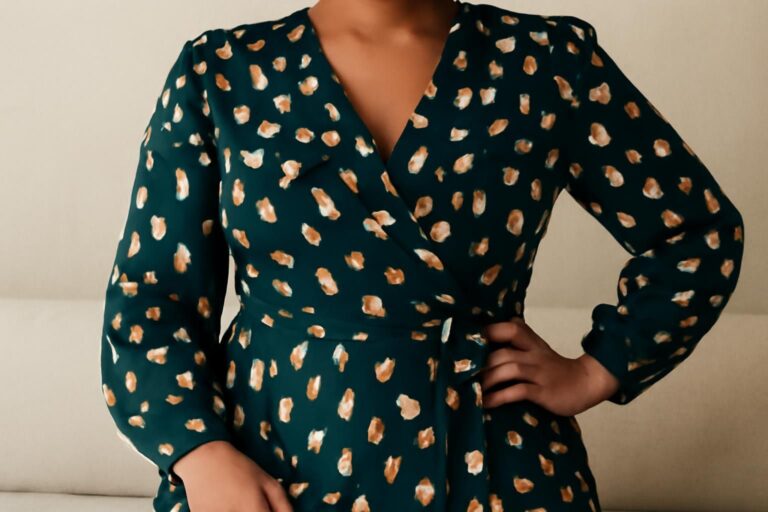
ASOS Design is the in-house line and the closest analog to Princess Polly’s own catalog or Boohoo’s own catalog. Pricing typically runs $15 to $80, with occasion dresses and standout statement pieces topping out higher. The catalog is broad: dresses, denim, tops, knitwear, going-out wear, suiting, swim, activewear, and accessories. Quality is fast-fashion-typical, meaning some pieces deliver beyond their price and some pill or warp after a handful of washes. The dress category tends to be the line’s most consistent. Plus, Tall, and Petite extensions on ASOS Design are real pattern adjustments, not just XL-relabeling on a straight pattern. For a deeper look at ASOS Design quality across categories, Is ASOS Good Quality does the breakdown.
ASOS Marketplace, what it is
ASOS Marketplace is a separate marketplace inside ASOS that lets vintage shops and indie designers operate storefronts. Inventory skews UK-side because the marketplace originated there, but US-based vintage shops and indie designers participate too. Pricing varies wildly because each seller sets their own rates. Returns can be slower than the main ASOS catalog because items ship from individual seller warehouses, not from ASOS’s central fulfillment. Some sellers charge their own restocking or return-shipping fees. Treat Marketplace items as a different shopping experience from the main ASOS Design or carried-brand catalog: read the seller’s specific return policy on the listing page, and check seller reviews before buying. For shoppers who want vintage and indie inside a familiar checkout, the Marketplace is a real value-add. For shoppers who want quick standard returns, stick to the main catalog.
ASOS sizing, Curve, Tall, and Petite
The size-extension lines are one of the strongest reasons US shoppers choose ASOS over Princess Polly or Boohoo. ASOS Curve sizes 14 to 26 with genuine plus pattern grading, the broadest plus assortment of any of the major fast-fashion DTCs. ASOS Tall is a real inseam grading for 5 feet 9 inches plus heights, with longer torsos and adjusted sleeves. ASOS Petite is a real rise grading for under 5 feet 4 inches with shortened inseams and torsos. All three are pattern adjustments, not labels slapped on standard cuts. For shoppers who fall outside straight-size grading, that grading work matters. The trade-off is that the size-extension assortment is narrower than the straight-size catalog, so a specific dress may not exist in your size extension. The Plus-Size Contemporary Fashion hub maps the broader plus-size landscape if ASOS Curve does not cover your needs.
ASOS for men
ASOS Men’s is a substantial assortment, drawing from 850-plus brands plus ASOS Design Men own-brand. The catalog covers casual, smart, streetwear, suiting, and activewear. Topman, now ASOS-owned since 2021, sits inside ASOS Men’s as one of the strongest sub-brands. Sizes typically run XS to XXXL across most pieces, with Tall extensions on select brands. Pricing tiers from $15 to $50 entry (ASOS Design Men, Boohoo Men), $50 to $150 mid (Topman, Tommy Hilfiger, Levi’s, Polo at ASOS), and $150 to $500-plus premium (Carhartt WIP, designer denim, premium outerwear). Full breakdown in ASOS Men.
ASOS pricing tiers
Pricing varies wildly because the platform spans entry-tier own-brand through premium-tier carried brands. ASOS Design entry pieces start around $15 for basics and run to $80 for occasion dresses. Mid-tier carried brands (Topman, Tommy, Levi’s, Polo) sit at $50 to $150 typical. Premium-tier carried brands (Carhartt WIP, Stüssy, designer outerwear) climb to $150 to $500 plus. Sale culture is consistent across the platform, with Black Friday and end-of-season clearance pulling 40 to 70 percent off across most categories. ASOS Premier subscription is the brand’s annual unlimited-Express-shipping membership, math’d out in ASOS Promo and ASOS Free Shipping.
Where ASOS ships and customer service
ASOS ships to 200-plus countries from regional fulfillment centers. The US warehouse handles US orders for in-stock items, with UK fulfillment as a backup for UK-exclusive or marketplace items. Customer service is UK-time-zone primary, with US-side chat and email coverage but occasional time-zone friction during US-evening hours. Returns route to the US-side warehouse for US customers, not back to the UK. The full shipping and returns breakdown sits in ASOS Free Shipping.
ASOS vs Boohoo vs Princess Polly
Three different jobs. ASOS is the multi-brand variety play, broadest catalog, real size extensions, premium-tier access. Boohoo is the cheap-and-fast play, $10 to $50 typical, broad plus assortment, fastest trend turnaround at the lowest price tier. Princess Polly is the clean-trend single-brand play, $30 to $90 typical, fastest US shipping, cleanest UX. The right answer depends on the specific purchase. For a wedding-guest dress at the $50 mark, ASOS Design or Lulus is the move. For an ultra-cheap going-out top, Boohoo. For a festival mini-dress with cleaner branding, Princess Polly. The Fast Fashion Dtc hub maps when each brand wins.
ASOS history and ownership
The brand’s 24-year history is part of what separates it from the newer DTCs that emerged in the social-media era. ASOS launched in 2000 as a tiny operation selling celebrity-styled clothing, IPO’d on the AIM market in 2001, and grew through the 2000s and 2010s into a global multi-brand catalog. The Topshop and Topman acquisition in 2021 was the major milestone of the recent decade, bringing two of the most-recognized UK high-street brands fully into the ASOS catalog after Topshop UK stores closed in 2020. The brand has weathered the broader fast-fashion contraction of 2022 to 2024 with cost-cutting and warehouse consolidation, including layoffs and reduced inventory across some categories. The current operating model emphasizes profitable growth over the catalog-expansion model of the 2010s. For US shoppers, this matters mostly because the brand’s US warehouse in Atlanta is now a more central piece of the operating model than it was five years ago, which is one reason US shipping speeds have improved over recent windows.
Where ASOS sits in the broader fast-fashion landscape
The fast-fashion DTC field splits across three rough tiers. Ultra-cheap (Shein, Cider, Romwe, AliExpress) at $5 to $30 with the most documented quality and ethics issues. Mid-cheap (Boohoo, PrettyLittleThing, Nasty Gal, Fashion Nova) at $10 to $80 with fast-fashion-typical quality and broad assortment. Trend-mid (Princess Polly, Lulus, Hello Molly, ASOS Design) at $30 to $150 with cleaner UX and slightly better QC on most reviewed items. ASOS sits in a unique cross-tier position: ASOS Design own-brand at the trend-mid tier, carried mid-brands (Tommy, Polo, Levi’s) at the mid-tier and premium-mid tier, and premium-tier carried brands (Carhartt WIP, designer denim) at the premium tier. No other US-accessible fashion DTC consolidates this many tiers under one checkout. The full landscape map sits in Websites Like Shein for the ultra-cheap alternatives and Websites Like Fashion Nova for the mid-cheap alternatives.
Shop the look on Amazon
Everything you need to build a secondhand-style wardrobe, delivered. We may earn a commission on purchases.
FAQ
Is ASOS a US company?
No. ASOS is UK-founded, headquartered in London, and publicly listed on the AIM market. The US storefront (us.asos.com) is a regional localization with US-side fulfillment, not a separate company.
What does ASOS stand for?
“AsSeenOnScreen,” the brand’s original 2000 concept of selling celebrity-and-TV-styled clothing. The full name was retired as the brand expanded beyond the celeb-look-alike model.
Is ASOS just a marketplace or does it have its own brand?
Both. ASOS Design is the in-house line at $15 to $80 typical pricing. ASOS also carries 850-plus other brands at varying tiers. ASOS Marketplace is a separate vintage and indie marketplace inside the main site.
How is ASOS Design quality?
Fast-fashion-typical. Some pieces deliver beyond their price, some pill or warp after a handful of washes. Dresses tend to be the most consistent. Read item-level reviews. Full breakdown in the quality verdict article.
Does ASOS sell to the US?
Yes, via us.asos.com with US-side fulfillment for most items. UK-fulfilled items still ship to US addresses but with longer delivery times. USD pricing on the US storefront.
The verdict
ASOS is the broadest fashion DTC for shoppers who want multi-brand variety plus real Curve, Tall, and Petite extensions plus access to premium-tier brands at a single checkout. Skip ASOS if you only want one trend look fast, Princess Polly or Lulus is faster on US shipping. Skip ASOS Design own-brand if you need pieces that last 20-plus wears, the quality is fast-fashion-typical. Browse the ASOS Design catalog: Asos Design Dress on Amazon or for men: Asos Men on Amazon.