Most vintage denim conversation defaults to Levi’s, and Levi’s is the right default — but treating Levi’s as the only worthwhile vintage jeans brand leaves real value on the table. Wrangler, Lee, GWG, and a few lesser-known American workwear labels made jeans that deserve your closet space too.
A sensible vintage rotation still leans on Levi’s, with Wrangler and Lee filling in different silhouettes and the odd off-brand thrift find adding character. This piece is a straight brand-by-brand read — what each one does well, what the market gets wrong, and where your money goes furthest. For the Levi’s deep-dive, Vintage Levi’s is the anchor, and the Brand Guides hub covers the wider pillar.
Levi’s — the default for good reason
Top Vintage Jeans Brand picks on Amazon
As an Amazon Associate we earn from qualifying purchases. Prices and availability are accurate as of November 2026 and may change. Specs are as stated in each Amazon listing.

- Sits Lower on Waist
- Slim Seat

- REGULAR FIT. This classic five-pocket jean is constructed with a regular fit through the seat…
- DURABLE MATERIALS. Made with durable flex denim, these jeans are built to last and will allow…

- Mid rise with a relaxed fit and straight leg
- Zip fly with button closure
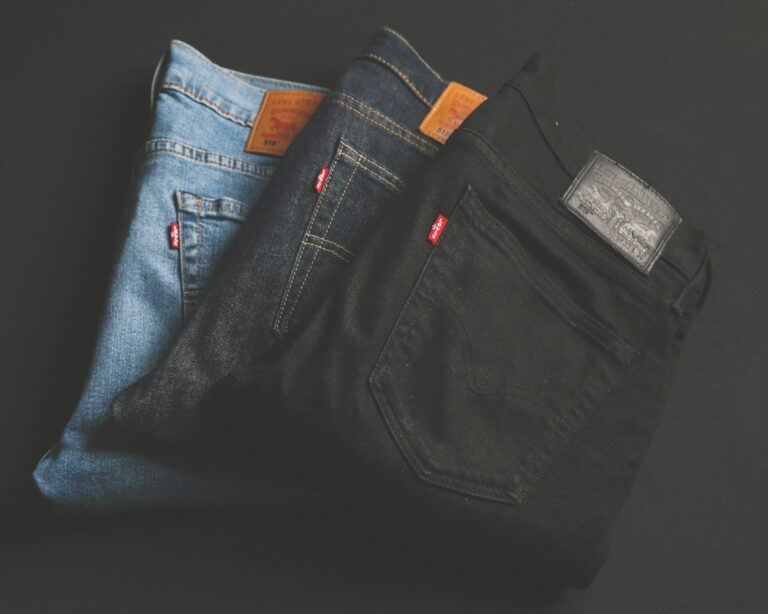
Levi’s dominates the vintage jeans brand conversation because they were the dominant American denim producer for most of the 20th century and because their construction, tabs, and dating systems are the most documented. The 501, 505, 517, 550, and 519 cuts each have distinct vintage silhouettes, and the resale ecosystem (eBay, Poshmark, Depop, shops) knows how to price and describe them.
Strengths: a long history with Cone Mills, which supplied Levi’s denim from around 1915 until its White Oak plant closed in 2017; consistent sizing across decades; well-documented dating tells (tab, patch, care tag, stitching); highest resale liquidity if you want to resell later.
Weaknesses: Because Levi’s is the default, you pay a brand premium. A 1993 Levi’s 501 typically costs noticeably more than a 1993 Wrangler 13MWZ in comparable condition, despite the Wrangler being just as wearable.
Best value cuts: 90s 550 and 505 — same era construction as 501s but priced much lower because they aren’t the flagship.
Wrangler — the underrated bargain
Wrangler vintage is the single best value in American vintage denim. The 13MWZ (cowboy cut, 1947-present) is a genuinely great jean that most fashion-focused buyers ignore. 70s and 80s Wranglers are the obvious second brand for anyone who already owns 501s and wants a different straight leg.
Strengths: Heavy denim, often Cone Mills supplied alongside Levi’s; durable construction; excellent fit for anyone wanting a straight-leg with a slightly rodeo silhouette; usually priced well below comparable Levi’s pairs.
Weaknesses: The sizing system differs from Levi’s — a Wrangler 32×34 is cut differently from a Levi’s 32×34. Need to read measurements carefully. Also, some Wrangler fits have a more “western” feel (higher rise, slightly flared through the leg on 20X models) that isn’t to everyone’s taste.
Best value cuts: 13MWZ cowboy cut — the iconic Wrangler silhouette; 936DEN — similar with small variations; older 945DEN — looser fits.
Dating tells: The “W” stitching on the back pockets is the flagship tell. Leather patch vs fabric patch indicates era. Sanforized marking on the pocket bag also dates roughly. Less documented than Levi’s, so bring more patience to authentication.
Lee — the quiet classic
Lee is the third American denim giant and makes vintage jeans that deserve more love than they get. The 101 (cowboy, late 1920s design) and the Rider jacket are the core Lee legacy pieces. Lee’s construction quality is on par with Levi’s, and they were early innovators — the first zip-fly jean (Lee 101Z), the first true western-styled workwear.
Strengths: Cone Mills denim in some eras; beautiful fade patterns; slim-straight silhouettes that modern fashion finds flattering; usually underpriced vs. Levi’s.
Weaknesses: Less documentation for dating tells. Some Lee production moved offshore earlier than Levi’s, so “USA Made” Lee pairs are harder to confirm. Construction quality dipped in the 2000s faster than Levi’s did.
Best value cuts: 101-B (boot cut, 70s flagship); Riders (various iterations, mostly straight leg); 101Z — the zip-fly 101.
Dating tells: Hair-on-hide leather patch on older pairs; inner pocket tag with care codes; lazy-S stitching on the back pockets. The Lee logo script font has changed multiple times and can narrow dating.
GWG (Great Western Garment) — Canadian niche
GWG was a Canadian workwear brand that produced denim through much of the 20th century before being absorbed by Levi Strauss in the 70s (and discontinued in 2004). GWG vintage jeans are interesting for a few reasons: they’re genuinely Canadian-made (which matters to some buyers), they share construction DNA with Levi’s in the post-acquisition era, and they’re priced low because the brand name doesn’t carry on resale.
Strengths: Price (usually $25–$55 for wearable vintage); heavy denim; genuine North American production; distinctive character for people who want something other than Levi’s.
Weaknesses: Almost no resale value if you need to sell later; hard to date because documentation is thin; sizing inconsistency across eras.
Best value cuts: GWG “Scrubbies” (workwear straight leg); GWG 99 (cowboy cut analog).
Big Smith, Roebucks, Penney’s — the old American workwear tier
These are second-tier American brands that made real denim in the 40s–70s for working men. Big Smith was a St. Louis brand. Roebucks was Sears’ house denim. J.C. Penney’s “Foremost” line was workwear staples. Montgomery Ward’s denim went under various names.
Strengths: Very cheap (usually $15–$40 at thrift); heavy vintage denim with real character; worn by actual working Americans, which gives an honest fade you don’t always see on preserved-in-a-closet pairs; fascinating history if you care about that.
Weaknesses: Sizing is often inconsistent; construction varies from “excellent” to “quickly-produced”; zero resale value; unlikely to be recognized by anyone you meet.
Who should buy: People who want vintage for the feel and the history, not the brand signaling. If you’re shopping vintage Levi’s for status, skip these. If you’re shopping vintage for the fabric, these are often the best deal on the rack.
Japanese vintage and reproduction denim
Different category, but worth mentioning: brands like Sugar Cane, Studio D’Artisan, Momotaro, Samurai, Full Count, and Iron Heart make reproduction denim modeled on specific vintage American silhouettes. These aren’t vintage jeans themselves — they’re new production, often made in Japan, using heritage techniques to produce the kind of denim American mills stopped making in the 90s.
These are excellent jeans and worth knowing about, but they’re priced new ($250–$500+) and aren’t part of the vintage market per se. If someone is selling “vintage Japanese denim” on Poshmark, it’s probably a Sugar Cane or similar that was bought new in 2015, not vintage in the way that term is typically used.
Brands to skip on the vintage market
No-name mall brands from the 90s. JNCO, Bongo, No Excuses, various JC Penney house brands — these are “vintage” chronologically but the construction isn’t great and they’re nostalgic novelties more than wearable denim.
Guess, Calvin Klein, Tommy Hilfiger 90s pairs. The construction is fine but nowhere near Levi’s or Wrangler. These work for a specific retro look (especially CK’s 90s logo pieces) but aren’t worth Levi’s-level prices.
Contemporary “vintage-inspired” brands. Madewell, AG, Citizens of Humanity make new jeans with vintage aesthetics. These aren’t vintage jeans brands, despite sometimes being stocked in vintage-y shops.
How to shop across vintage jeans brands
A practical approach:
Start with fit, not brand. If you know you want a straight-leg high-rise jean, you have Levi’s 501, Wrangler 13MWZ, and Lee 101 as the three main candidates. Compare them before defaulting to the Levi’s name.
Compare sold comps across brands. Check eBay sold listings for a 90s Wrangler 13MWZ and a 90s 501 in the same size and condition. The 501 will usually sell for more. Both are great jeans; the difference is largely the name.
Build a rotation across brands. A six-pair rotation could look like this: two 501s (classic straight), two 550s (relaxed), one Wrangler 13MWZ (slightly different straight feel), one Lee 101 (slightly different silhouette again). That gives actual variety instead of five slightly-different pairs of Levi’s.
Trust your hand over the patch. Heavy denim that feels good in your hand is heavy denim that feels good on your body. A heavier vintage Wrangler can feel more substantial than a lighter modern Levi’s, regardless of brand name. Learn what good fabric feels like and stop overpaying for logos.
Where to shop for each brand
Levi’s: eBay, Poshmark, thrift. Vintage Levis on Poshmark and Vintage Levis 501 on Amazon are good starting points.
Wrangler: eBay is the best. Poshmark underserves western/workwear. Thrift stores in ranching regions are worth checking, since working Western wear ends up donated locally.
Lee: eBay and thrift. Fashion resale (Depop) has started catching on to Lee, so prices are climbing.
GWG and niche workwear: Canadian eBay (Kijiji and Facebook Marketplace in Canada if you’re north), US thrift stores randomly. Not a search you plan; a search that finds you.
What each brand typically costs
Exact prices swing with size, decade, and condition, so check sold comps for your size. As a rough order from most to least expensive:
– Vintage Levi’s 501: the top of the market for wearable pairs
– Vintage Levi’s 550/505: a step down from the 501
– Vintage Lee 101: often below comparable Levi’s
– Vintage Wrangler 13MWZ: often lower still
– Vintage GWG: cheap because the name doesn’t carry
– Vintage Big Smith / off-brand: usually the cheapest on the rack
Across all brands, the fabric quality is comparable. The brand premium on Levi’s is real and somewhat fair (because of documentation and community), but it’s not 100% fair — Wranglers are genuinely underpriced.
The verdict
Levi’s is still the dominant vintage jeans brand because their construction, documentation, and resale liquidity is unmatched. But if you’re buying to wear and not to collect, Wrangler vintage is the most underrated bargain in American denim, and Lee is a close second. Mix brands to build a rotation with actual variety. Don’t overpay for the Levi’s red tab if a Wrangler 13MWZ gives you a nearly-identical fabric experience for less. And ignore the no-name 90s mall brands unless you have a specific nostalgia reason. A cross-brand rotation gives you more variety than an all-Levi’s closet. For specific Levi’s buying, Best Price for Vintage Levi’s Jeans covers pricing discipline and How to Identify Vintage Levi’s covers authentication.
Shop the look on Amazon
Everything you need to build a secondhand-style wardrobe, delivered. We may earn a commission on purchases.
FAQ
What’s the best vintage jeans brand besides Levi’s?
Wrangler. The 13MWZ cowboy cut is a genuinely excellent jean that usually sells for less than comparable Levi’s pairs. Lee is close behind with the 101 line.
Are vintage Wranglers as good as vintage Levi’s?
The fabric and construction are comparable. The silhouette is slightly different — Wranglers skew western with a higher rise and slightly more tapered leg. It’s a matter of fit preference, not quality.
Is vintage Lee underrated?
Yes. Lee had high-quality production through the 70s and 80s, and vintage Lee 101s sell for less than comparable Levi’s despite being in the same quality range. The brand has less fashion cachet, which is why the price is lower.
What about vintage Guess or Calvin Klein?
Skip them unless you want the specific 90s aesthetic. The construction isn’t comparable to Levi’s, Wrangler, or Lee, and they’re often priced like Levi’s on the basis of nostalgia rather than quality.
How do I tell vintage Wrangler decade?
The patch (leather pre-70s, fabric 70s+), the back pocket W stitching variations, the inner tag format, and the fabric weight. Less documented than Levi’s, so cross-reference with collector forums if dating matters for your purchase.
Which brands make new jeans in an authentic vintage style?
Japanese reproduction brands such as Sugar Cane, Studio D’Artisan, Momotaro, Samurai, Full Count and Iron Heart make new jeans modeled on specific vintage American silhouettes, using heritage techniques. They are priced new, around $250–$500+, and are not part of the vintage market itself. Contemporary brands such as Madewell, AG and Citizens of Humanity make new jeans with a vintage aesthetic, but those are vintage-inspired fashion denim rather than reproductions.