Shoes are the riskiest category to buy on ThredUp. They can still be a good buy, but only in specific styles and condition grades.
Secondhand footwear needs more scrutiny than secondhand clothing: a shoe carries its previous owner’s foot shape, wear pattern and hygiene history in ways a shirt doesn’t. Here’s a working rule set for ThredUp shoes, what to look for, and what to walk away from. For the platform context, the Brand Guides hub has the full resale comparison.
Why shoes are the hardest ThredUp category
Three reasons, in order of importance:
Feet are personal. Shoes mold to the previous wearer’s foot shape — arch, toe spread, pronation. A broken-in shoe that fit them perfectly often fits you badly, even in your exact size. This is especially true for leather dress shoes, which shape themselves permanently to the wearer over time.
Condition is hard to photograph. Sole wear, insole compression, and upper creasing all look different in person than in ThredUp’s standard photo setup, so some wear only becomes obvious when the box is opened.
Hygiene is a real concern. Shoes hold moisture and bacteria in ways clothing doesn’t. Unlike a dress you can toss in the wash, shoes don’t fully reset. Does Thredup Wash Clothes covers the hygiene model across categories, and it applies doubly here.
What tends to work and what doesn’t
Lower-risk buys:
- Simple heels or flats listed “Like New” whose photos genuinely show little wear on the sole and footbed.
- Birkenstock-style cork footbed sandals in “Very Good” or better, since the footbed is designed to mold to the wearer over time.
- Sneakers like Nike Air Force 1s with clean uppers and minimal sole wear, the safest shoe category.
Common reasons secondhand shoes go back:
- Ankle boots whose inner lining shows footprints and a permanent arch depression the photos didn’t make clear.
- Loafers stretched by a wider foot, which then slip in the heel cup.
The lesson:
- Asymmetric insole compression can feel fine for a few minutes and only become obvious after an hour of walking. Wear new-to-you shoes around the house right away, because returns must be postmarked within 14 days of delivery and each returned item carries a $3.99 restocking fee.
What to buy in ThredUp shoes
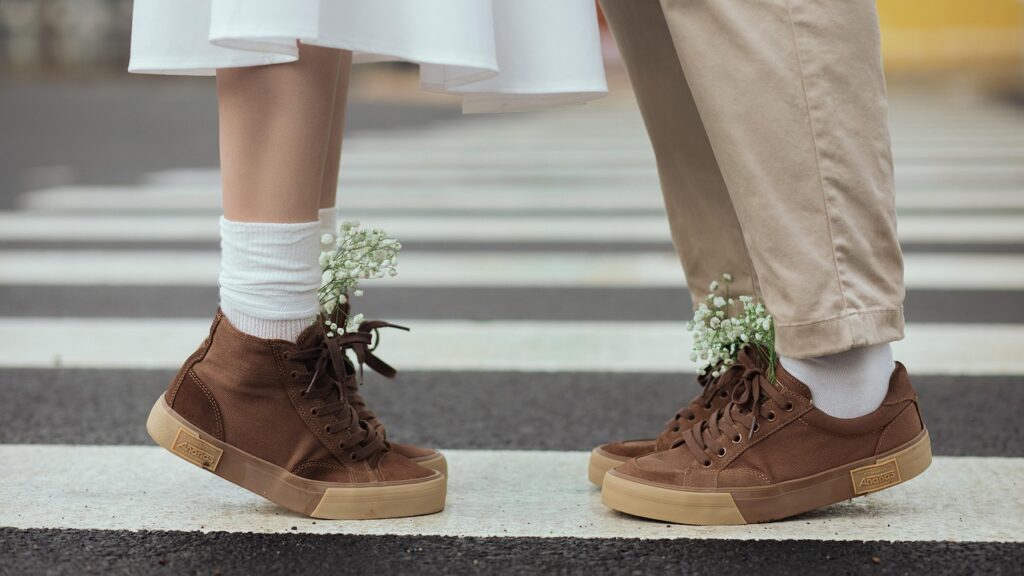
Sneakers, if they’re nearly unworn. Sneakers resist molding in the ways dress shoes don’t. If a pair is listed “Like New” or “Excellent” and the soles show minimal wear in photos, the fit risk is low. Nike, Adidas, Vans, and Converse are widely available and their sizing is well documented.
Birkenstocks. The cork footbed resets to a new foot over a few weeks of breaking in. Used Birks are worth actively hunting on ThredUp because they age well and the price delta versus retail can be worth it.
Unworn-looking mules and slides. Structureless slip-on footwear doesn’t mold the way closed shoes do. Low risk.
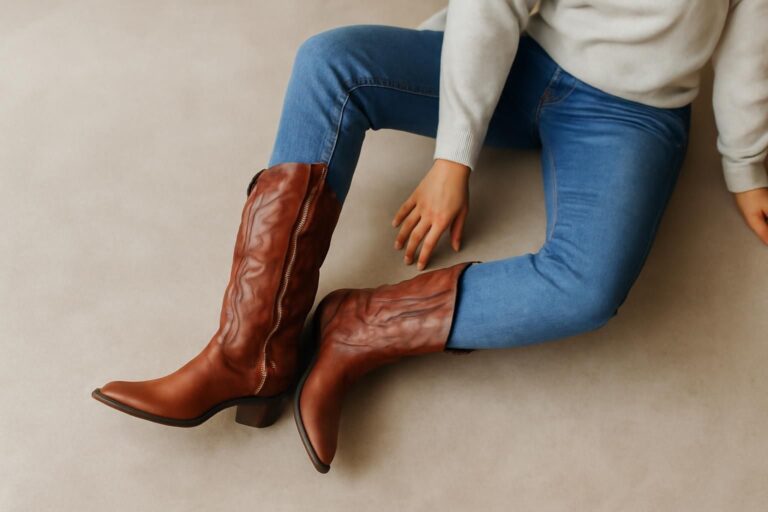
Boots, selectively. Knee-high and ankle boots with clean shafts, minimal sole wear, and no visible footbed compression can work. But only from brands you know, in conditions grade Excellent or better.
What to skip
Leather dress shoes and loafers. These mold fastest to the original owner. Unless the listing is genuinely “New with Tags,” skip them.
Running shoes. Midsoles compress over miles. A pair that looks fine visually may have dead foam that won’t support you. Worth buying new even secondhand-minded.
Heeled shoes with visible wear on the heel lift. Means the shoe was worn hard. The upper and insole likely reflect the same.
Anything labeled “Good” condition. For ThredUp shoes specifically, don’t go below “Very Good.” The risk-reward math breaks down fast at lower grades.
The photo-inspection checklist
Before buying any ThredUp shoe, zoom in on:
- Sole tread pattern. Uniform wear = wearable. Asymmetric wear = the previous owner pronated or supinated in a way that’s now baked into the shoe.
- Heel lift condition. Rounded-off heel lifts tell you the shoe has been walked hard. Walking pattern is now permanent.
- Toe box creasing. Deep creasing shows where the foot flexed. If it doesn’t match your foot shape, it’ll pressure-point.
- Insole photos. If ThredUp has included insole photos, look for foot outlines or compression spots. No insole photo on a dress shoe listing = assume the worst.
- Overall shape. Do the shoes still look like the shape they were designed to be, or have they relaxed into a previous owner’s foot shape? Relaxed shoes photograph as “lived in.”
How ThredUp shoes compare to alternatives
Poshmark often has better shoe photography because individual sellers photograph their own items. Depop has more vintage and designer footwear. eBay has the deepest selection but also the deepest condition variation. Sites Like Thredup walks through the alternatives in detail.
For genuine deadstock or new-in-box shoes, StockX and GOAT (for sneakers specifically) beat ThredUp on authenticity and condition guarantees, though prices reflect that.
Sizing on ThredUp shoes
US women’s sizing is the most reliable. European sizing is usually correct but occasionally listed in ambiguous ways. Men’s shoes are thin on the ground and the sizing is less filterable. Does Thredup Have Men’s Clothes covers the broader men’s inventory issue, which applies to shoes too.
When possible, buy brands you already own in other pairs so you know the sizing. Your size in a given sneaker or sandal brand is usually predictable across models. Trying a new brand’s sizing for the first time secondhand is a risk best kept to inexpensive pairs.
The verdict
ThredUp shoes can work, but only if you’re selective, buy in higher condition grades, and stick to shoe categories that don’t mold aggressively to the wearer’s foot. Sneakers, Birkenstocks, unworn slides, and nearly-unworn boots from known brands are the best bets. Dress shoes, loafers, heavily-worn anything — skip. The savings versus retail can be real, but not at the cost of a box of shoes you won’t wear. For the cross-platform view on how resale handles footwear generally, Thrift and Resale Fashion has the context. A shoe deodorizer and a pair of gel insoles are the two things worth keeping stocked for any secondhand shoe purchase.
Shop the look on Amazon
Everything you need to build a secondhand-style wardrobe, delivered. We may earn a commission on purchases.
FAQ
Does ThredUp clean shoes before shipping?
No. Shoes, like all items on ThredUp, are inspected but not cleaned or sanitized. Plan to disinfect the interior before wearing.
Are ThredUp shoes authentic?
ThredUp inspects for obvious counterfeits at intake. For non-luxury brands, authenticity isn’t typically in question. For designer shoes, they have authentication protocols, though for high-value shoe purchases it’s worth considering platforms with dedicated authentication (The RealReal, StockX for sneakers).
Can I return ThredUp shoes if they don’t fit?
Yes, if the return is postmarked within 14 days of delivery, minus a $3.99 restocking fee per item; the original shipping charge isn’t refunded. Final-sale shoes (often those in “Good” condition or on deeper discount) are not returnable, so stick to higher grades if fit is uncertain.
What size shoe is hardest to find on ThredUp?
Extremes on either side. Women’s size 5 and under, and 11 and up, both have thinner selection. Men’s shoes overall have thinner supply than women’s. Common sizes (7–9 women’s, 9–11 men’s) have the deepest catalog.
How should you clean secondhand shoes from ThredUp before wearing them?
Clean and disinfect secondhand ThredUp shoes yourself before the first wear, because ThredUp inspects shoes but does not clean or sanitize them. Wipe the uppers with a damp cloth and a cleaner suited to the material, spray the interior with a disinfectant, and lift out removable insoles so they can air. Let everything dry fully away from direct heat, and consider fresh insoles or a shoe deodorizer for any lingering odor.