
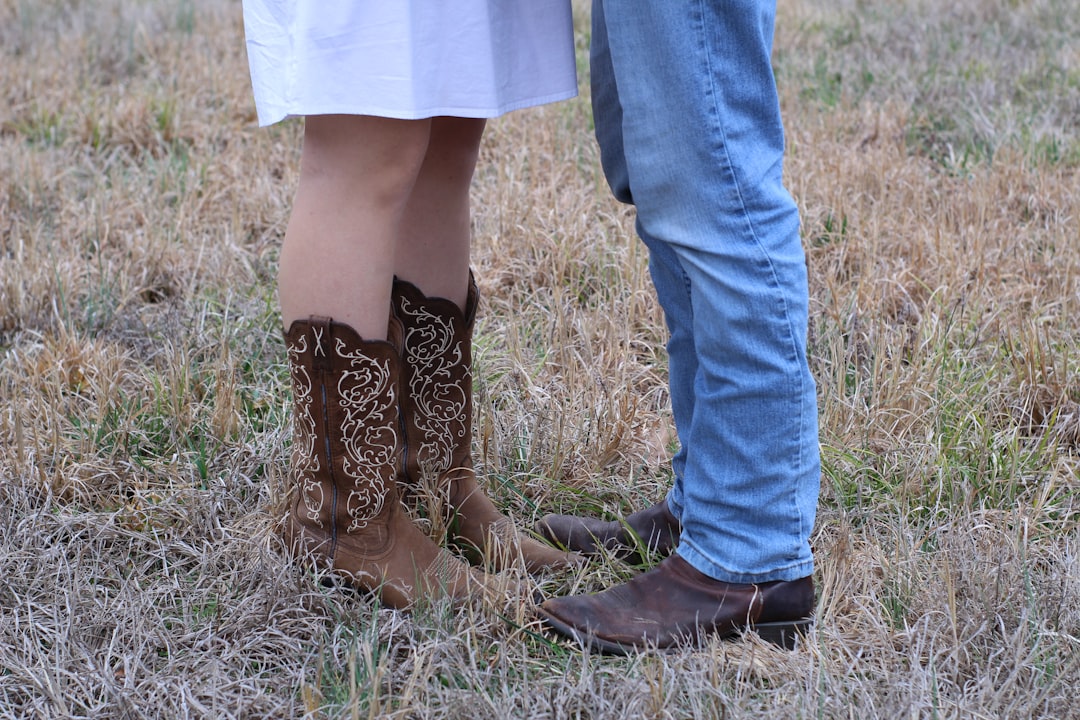
Suede cowgirl boots are the most luxurious-looking option in the category and the most high-maintenance. The difference between beautiful and ruined is one unexpected rain shower.
I own one pair of suede cowgirl boots. I’ve owned them for two years and I’ve worn them maybe 20 times. That ratio tells you most of what you need to know about the category. Suede is a beautiful material — soft, matte, rich in color, luxurious to touch. It’s also the most fragile leather you can put on a boot, and cowgirl boots are traditionally a rough-use item that suede is uniquely unsuited for. The pairs work if you wear them in specific contexts and accept the care investment. They don’t work if you’re looking for a daily-rotation boot. For the broader cowgirl boot picture, our Cowgirl Boots anchor covers silhouettes and brand tiers. This piece focuses specifically on suede construction. The full Brand Guides library has more on related decisions.
What makes suede different from regular leather
Suede isn’t a different animal — it’s leather finished differently. Where standard leather shows the smooth outer grain of the hide, suede is split from the inner layer and sanded to create the soft, fuzzy, napped texture. The result is the same material fundamentally, but with dramatically different performance characteristics.
The practical differences that matter for cowgirl boots:
Suede absorbs water. Where finished leather can shed a light rain, suede soaks it in. Water marks darken the fabric permanently if not treated immediately. This is the biggest practical limitation of the material.
Suede shows dirt and scuffs differently. Finished leather gets cleaner with a wipe. Suede needs a specific brush and cleaner because dirt embeds into the napped surface rather than sitting on top.
Suede develops a patina that can be beautiful or ugly. With proper care, suede ages into a soft, lived-in texture that some people love more than new suede. Without care, it crushes, discolors, and looks tired.
Suede shows pressure marks. Any sustained pressure (sitting on them, storing them stacked, a bag leaning against them) leaves marks that often never come out.
When suede cowgirl boots work
Suede is the right material choice for specific contexts:
Fall and winter wear in dry climates. Cold and dry weather is suede’s friend. The material reads warm and rich in fall light, and without the water problem, it holds up through a season.
Indoor-heavy lifestyles. If you drive to work, park close, and spend most of your day indoors, suede boots see minimal weather exposure. Fine.
Occasion wear only. A suede cowgirl boot worn to a dozen dinners and concerts lasts decades. The same boot worn daily for a year looks destroyed.
Deliberate fashion wardrobes. Suede reads premium and intentional. Worn with a tailored outfit, it elevates the look. Worn with jeans and a tee, it still looks intentional in a way finished leather doesn’t.
When suede is the wrong choice:
Daily wear in rainy or snowy climates. Don’t buy suede if you live in Seattle, Portland, the Pacific Northwest, or anywhere with serious winter weather. The boots won’t survive one season.
Long outdoor events. A day at an outdoor concert or a rodeo will likely destroy a suede pair. Stick to finished leather for these.
City pavement in summer. Hot, humid summer sidewalks transfer grime into suede in ways that don’t affect finished leather. Save suede for fall and winter.
Suede vs. nubuck: the distinction
Nubuck is often sold as “suede” but it’s slightly different — it’s leather sanded from the outer grain (like standard leather) rather than the inner split. The nap is finer and the material is slightly more durable than true suede, but behaves similarly for all practical purposes.
For cowgirl boots specifically, nubuck is often preferable to true suede because it’s marginally more durable while still giving you the matte, soft look. If you have the choice, nubuck is usually the better buy. Check product descriptions — brands use the terms inconsistently, but nubuck is more common in higher-quality western boots.
Color considerations for suede cowgirl boots
Suede takes and holds color differently than finished leather. The color tends to look deeper and more saturated on suede, which affects styling decisions.
Brown suede: The most versatile and forgiving. Dark brown suede hides scuffs and water marks better than any other color and reads appropriately for fall and winter outfits. My pair is dark brown suede for this reason. See our Brown Cowgirl Boots piece for the broader brown range.
Black suede: Dressy and urban. Shows dust and lint more than brown. Works for going-out contexts better than daily wear. Our Black Cowgirl Boots guide covers black in depth.
Tan suede: Beautiful but high-maintenance. The lighter color shows every water mark, dirt spot, and scuff. Save for drier climates and careful wear. See our Tan Cowgirl Boots piece.
Colored suede (teal, burgundy, etc.): Statement territory. The saturated color reads bold and specific. Wear with neutral outfits to let the boot be the focus.
Cream or ivory suede: The worst of both worlds. Shows everything, requires constant care, ages poorly. Skip unless you’re committed to a particular look and have the care routine dialed in. Our Cream Cowgirl Boots guide covers the color challenges.
Care for suede cowgirl boots
Suede care is its own discipline. Four essentials:
Suede protector spray before first wear. This is non-negotiable. A suede protector creates a water-resistant barrier that prevents most spot damage. Kiwi, Cadillac, and Collonil all make reliable options. Reapply every 3-4 months.
Suede brush, not a cloth. Regular leather cleaning cloths crush the nap and leave shiny spots. A suede brush (short stiff bristles) restores the nap and lifts surface dirt. Brush with the grain of the nap, not against it.
Suede eraser for scuffs. Scuff marks on suede respond to a specific suede eraser (looks like a pencil eraser but firmer). Light pressure lifts the scuff without damaging surrounding nap. Regular erasers can work in a pinch.
Never condition suede with leather conditioner. Traditional leather oils and conditioners destroy the nap. Use only suede-specific products. When in doubt, brush and protect rather than condition.
For water marks, the immediate response is to apply more water evenly across the entire boot panel to blend the edges, then let air-dry fully. Don’t use heat. Don’t dab with paper towels. Just water the whole panel and wait.
For deep stains, take the boots to a professional leather care service. $30-60 for a professional cleaning that restores the boots. Much cheaper than replacement.
Silhouettes in suede
The soft matte finish of suede changes how different silhouettes read.
Mid-calf suede cowgirl boots: The most useful shaft height for the material. The mid-calf silhouette showcases the suede’s finish without requiring extreme protection. Standard styling applies.
Short suede cowgirl boots: Work well because the shorter shaft sees less weather exposure. See our Short Cowgirl Boots guide for the category.
Tall suede cowgirl boots: Beautiful but high-risk. The larger surface area means more opportunities for water and dirt damage, and the shaft collapses more easily without support.
Decorative suede: Embroidery or contrast stitching on suede reads particularly rich because the matte background makes decorative elements pop. Works well visually but adds another care dimension (embroidery threads need their own treatment).
Brands worth buying for suede cowgirl boots
Not every cowgirl boot brand does suede well. The ones that do invest in the finishing quality that makes suede worth the premium.
Lucchese: Lucchese’s suede and nubuck pairs are exceptional. The nap is consistent, the color is rich, and the aging is graceful. $450-plus. For a long-term suede pair, Lucchese is the benchmark.
Old Gringo: Specializes in decorative western boots, including suede pairs with elaborate stitching or inlay work. $400-600. Stunning boots for occasion wear.
Ariat: Ariat’s suede options are fewer but the quality is consistent with their standard lineup. $220-280. Good mid-market choice.
Frye: Frye’s crossover into western includes suede pairs that read more contemporary than traditional. $300-400. Works for buyers who want the suede look without deep western styling.
Skip: Cheap suede cowgirl boots under $150 typically use poor-quality suede that crushes, discolors, and thins quickly. Suede is a finish that rewards quality of the underlying leather; bad suede is worse than bad finished leather. See our Cowgirl Boots Cheap guide for budget alternatives in finished leather instead.
Check Suede Cowgirl Boots Women Leather on Amazon for current options across brands.
Styling suede cowgirl boots
Suede reads dressier than finished leather at the same silhouette. This shifts the styling rules slightly.
Tailored pieces amplify the richness. Suede cowgirl boots with wool trousers, blazers, or a wool midi skirt reads elevated in a way finished leather doesn’t. This is suede’s best use case.
Dark denim works but casual denim doesn’t. Dark wash straight-leg jeans with suede cowgirl boots reads intentional. Light wash mom jeans with suede boots reads confused — the fabric-and-leather contrast clashes.
Knits pair naturally. A chunky knit sweater with suede cowgirl boots is a fall uniform that works every time. The soft texture of the knit echoes the matte texture of the suede.
Avoid over-layered looks. Too many textures (puffer coat + scarf + knit + suede boots) overwhelms the outfit. Let the suede be one of two max textural elements.
The verdict
Suede cowgirl boots are worth owning if you’re willing to commit to the care routine, accept the weather limitations, and treat them as occasion wear rather than daily rotation. A well-cared-for suede pair is among the most luxurious-looking footwear in a wardrobe and can last a decade with proper handling.
Don’t buy suede as your first cowgirl boot. Start with finished leather — our Best Cowgirl Boots picks — and add suede as a second or third pair once you know you love the category. When you do buy, go dark brown or black, mid-calf, from Lucchese or Ariat, and pre-treat before first wear. Accept that a rainy day will cost you a wear, and plan accordingly. Check Suede Cowgirl Boots Brown Lucchese on Amazon for current premium options.
Shop the look on Amazon
Everything you need to build a secondhand-style wardrobe, delivered. We may earn a commission on purchases.
FAQ
Can suede cowgirl boots get wet?
Not without consequences. A light mist with protector applied is survivable if you treat the boots immediately. Actual rain or puddles cause water marks that are difficult or impossible to fully remove. Don’t wear suede when rain is forecasted, period.
How do you clean suede cowgirl boots?
Brush with a suede brush (in the direction of the nap) to remove surface dirt. Use a suede eraser for scuff marks. For deep stains, take to a professional leather cleaner. Never use water, wet cloths, or standard leather cleaners on suede — they crush the nap and create new problems.
Are suede cowgirl boots warmer than leather?
Slightly. The napped surface adds a small amount of insulation compared to smooth leather. Not a meaningful difference in most conditions. Suede reads warmer visually, which may be the real reason people associate it with fall and winter.
Can you wear suede cowgirl boots in summer?
You can, but should you? Suede looks heat-heavy in summer outfits and shows sweat and humidity damage faster than in dry weather. Most wearers find suede cowgirl boots work best from September through April. Leather pairs cover summer better.
Do suede cowgirl boots last as long as leather?
With careful wear and protective treatment, yes. Without that care, significantly less. Finished leather forgives casual wear; suede punishes it. Plan on 2x the care routine to get 1x the wear life of a comparable leather pair, or accept the boots will have a shorter rotation.


