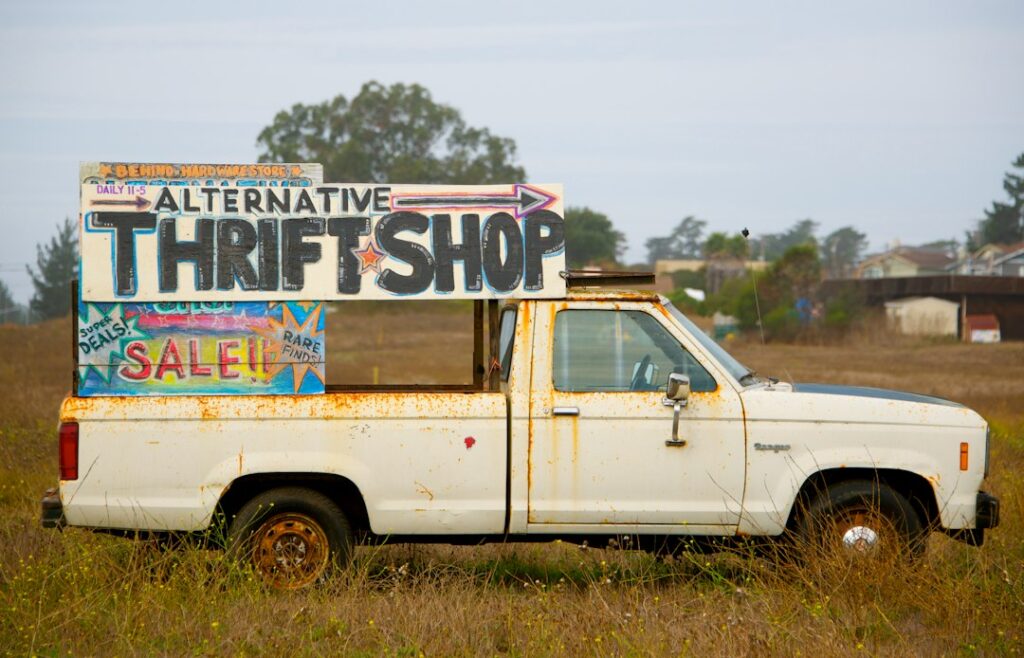
A rescue mission thrift store looks like any other secondhand shop from the parking lot. Behind the racks, it is usually one part of a shelter and recovery ministry, and the money from that sweater you just bought goes somewhere specific.
A rescue mission thrift store is a thrift shop run by a Christian rescue mission, the kind of organization that operates homeless shelters, meal programs and addiction recovery services. Sales fund those programs, and many stores also double as job-training sites for people in recovery. There is no single national chain: each mission runs its own stores under its own name, which is why searches for a “mission thrift store” turn up so many different organizations. This guide explains the model, gives real examples, and shows how to check what a particular mission does with the money. For how these stores fit alongside Goodwill, the Salvation Army and regional chains, see our Thrift Store Chains hub.
How a rescue mission thrift store works
The basic model is simple. People donate clothing, furniture and household goods. The mission sorts, prices and sells them in its stores. The revenue helps pay for shelter beds, meals and recovery programs run by the same organization. Several of these missions use the Lighthouse name; our Lighthouse thrift store guide explains which is which.
Two features set rescue missions apart from many other charity thrifts. The first is the faith-based mission: these are Christian ministries, and that identity shapes their programs. The second is the job-training role. Many missions use their thrift operations to give program participants work experience, from sorting donations to running a register. So a rescue mission thrift store is often both a funding source and part of the program itself.
Because every mission is independent, details such as pricing, sale days, donation rules and pickup services vary from one organization to the next. Treat any general description, including this one, as a starting point and check the local mission’s own site.
The Citygate Network: the umbrella group
Many rescue missions belong to the Citygate Network, which was formerly called the Association of Gospel Rescue Missions. It is an umbrella network with more than 300 member organizations, and many of those members run thrift stores.
Membership is useful as a quick signal. A store that belongs to a mission in the Citygate Network is part of an established ministry rather than a business using the word “mission” for marketing. It is not a guarantee of anything specific about a store, but it tells you the parent organization is part of a recognized network.
Real examples of mission thrift stores
A few real organizations show how the model plays out:
- Atlanta Mission Thrift Store: the thrift operation of Atlanta Mission, listed on the mission’s own site as a way to give.
- Durham Rescue Mission Thrift Stores: run by the Durham Rescue Mission in North Carolina.
- Waterfront Rescue Mission: a faith-based nonprofit founded in 1949 in Pensacola, Florida, with a mission in Mobile, Alabama. Its thrift sales fund shelter, meals and recovery programs, and it also sells online. Our Waterfront Mission Thrift Stores guide covers it in detail.
- Downtown Rescue Mission: based in Huntsville, Alabama, and runs thrift stores. This is the organization behind most “downtown rescue mission thrift” searches in that area.
- San Fernando Valley Rescue Mission: runs a store called Super Thrift in Southern California.
Many other cities have a rescue mission with its own thrift store. If you are searching for a specific one, such as a Union Rescue Mission thrift location, go to that mission’s official site for store details rather than relying on directory listings, which are often out of date.
What your purchase funds
At a rescue mission thrift store, sales support the mission’s programs: shelter, meals and recovery services are the common core. Waterfront Rescue Mission, for example, says its thrift sales fund exactly those three things. Some missions spell out how far a purchase goes, while others describe it more generally.
If you want to know where the money goes, look for an annual report or financial summary on the mission’s website, and check its nonprofit status. A legitimate mission will be open about its programs. This is the same test we apply to other charity-run stores, such as the hospice-run shops in our White Dove Thrift Shoppe guide.
Donating to a rescue mission thrift store
Donating well helps the mission more than donating a lot. Give clean, working, sellable items. Stained clothing, broken furniture and missing-part appliances cost a mission money to dispose of. Check the local mission’s list of accepted items before you load the car, because rules on mattresses, cribs, car seats and large appliances differ. Ask whether it offers pickup for furniture, and ask for a receipt if you plan to claim a tax deduction.
Shopping is just as straightforward. Visit often, since stock turns over as donations arrive, and inspect clothing under good light before you pay. Once you get finds home, a once-over with a Lint Roller Pet Hair Remover on Amazon and a wash will make most pieces ready to wear.
Top-selling match on Amazon

- 【Extra Sticky】Upgraded with extra sticky formula, Swihauk lint rollers features a strong…
- 【Easy Spiral Tear】 Our easy spiral tear design makes peeling a breeze, the sheets come off the…
If you are comparing faith-based thrift options, our Catholic Charities Thrift Stores guide explains how diocesan stores differ.
The verdict
A rescue mission thrift store is one of the most direct ways to turn secondhand shopping into local support. The money funds shelter, meals and recovery programs, and many stores give program participants real work experience. The catch is that every mission is independent, so quality, pricing and policies vary widely. Check that the store belongs to a real mission, ideally one in the Citygate Network, read what it says about its programs, and donate items that can actually be sold. Do that, and both your purchases and your donations go further.
Shop the look on Amazon
Everything you need to build a secondhand-style wardrobe, delivered. We may earn a commission on purchases.
FAQ
What is a rescue mission thrift store?
It is a thrift shop run by a Christian rescue mission. Sales fund the mission’s shelter, meal and recovery programs, and many stores also provide job training.
Are rescue mission thrift stores part of one chain?
No. Each mission is independent. Many belong to the Citygate Network, formerly the Association of Gospel Rescue Missions, which has more than 300 member organizations.
Can I donate furniture to a rescue mission thrift store?
Many missions accept furniture and some offer pickup, but rules vary. Check the local mission’s accepted-items list before donating.
Do you have to be religious to shop at a rescue mission thrift store?
No, rescue mission thrift stores sell to the general public, so shoppers do not need to share the mission’s Christian faith to browse or buy. The faith-based identity shapes the mission’s shelter, meal and recovery programs that the sales fund, not who can walk in the door. Pricing, sale days and donation rules are set by each independent mission, so check the local store’s own site before visiting.