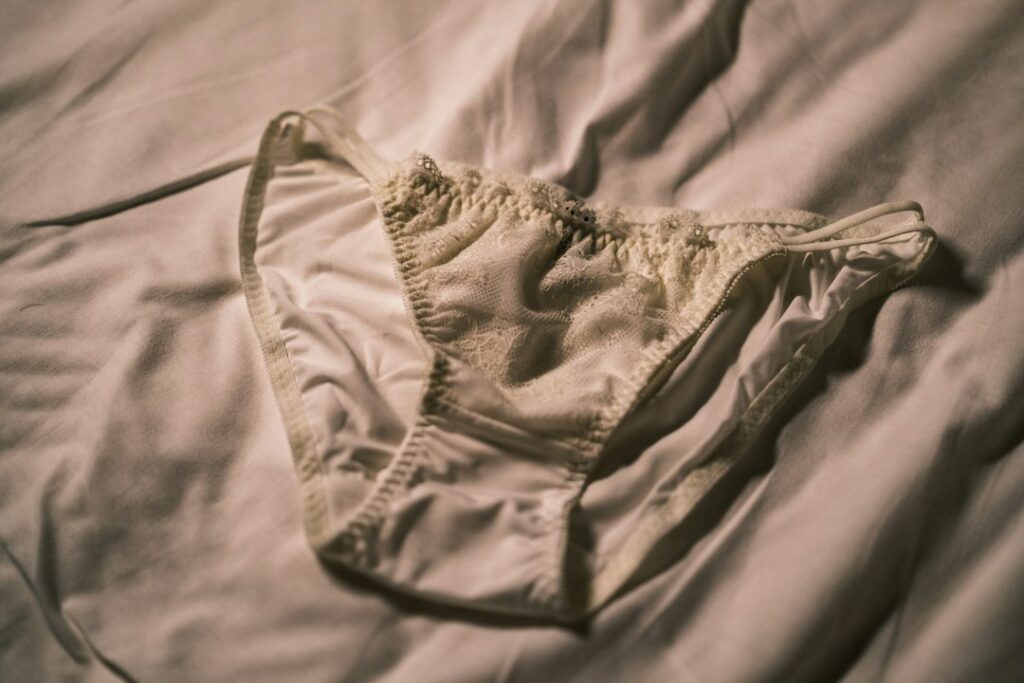
Underwear is the clothing you wear closest to your skin and replace most often, which makes the label on the waistband worth reading carefully.
Organic cotton underwear has moved from niche to mainstream, and with that has come a lot of loosely worded labelling. “Organic”, “made with organic cotton”, “OEKO-TEX certified” and “GOTS” can appear on packaging that looks almost identical, yet they mean very different things. This guide explains what organic cotton is, how the two GOTS label grades work, why OEKO-TEX is a chemical-safety label rather than an organic one, and what a few well-known brands say about their own fabrics. It covers both womens organic cotton underwear and mens organic cotton underwear, since the label rules are the same. For the bigger picture on building a lower-impact wardrobe on a budget, see our Affordable Sustainable Fashion hub.
What “organic cotton” actually means
Organic cotton is cotton grown under certified organic farming rules. In practice that means it is grown without synthetic pesticides or fertilisers and without genetically modified seed. The farm-level certification happens first; the fibre must already be certified organic before it can move into a textile certification chain.
That second step is where the Global Organic Textile Standard (GOTS) comes in. GOTS describes itself as starting “where organic farming activities end”. It does not certify farms. Instead it covers every step after the farm: fibre processing and spinning, wet processing such as dyeing, manufacturing and trading, with human-rights, environmental and due-diligence criteria along the way. So a GOTS logo on underwear tells you two things: the cotton was certified organic at source, and the factories that turned it into a garment met GOTS processing rules.
GOTS label grades: “organic” versus “made with organic materials”
GOTS has two label grades, and the difference matters when you are comparing packs.
| GOTS label grade | Minimum certified organic fibre | What the rest can be |
|---|---|---|
| “Organic” | At least 95% | Up to 5% other fibre, often elastane for stretch |
| “Made with organic materials” | At least 70% | Up to 30% other fibre |
Most organic underwear is around 95% organic cotton with about 5% elastane, which fits the top “organic” grade. It is worth noting that even the top grade does not mean 100% organic: the minimum is 95%, and the stretch fibre that keeps a waistband and leg openings in shape is normally conventional.
Some underwear uses more stretch fibre, for example in seamless or sporty styles, and may fall into the “made with organic materials” grade or outside GOTS altogether. That is not necessarily a problem; it is just a different product, and the label should say so.
“Made with organic cotton” without a logo
A product that says only “made with organic cotton” and shows no GOTS (or Organic Content Standard, OCS) certification may contain far less organic fibre than you would assume. There is no minimum attached to the phrase on its own. When you see it, look for a certification logo or a licence number, either on the product, the packaging or the brand’s site. GOTS-certified products are linked to a certified company, so a brand that holds certification usually says so plainly.
OEKO-TEX is not an organic label
OEKO-TEX STANDARD 100 is one of the most common labels on underwear, and one of the most misunderstood. It certifies that a textile has been “tested for harmful substances”: every component, down to the thread, elastic and any trims, is tested against a list of more than 1,000 harmful substances.
That is genuinely useful information for something worn against skin all day. But it is about the chemical safety of the finished product. It does not certify that cotton is organic, and it does not certify sustainable or environmentally friendly production. A conventional cotton brief can carry OEKO-TEX STANDARD 100. OEKO-TEX does run a separate label called OEKO-TEX ORGANIC COTTON, so if you see that specific wording, it is a different claim from STANDARD 100.
The simple rule: GOTS tells you about organic fibre and processing; OEKO-TEX STANDARD 100 tells you about harmful-substance testing. Some underwear carries both, and that combination covers more ground than either alone.
Other labels you may see
- Fair Trade Certified (Fair Trade USA). Applies to the factory, not the fibre. A certified factory meets Fair Trade USA’s Factory Production Standard, which has more than 100 criteria on social and environmental responsibility, worker empowerment and economic development. Brands pay a Premium for each certified product sold, and a worker-elected committee decides how that money is spent.
- Organic Content Standard (OCS). A Textile Exchange standard that verifies organic content. It is narrower than GOTS because it does not add the same social and processing criteria.
- Regenerative Organic Certified. Some brands cite fabric certified to this standard, which adds farming-practice criteria on top of organic.
- B Corp. A certification of the company as a whole rather than any one product.
Brands to know, and what they say about their fabrics
The brands below publish specific information about their underwear. Everything here is the brand’s own claim or third-party reporting as noted, not an independent test. Compositions change, so check the exact style before buying.
Pact
Pact says its underwear is made with 95% GOTS-certified organic cotton and 5% elastane, in Fair Trade Certified factories in India. That combination, a named organic certification plus a named factory standard, is one of the clearer sets of claims in the category. Pact sells women’s and men’s styles, often in multipacks, and generally sits at the lower end of the organic price range.
MATE the Label
MATE the Label is a Los Angeles brand that describes its undies as “made with breathable Organic Cotton”. The brand cites GOTS and Regenerative Organic Certified fabrics plus OEKO-TEX, and says it is a certified B Corp with Climate Label certification. Third-party reviews report its undies as 95% organic cotton and 5% spandex, priced in the upper-mid range per pair. Note the mix of labels: GOTS and Regenerative Organic relate to fibre, OEKO-TEX to chemical testing, and B Corp to the company.
Organic Basics
Organic Basics is still trading, and it has been owned by the Israeli apparel group Delta Galil since July 2022. Some shoppers still think of it as an independent label, so that ownership change is worth knowing. The sustainability directory Eco-Stylist revoked its own certification of Organic Basics, citing concerns about the parent company, and commenters have noted more recycled nylon across the range. The current GOTS status of specific Organic Basics underwear lines could not be confirmed for this guide, so check each product page for a certification before assuming one.
Comparing the claims
| Brand | Stated composition | Certifications cited | Notes |
|---|---|---|---|
| Pact | 95% organic cotton / 5% elastane (brand claim) | GOTS fibre; Fair Trade Certified factories | Women’s and men’s, multipacks |
| MATE the Label | 95% organic cotton / 5% spandex (third-party reviews) | GOTS, Regenerative Organic, OEKO-TEX; B Corp | LA-based; upper-mid price |
| Organic Basics | Varies by line | Check each product | Owned by Delta Galil since 2022 |
If you want to compare a wider range, a category search such as GOTS-certified organic cotton underwear for women or organic cotton boxer briefs for men pulls up many options. Open each listing and look for a GOTS logo, licence number or certifier name rather than relying on the word “organic” in the title. Our Affordable Ethical Fashion Brands Under $60 and Sustainable Fashion Brands for Plus Size Women roundups cover more labels that publish this kind of detail.
Top-selling match on Amazon

- Sizing And Care: We've updated our sizing guide to make finding your best fit easier. If you're…
- Freshness Your Body Deserves: Standard polyester-heavy materials trap heat, restrict airflow, and create an…
- Underwear For Daily Comfort: These boxer briefs feature a true no-roll waistband and a performance-quality design…
How to shop for organic underwear
- Find the certification, not just the word. Look for GOTS or OCS on the product. “Organic” in a product name with no certification is a weaker claim.
- Check the grade. If it is GOTS, does it say “organic” (95%+) or “made with organic materials” (70%+)?
- Read the full composition. 95% cotton with 5% elastane is typical. Higher elastane can mean better stretch for sporty styles, but less organic content.
- Do not read OEKO-TEX as organic. Treat it as a bonus for harmful-substance testing, not as a replacement for an organic certification.
- Think about the waistband. Exposed elastic waistbands tend to wear out before the cotton does. Fabric-covered bands often last longer and feel softer.
- Pick the right style for the job. Cotton is breathable for everyday wear, but it holds moisture, so for hard workouts a technical fabric may suit you better. Our The Best Underwear for Leggings (No Visible Panty Line) guide covers what to wear under activewear.
Caring for organic cotton underwear
Organic cotton behaves much like any good cotton, so the care is simple. Wash in cool or warm water with a mild detergent, wash similar colours together, and avoid high-heat drying, which is the main thing that breaks down elastane and shrinks cotton. Line drying or a low tumble setting keeps waistbands springy for longer. Because cotton is a natural fibre, it does not shed synthetic microfibres the way polyester and nylon do, although the small elastane share is synthetic.
When a pair is worn out, cotton underwear can often go into textile recycling collections where your area offers them. Most thrift stores do not accept used underwear, so donation is generally limited to new, unopened packs.
Women’s and men’s organic cotton underwear: what differs
The label rules are identical, but the styles and constructions differ. Womens organic cotton underwear tends to come in briefs, bikinis, high-rise and thongs, and the gusset is normally a cotton layer by design, so composition claims usually cover it. Mens organic cotton underwear is mostly boxer briefs, trunks and briefs, where the stretch content in the leg and pouch can be slightly higher, and boxer shorts, which are often woven cotton with little or no elastane except in the waistband. In both cases, check the composition on the individual style rather than assuming a brand’s whole range is the same.
Shop the look on Amazon
Everything you need to build a secondhand-style wardrobe, delivered. We may earn a commission on purchases.
FAQ
Is GOTS underwear 100% organic cotton?
Not necessarily. The GOTS “organic” grade requires at least 95% certified organic fibre, and “made with organic materials” requires at least 70%. Most organic underwear blends about 95% organic cotton with about 5% elastane for stretch.
Does OEKO-TEX mean organic?
No. OEKO-TEX STANDARD 100 means the product was tested against more than 1,000 harmful substances. OEKO-TEX runs a separate OEKO-TEX ORGANIC COTTON label, which is a different claim.
Is Organic Basics still in business?
Yes. Organic Basics is still trading and has been owned by Delta Galil since July 2022. Check each product for its current certification.
Is organic cotton underwear worth it?
It depends on what matters to you. A GOTS-certified pair tells you the cotton was grown without synthetic pesticides or fertilisers and processed under GOTS criteria. If harmful-substance testing is your priority, OEKO-TEX STANDARD 100 addresses that separately, including on conventional cotton.
How often should underwear be replaced?
There is no fixed rule. Replace pairs when the elastic loses its recovery, the fabric thins or holes appear. Gentle washing and low-heat drying extend their life.
Will organic cotton briefs shrink in the dryer?
Organic cotton underwear can shrink, because organic cotton behaves much like any good cotton when it meets high dryer heat. Hot drying is also the main thing that breaks down the elastane in waistbands and leg openings. Washing in cool or warm water with a mild detergent, then line drying or using a low tumble setting, keeps pairs closer to their original size and keeps the stretch springy for longer.
The verdict
Organic cotton underwear is one of the easiest places to apply a label-first habit. Look for GOTS or OCS rather than the word “organic” on its own, check whether the grade is 95% or 70%, and treat OEKO-TEX as harmful-substance testing rather than an organic claim. Pact and MATE the Label publish clear, specific claims; Organic Basics is still trading under Delta Galil, so check each product. For the rest of your wardrobe, see our guides to Sustainable Activewear and Sustainable Swimwear, which use the same approach for recycled synthetics.