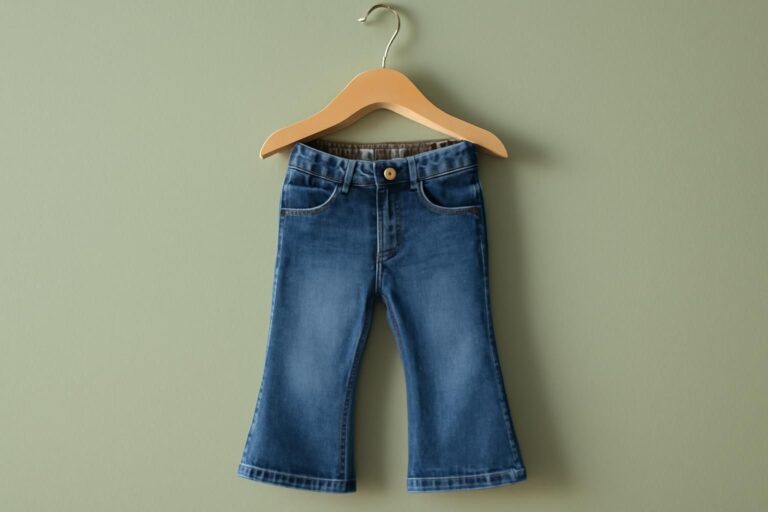
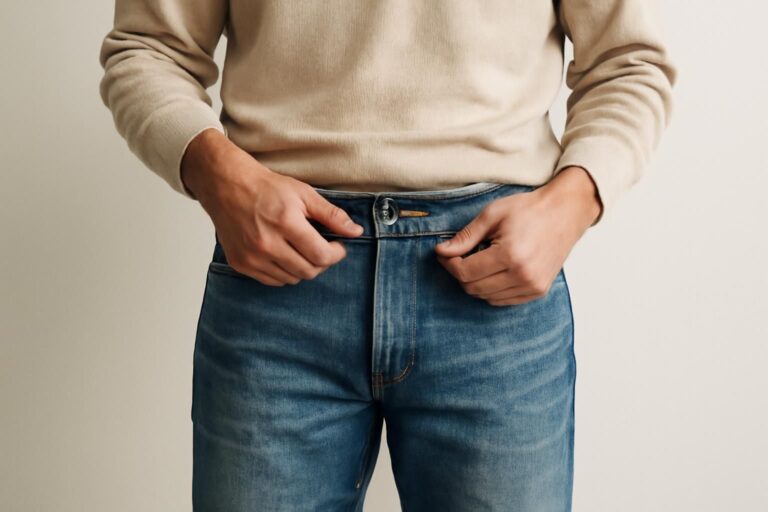
Kancan skinnies are the brand’s most reliable cut, and honestly the best starting pair if you’ve never tried the label. They’re the natural first buy for anyone curious about Kancan, before moving on to the flare and the barrel.
This guide covers the skinny’s fit, rise options, fabric and washes. For the brand context and a full overview, the Is Kancan Jeans Worth It? covers the category level. This one is specifically about why the skinny is the cut that makes or breaks your Kancan experience, fitting into our broader Affordable Fashion Brands work.
The Kancan skinny fit, in specifics
Kancan’s skinny cut is best described as a “modern skinny” — slim through the thigh and ankle without being the painted-on skinny of 2014. There’s just enough room through the knee to let you sit comfortably, and the ankle opening is narrow enough to tuck into a boot but wide enough to wear flat with flats.
This is the cut where Kancan’s women’s-specific grading shows up best. The waist-to-hip differential is graduated, so a curvy figure doesn’t gap at the back. A straighter figure gets a touch of room through the hip but the stretch compensates. The mid-rise and high-rise versions share the same leg shape, so the real difference between them is how they sit at the waist.
Mid-rise versus high-rise variants
This is the choice most people get wrong. Here’s the shortcut:
Mid-rise: The waist sits about an inch below your natural waist. More flattering on shorter torsos. Easier to wear with cropped tops without the denim hitting under your bust. This is the more versatile everyday option.
High-rise: Hits at the natural waist. Better for tucking in longer shirts. Flatter through the midsection because the rise holds more of the abdomen. Because it sits higher on the torso, it can feel snugger at the waist than the mid-rise in the same numeric size.
Neither cut has tummy control built in the way Kancan’s tummy-control line does. The high-rise has natural smoothing because of the rise itself, but if you want actual shaping, you’re looking for a different style label.
A simple way to split them: the mid-rise for casual weekends, the high-rise for days you want a more put-together, tucked-in silhouette. If you only buy one, get the mid-rise — it’s more forgiving and pairs with more tops.
Fabric and stretch
Kancan skinnies use stretch blends, typically cotton with polyester and spandex; check the fabric content on the specific style, since it varies. Fabric weight matters for how long the jeans keep their shape: a heavier stretch denim is less likely to bag at the knee or loosen at the waist. Washing every few wears, in cold water, helps them hold up.
The stretch is enough to sit and move in without feeling like you’re wrestling the fabric, but not so much that the denim feels like leggings. This is the balance to look for in a skinny — enough give to be comfortable, enough structure to actually look like denim.
One caution that applies to any dark indigo denim: expect some dye in the rinse water on the first wash. Wash dark pairs alone or with similar darks the first time to avoid transfer onto lighter garments.
Best washes to start with
If this is your first Kancan skinny, here’s how the washes rank for durability and versatility:
- Medium indigo (rinse or light stonewash): The most versatile. Goes with anything, holds color well, hides wear patterns.
- Dark wash (not black, not light): Almost as versatile. Slightly more formal. Watch for indigo bleed the first wash.
- Black: Sharp silhouette, but every black jean fades faster than you think. Budget for the fade or wash less often.
- Light wash / whiskered / distressed: Buy last, not first. The distressing is where Kancan’s construction shortcuts show up most — some distressing is clean, some is sloppy, and you can’t always tell from the photo.
For in-stock browsing across washes: Kancan Skinny Jeans. on Amazon Poshmark is where the retired wash colors live: Kancan Skinny. on Poshmark Secondhand pairs often sell well below retail, so it is a low-cost way to try a wash.
Related reading: Is Kancan Black Jeans Worth It?
Shop our picks: Kancan High-Rise Skinny Jeans, Kancan Distressed Skinny Jeans, KanCan Kurvy Ultra High Rise Skinny.
The verdict
Buy the Kancan mid-rise skinny as your first pair. If you like it, buy the high-rise as your second. This is the cut that tells you whether the Kancan fit works on your body — if the skinny fits right, every other Kancan cut is going to feel like the same house cut in a different silhouette.
Don’t start with the flare or the barrel. Don’t start with the heavily distressed washes. Don’t start with black, as counterintuitive as that sounds. A medium indigo mid-rise skinny in your true Kancan size will tell you everything you need to know in a week of wear, and if the fit is wrong, you’ll know within the first hour. That’s the fastest learning loop the brand gives you.
Shop the look on Amazon
Everything you need to build a secondhand-style wardrobe, delivered. We may earn a commission on purchases.
Browse picks on Amazon →FAQ
Do Kancan skinny jeans run small?
Slightly small in the waist, true to generous in the hip. If you’re between sizes, size up, especially on the high-rise variant, which can feel snugger at the waist than the mid-rise in the same numeric size.
Are Kancan skinnies stretchy enough?
Yes. The cotton-poly-spandex blend has enough give to sit, move, and bend comfortably, without the leggings-feel of a super-stretch skinny. To help the stretch hold up, wash cold and avoid high dryer heat.
Best wash for beginners?
Medium indigo, mid-rise, in your measured size. It’s the most versatile and the most forgiving of fit misjudgments. Start there before experimenting with black or distressed variants.
Do Kancan skinny jeans bag out at the knee?
Kancan skinny jeans are less likely to bag at the knee when the style uses a heavier stretch denim, so fabric weight is the detail to check before buying. The skinnies use stretch blends, typically cotton with polyester and spandex, and the exact content varies by style. Washing every few wears in cold water helps the denim recover its shape, and avoiding high dryer heat protects the stretch. A medium indigo mid-rise is the most forgiving first pair.