
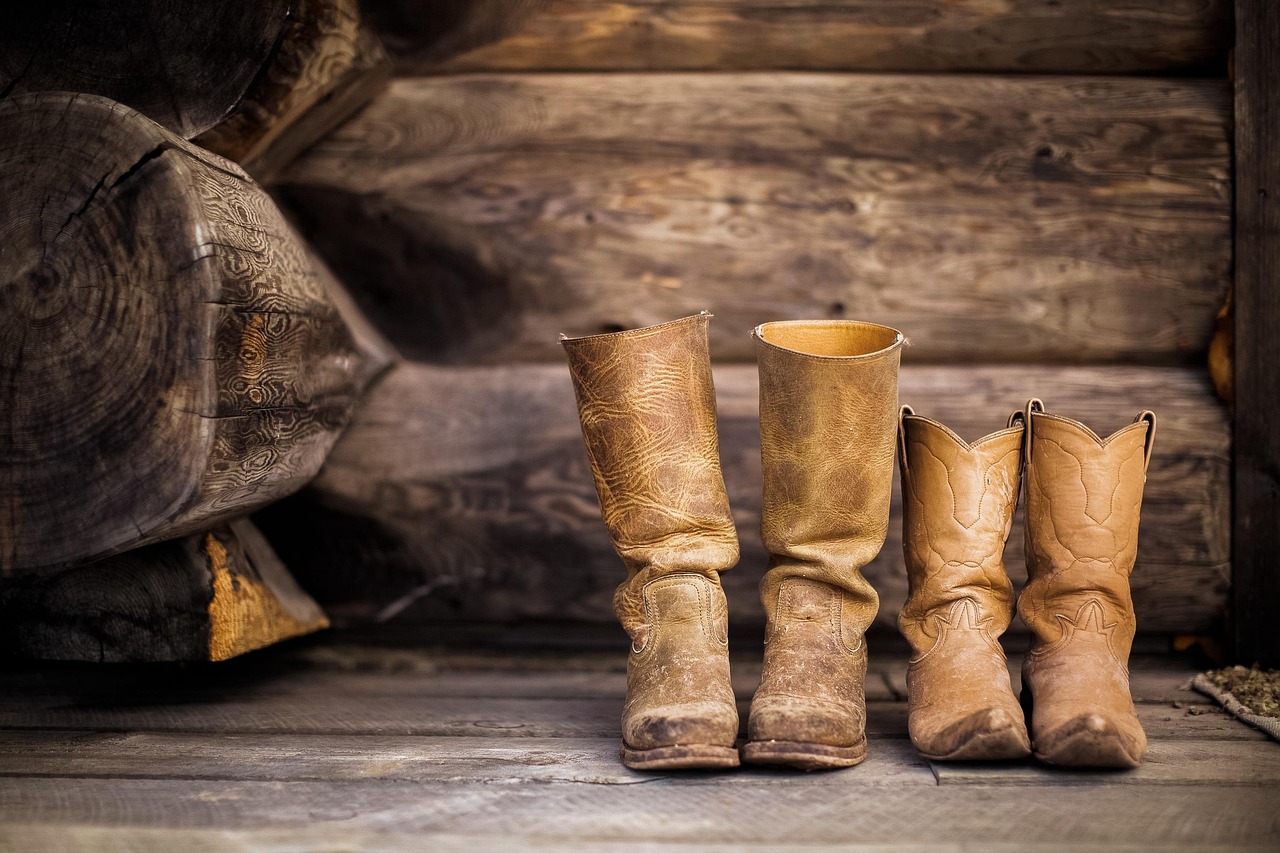
Justin is the value-tier heritage cowboy boot answer. Older than Ariat by more than a century, less premium than Lucchese, and one of the best price-to-quality plays in the women’s cowboy-boot category.
Justin Cowgirl Boots come from a Texas brand founded in 1879, making it the oldest US cowboy boot brand still operating. We tracked Justin closely for Tumbleweed Thrift readers because the brand sits in a sweet spot the heavy-marketed brands often miss: real heritage construction at $150-350, broad availability, and women’s lines that cover both classic Western and fashion-forward styling. The hub at Cowgirl and Western Boots holds the full women’s cowboy-boot picture; this piece is the brand-specific deep dive.
Justin Cowgirl Boots at a glance
Founded 1879 in Texas, Justin is the oldest continuously operating cowboy boot brand in the United States. The brand is anchored to heritage Western construction with a value-tier price point that undercuts Lucchese and Tony Lama while delivering genuine leather and Goodyear welt construction at the daily-wear price tier. Sizes 5-11 women’s standard. Pricing typically $150-350, with the Stampede premium line stretching to $400. Broadly available at Boot Barn, Cavender’s, Justin.com, and Amazon. The cowgirl-boot brands roundup at Cowgirl Boot Brands covers the broader brand context.
Best Justin lines for women
Justin Classic Western runs $150-250 and is the heritage default; pointed or rounded toe, traditional silhouette, dark brown or black leather, exactly what you picture when you picture a cowboy boot. Justin Gypsy is the fashion-forward sub-line at $150-300 with bolder colors, embellishment, and contemporary silhouettes; it’s the line for shoppers who want the heritage construction in a more festival-coded look. Justin EZ Rider Comfort runs $180-300 and is built for daily-wear comfort with a softer footbed and broader last. Justin Stampede premium runs $250-400 and is the closest the brand gets to Lucchese-tier finishing. Justin Round Toe Roper runs $180-280 and is the work-friendly silhouette with the broadest toe box. Justin Cowgirl Boots Gypsy on Amazon
What Justin does well
Heritage Western silhouettes are the brand’s bread and butter. The Classic Western line photographs as exactly the kind of cowboy boot the heritage brands are supposed to make. Value-tier construction at $150-250 with genuine leather and Goodyear welt is rare in the modern cowboy-boot market; most brands at that price tier compromise on either the leather or the welt construction. Justin keeps both. Broad availability is the third strength; Boot Barn and Cavender’s stock Justin heavily, which makes in-person try-on practical in most Western states.
What Justin does poorly
Fashion-statement and runway pieces are not Justin’s strength; Old Gringo wins this lane decisively at the higher price tier. Exotic leathers (ostrich, alligator, lizard) are barely present in the Justin lineup; Lucchese is the answer here. Premium construction tier with full hand-finishing and exotic leather options goes to Lucchese and Tony Lama at the higher price points. Justin is honestly a value-tier heritage brand, and trying to make it a premium brand confuses the comparison. Buy Justin for what it is, not what it isn’t.
Justin Gypsy vs Justin Classic
The two lines serve different shoppers under the same brand umbrella. Gypsy launched in the early 2010s as the fashion-forward sub-line; bolder colors, more embellishment, contemporary silhouettes, and a styling profile that competes with Idyllwind and Steve Madden. Classic is the heritage Western line that competes with Ariat Heritage and Dan Post. Both are genuine Justin construction with the same Goodyear welt and leather quality at their respective price points. The Gypsy line is the answer for shoppers who want the heritage badge and the construction tier in a more fashion-forward look; Classic is the answer for shoppers who want the boot to read traditional Western. The cute-styling crossover lives at Cute Cowgirl Boots.
Justin sizing reality
The Classic line runs slightly small in the toe box. Reviewers consistently report sizing up a half if between sizes; if you wear a 9 in most boots, try a 9.5 in Justin Classic before committing. Gypsy runs true to size with no consistent up-or-down adjustment. EZ Rider Comfort runs slightly large because the broader last creates more interior volume; size down a half if between sizes. Round Toe Roper runs true. Stampede premium runs true. The wide-calf consideration is generally not a Justin strength; the brand’s standard last is on the narrower side, which the Wide Calf Cowboy Boots for Women guide covers in detail for shoppers who need more room.
Justin vs Ariat vs Dan Post head to head
Justin is heritage and value, Ariat is comfort tech, Dan Post is mid-tier reliability. All three sit at similar price points, and the choice depends on use pattern. Ariat wins on daily-comfort and tech features (the brand’s footbed is genuinely better than the heritage competition for long days on your feet). Justin wins on heritage and traditional Western silhouette. Dan Post sits between the two with reliable construction and broader stylistic range but less brand identity. The Ariat-specific breakdown is at Ariat Women’s Cowboy Boots. For the comfort-priority shopper, Ariat usually wins. For the heritage-priority shopper, Justin wins.
Where to buy Justin cowgirl boots
Justin.com is the brand DTC and carries the broadest line including occasional outlet pricing. Boot Barn and Cavender’s stock the heaviest in-person inventory across Western states. Amazon carries Justin through the brand’s verified storefront; verify the seller is Justin or Justin-direct rather than a third-party reseller. Poshmark and Mercari have steady secondary-market Justin inventory. The thrift angle covered at Thrift Store Cowboy Boots is also strong for Justin specifically; the brand’s longevity means used pairs hold up well. Justin Classic Western Womens on Amazon
Justin construction quality
Goodyear welt construction across the heritage lines means the boot can be resoled when the sole eventually wears through, extending the lifespan from years into decades. Genuine leather uppers across all lines (avoid any Justin item described as bonded leather, which is a red flag for counterfeit listings on Amazon). The Stampede premium line uses higher-grade leather than the Classic, which justifies the price gap for shoppers prioritizing finish. The real-construction breakdown lives at Real Cowgirl Boots for the broader heritage-construction context.
The verdict
Justin Classic Western is the value-tier heritage cowboy boot answer. If you want a traditional cowboy boot with real construction at $200-300, Justin is the right buy. Skip Justin if you want fashion-statement designer detail (Old Gringo wins), comfort-tech for long days (Ariat wins), or premium handcrafted construction (Lucchese wins, breakdown at Lucchese Women’s Cowboy Boots). Cross-link Comfortable Cowboy Boots for Women for the comfort comparison and Women’s Cowboy Boots for the broader brand picture.
Shop the look on Amazon
Everything you need to build a secondhand-style wardrobe, delivered. We may earn a commission on purchases.
FAQ
Are Justin cowboy boots high quality?
Yes, at the value-tier heritage price point. Genuine leather, Goodyear welt construction, and a Texas heritage going back to 1879. Not premium-tier in the Lucchese or Tony Lama sense, but excellent for the $150-350 price range.
How long do Justin cowboy boots last?
Heritage Justin lines with genuine leather and Goodyear welt construction typically run 10-20 years with regular wear and basic conditioning. Resoling extends the lifespan further.
Do Justin boots run true to size?
Justin Classic runs slightly small in the toe box; size up a half if between sizes. Gypsy and Stampede run true. EZ Rider runs slightly large.
Where are Justin boots made?
Justin is a Texas heritage brand. Production has historically been US-based, with some current lines manufactured internationally. Verify the country-of-origin label on the specific pair you’re buying.


