
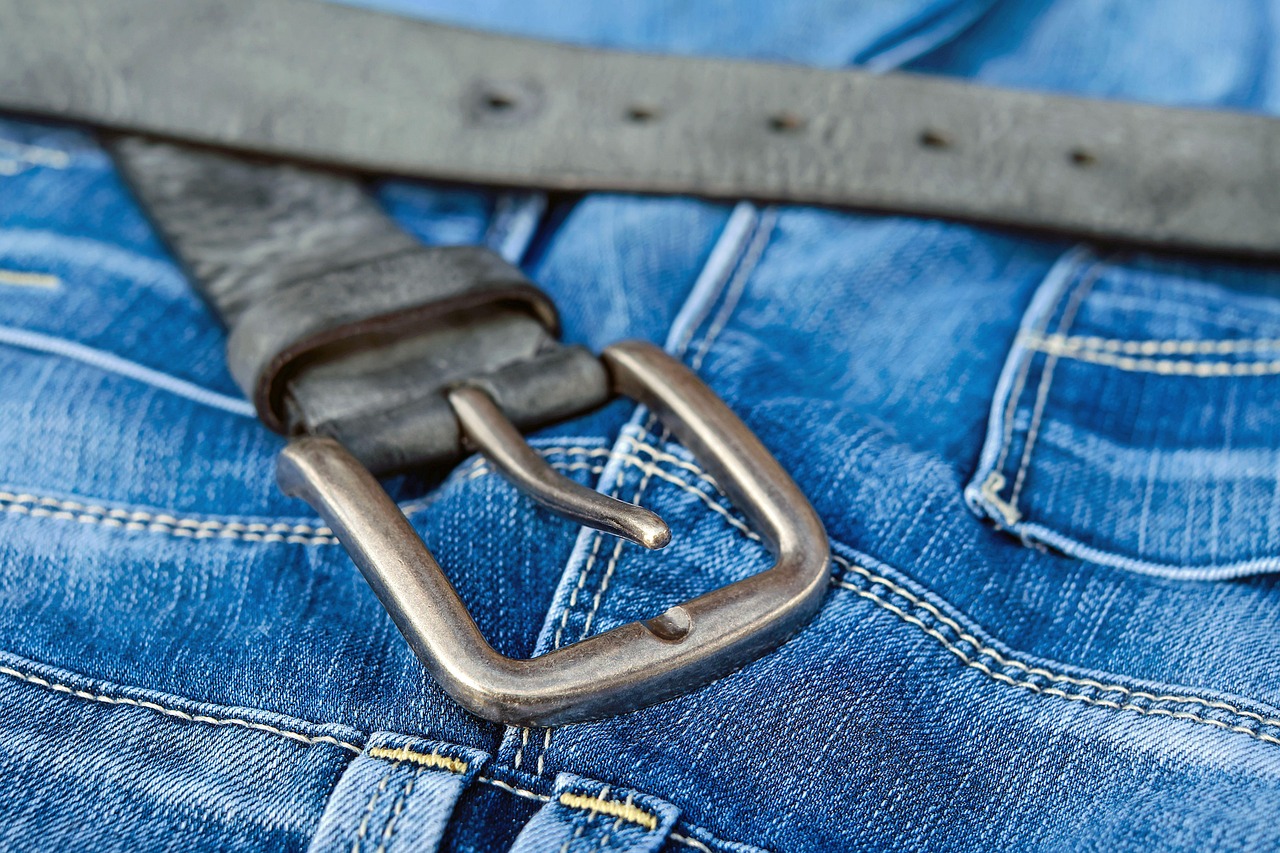
JNCO is the heritage brand that launched the original 90s super-baggy aesthetic, and the modern revival cuts are noticeably tamer than the archive — which is either a relief or a disappointment depending on how committed you are to the bit.
The brand pulled out of the market entirely in the early 2010s and relaunched in 2022 with a denim line that walks a tightrope between heritage credibility and current wearability. This jnco baggy jeans review covers what’s changed from the original cuts, modern pricing, fabric reality, and whether the brand still earns the heritage premium it’s charging. For broader silhouette context the Womens Denim Silhouettes hub covers every adjacent cut, and the Super Baggy Jeans umbrella review compares JNCO directly to the budget alternatives.
Modern JNCO vs the 90s archive cuts
The original JNCO cuts from 1995 to 2003 ran genuinely extreme — the most famous Crime Scene and Mammoth styles had leg openings of 26 to 50 inches, dropped crotches that hit mid-thigh, and inseams long enough to drag eight inches behind the heel. The modern revival has dialed all of that back significantly. The current Tribal cut sits at roughly 24-inch leg opening, the more wearable Slammer at 22 inches, and the rise sits around 11 to 12 inches without the dramatic dropped crotch.
The brand kept the heritage details — the embroidered back pockets, the subtle JNCO branding at the rivet, the heavyweight denim weight. What’s gone is the silhouette extremity that made original JNCO look like denim sails. If you’re buying for a 90s-revival aesthetic and expecting the original drama, the modern cuts will read disappointing. If you’re buying for everyday super-baggy wear with heritage credibility, the modern cuts are actually more wearable than the archive.
Pricing and what you actually get
Modern JNCO sits at $90 to $130 depending on cut, with limited-run collaborations and special washes pushing into $150 to $180 territory. That’s roughly double what Cotton On charges for similar silhouettes (see Cotton on Super Baggy Jeans for the budget comparison) and meaningfully cheaper than premium brands at $200 to $290.
What you get for the JNCO premium over fast-fashion: heavyweight 13 to 14 ounce denim with proper construction, bar-tacked stress points, and reinforced pocket corners. The fabric is consistently 100% cotton across the core line — no stretch, full break-in required — which is the right choice for shape retention but means the first ten wears are stiff. Hardware is metal rather than plastic, and the embroidered pocket detail is actual stitching rather than a printed graphic.
What you don’t get: the boutique finish or fabric experimentation of premium denim houses. JNCO is unapologetically a streetwear-skate brand and the construction matches that — built to last but not refined. Search Jnco Baggy Jeans Womens on Amazon to compare current stock and pricing across retailers.
Sizing for women shopping JNCO
JNCO sizes by waist measurement only — 28, 30, 32, 34 — which is closer to mens sizing than the standard women’s 24 to 32 jean numeric run. For US women’s reference, a JNCO 28 is roughly a women’s 8/10, a 30 is closer to a 12, a 32 is a 14. The brand has begun adding women’s-cut variants in select cuts but the core line still runs unisex with a slightly longer rise on the front than back.
The unisex cut means more room through the thigh and seat than a women’s-cut equivalent at the same waist, which is often what super-baggy buyers actually want. If your hip-to-waist ratio runs hourglass, expect more waist gap than a women’s-fitted brand and budget for tailoring or a belt as part of the styling. Most women I know who wear JNCO size to the waist and accept the waist gap as part of the silhouette — it’s been the look since 1996 anyway.
Fabric, wear, and how they hold up
The 13 to 14 ounce cotton denim is the strongest argument for buying JNCO over fast-fashion alternatives. After six months of weekly wear my Tribal cut shows the kind of break-in that cheaper denim never reaches — high-wear zones have softened into a worn-in feel, the fabric drapes correctly with shape memory intact, and the indigo has faded into a real used finish rather than the patchy bleach-out that polyester-blend denim shows.
The honest negatives: the heavy fabric is hot in summer (these are not warm-weather jeans), the inseam runs long enough that I had to hem two of three pairs, and the embroidered pocket details snag easily on chair upholstery and bag straps. None of those are dealbreakers but they’re real.
Styling modern JNCO without it reading costume-y
The challenge with JNCO is that the brand identity skews so heavily toward 90s skate aesthetic that wearing it without leaning into the era takes intentional styling. Three approaches that work:
The clean modern approach. Dark indigo Slammer with a fitted cropped tee, white sneakers (Vans Old Skools work especially well — they reference the era without committing to costume), and minimal accessories. The volume of the JNCO becomes the silhouette statement; everything else stays neutral and current.
The streetwear-current approach. Tribal cut with an oversized hoodie or fitted graphic tee, chunky platform sneakers (Air Force 1s, Nike Dunks), and a structured cap. This reads contemporary streetwear rather than 90s revival because the rest of the styling references current rather than archive aesthetics.
The fashion-elevated approach. Slammer in washed black with a fitted blazer, leather belt, and pointed-toe block-heeled boots. The structured top-half plus heeled footwear pulls the JNCO volume into a more polished context that reads intentional rather than nostalgic. This is the approach that works best for adults wearing JNCO outside specifically skate contexts.
Avoid combinations that lean too hard into 90s callbacks unless you specifically want the throwback look — multiple chunky chains, branded streetwear stacks, or aggressive logo-heavy graphics push the look from “vintage-influenced” to “costume.”
Who modern JNCO is actually for
This is the right buy if you wore JNCO in the 90s or want denim with heritage credibility you can name-drop. It’s also the right buy if you’re committing to super-baggy as your default silhouette and want denim that’ll last five years rather than 18 months — the construction quality genuinely justifies the price for heavy users.
It’s the wrong buy if you want the original archive silhouette extremity (those don’t exist in current production — your only option is vintage resale, see the Thrift and Resale Fashion hub for sourcing). It’s also the wrong buy if you want stretch denim or a contoured women’s-specific cut — JNCO’s unisex tailoring isn’t for everyone. For a women’s-cut alternative at similar volume see the Zumiez Baggy Jeans review covering Empyre and Volcom, or Designer Jeans for Women for premium tailored options. The Ultra Baggy Jeans review covers the broader extreme-volume category.
Buying vintage JNCO vs modern revival
Two paths to JNCO ownership and the choice meaningfully affects what you get. Modern JNCO (current production from the 2022 relaunch onward) delivers wearable super-baggy with current sizing, controlled quality, and predictable inventory through JNCO’s own site and Zumiez selectively. Pricing $90-$130. Cuts dialed back from archive extremes.
Vintage JNCO (1995-2003 archive) requires sourcing through Depop, Grailed, eBay, and dedicated 90s streetwear resellers. Pricing varies wildly — common cuts in worn condition run $80-$150; rare archive pieces (Crime Scene, Mammoth, specific embroidery patterns) reach $300-$800; museum-grade deadstock pairs occasionally clear $1,500. The variance reflects the collectibility tier rather than the wear value.
For the silhouette specifically, vintage delivers the original archive volume that modern doesn’t replicate. The Crime Scene and Mammoth cuts at 28-50 inch leg openings are simply not available in modern production. If the extreme silhouette is what you’re after, vintage is the only path.
For practical wear, modern JNCO is more versatile. The cuts work in current contexts, the sizing is consistent, and the fabric is engineered for current expectations. Vintage requires sourcing patience, possible alterations, and acceptance of the wear condition the seller describes.
The honest take: vintage JNCO is for confirmed enthusiasts who want the heritage piece specifically. Modern JNCO is for buyers who want super-baggy denim with brand credibility and don’t need archive extremes. Both are legitimate buys for different reasons.
The verdict
Modern JNCO is honest heritage denim at a fair price for the construction quality, but it’s not the JNCO of 1998. The cuts have been dialed back to wearable rather than extreme, the fabric is excellent, and the brand has earned the premium over fast-fashion baggy. Buy if you want super-baggy denim built to last and don’t mind the unisex cut, skip if you want either the archive drama (go vintage) or a refined women’s tailored fit (go Mother or Agolde). At $90 to $130 the Slammer and Tribal are the right value plays in the line, and any limited collaboration above $150 is overpaying for marketing rather than denim quality.
Shop the look on Amazon
Everything you need to build a secondhand-style wardrobe, delivered. We may earn a commission on purchases.
FAQ
Are modern JNCO jeans the same as the originals?
No. Modern JNCO cuts are significantly tamer than the 90s archive — leg openings sit at 22 to 24 inches versus the original 26 to 50 inches, and the dropped crotch is barely present in current production. The construction quality is comparable to the originals but the silhouette extremity is gone.
How do JNCO jeans run for sizing?
JNCO sizes by waist measurement (28, 30, 32, 34) and runs as unisex cuts with slightly more room through thigh and seat than women’s-specific sizing. Most women size to their waist measurement and accept some waist gap as part of the silhouette.
What’s the best JNCO cut for women?
The Slammer at 22-inch leg opening is the most accessible and easiest to style. The Tribal at 24-inch leg opening reads more aggressive but qualifies as super-baggy. Avoid the limited-edition extreme cuts unless you’re committing to the bit fully.
Are JNCO jeans worth $130?
For the construction and fabric, yes — heavyweight cotton denim with proper hardware at this price is good value. For the silhouette specifically, you can get similar volume at Cotton On for less money if you don’t care about the heritage. The premium is for brand and durability, not the cut itself.
Where can I buy JNCO baggy jeans?
JNCO’s own site, Zumiez (selective stock), Karmaloop, and select streetwear boutiques. Amazon stocks intermittent inventory of older releases. Vintage and resale (Depop, Grailed, eBay) is where to go for original archive cuts — expect $200 to $800 for original 90s pairs in good condition.


