
Poshmark looks like Instagram and works like a mall full of individual closets, which is exactly why first-timers get confused about who they are actually buying from and how the money moves.
The question we get most from readers new to resale is simple: how does Poshmark work, and is it worth the learning curve? The short answer is that Poshmark is a US social resale marketplace where individual people list clothes, shoes, and accessories out of their own “closets,” buyers shop and negotiate through the app, and Poshmark sits in the middle handling payment, shipping labels, and a buyer-protection layer. It is one of the most established platforms in the space we track for Tumbleweed Thrift readers on our Thrift and Resale Fashion hub. Below is how the whole thing actually functions, from the first tap to the payout.
How does Poshmark work, in plain terms
Poshmark is a peer-to-peer marketplace, which means the platform itself does not own or ship the inventory. Every item you see is listed by an individual seller who photographed it, priced it, and will pack it themselves when it sells. Poshmark provides the storefront, the payment rails, and the rules everyone plays by. When you buy something, your money is held by Poshmark until the item is delivered and you have had a short window to confirm it matches the listing, then it is released to the seller. That escrow-style flow is the single most important thing to understand, because it is what protects both sides.
The social layer is what makes Poshmark feel different from a plain classifieds site. Sellers “share” listings to their followers and to themed “Posh Parties,” buyers follow closets they like, and the whole thing runs on a feed. That activity is not just decoration; sharing is how listings get visibility, so the most active closets tend to sell fastest.
How buying works on Poshmark
Buying is the easy half. You search or browse, tap into a listing, and you have three ways to get it: buy it now at the listed price, make an offer, or wait for the seller to send you a price drop. The offer system is central to the culture here. Most experienced buyers never pay sticker price; they send a lower offer and the seller either accepts, declines, or counters. There is also a “bundle” mechanic, where you add multiple items from one closet into a single bundle, which often unlocks a private discount and always saves on shipping because it ships as one package.
Once you pay, the seller has a limited number of days to ship. If they do not ship in time, you can cancel for a full refund. When the package arrives, the transaction is not automatically closed in the seller’s favor. You have a set window to accept the order or open a problem case if the item is not as described. Only after you accept, or the window lapses, does the seller get paid. For buyers, that delayed release is the whole safety net.
How selling works on Poshmark
Selling starts with listing an item: photos, a title, a description, category, size, and a price. Good listings live and die on photos and honest condition notes, and sellers who disclose flaws up front get fewer returns and disputes. Once listed, the work is sharing, both your own closet and to parties, to keep items visible in the feed.
When an item sells, Poshmark emails or messages the seller a prepaid, pre-addressed shipping label. The seller prints it, packs the item in any box or mailer, and drops it off. There is no negotiating with a carrier or weighing packages, because the label is a flat prepaid rate the buyer already covered. After delivery and buyer acceptance, the sale amount minus Poshmark’s fee lands in the seller’s account, redeemable via direct deposit or, in smaller amounts, other payout options. If you are weighing Poshmark against other selling apps, our roundup of Apps Like Poshmark breaks down where each one pays out fastest.
Poshmark fees explained
This is where people want exact numbers, and it is also where you should be careful, because fee structures change and Poshmark has adjusted them before. The model, rather than any specific figure, is what to understand: Poshmark charges the seller a fee that works as a flat dollar amount on small sales and switches to a percentage of the sale price on larger sales. There is a price threshold that separates the two. Confirm the current flat fee, the current percentage, and the current threshold on Poshmark’s own fee page before you price anything, because those numbers are exactly the kind of detail that gets updated.
For buyers, the important cost lines are the item price, a flat shipping fee, and sales tax where applicable. Shipping is a single flat rate per order regardless of how many items are in a bundle from one closet, which is the mechanical reason bundling saves money. There is no separate buyer’s premium beyond tax and that flat shipping charge. For the seller, the fee is deducted automatically from the payout, so the price you list is not the amount you take home.
Shipping on Poshmark
Shipping is deliberately simple and it is the same for everyone. Poshmark uses a flat-rate, prepaid label system with a standard weight allowance, and the buyer pays that flat fee at checkout. The seller never buys postage separately; they just print the label Poshmark generates. If a package is unusually heavy, sellers can upgrade the label and cover the difference, but the vast majority of clothing orders fit inside the standard allowance. Delivery runs on standard ground timelines, so this is not a next-day operation; buyers should expect a normal shipping window, not instant gratification.
Is Poshmark safe? Buyer protection and risk
Poshmark the platform is legitimate and well established; it is a publicly traded company with millions of users. The honest framing is the one that applies to every peer-to-peer marketplace: the platform is trustworthy, but you are buying from individual strangers, so the risk lives at the seller level, not the platform level. The mitigation is built in. Because Poshmark holds your payment until delivery and gives you a window to report an item that is not as described, a bad seller cannot simply take your money and vanish. If an item arrives counterfeit, damaged, or materially different from the listing, you open a case with photos and Poshmark mediates, and legitimate not-as-described claims are typically resolved with a return and refund.
The one rule that keeps you protected is to keep everything inside the app. Never accept a seller’s invitation to pay by an outside method to “save on fees,” because that instantly voids every protection Poshmark offers and is the single most common way people actually get scammed. For a wider view of how Poshmark stacks up against similar resale businesses, we cover the field in our guide to Companies Like Poshmark.
How Poshmark compares to other resale apps
| Platform | Model | Who pays the fee | Buyer protection | Best for |
|---|---|---|---|---|
| Poshmark | Peer-to-peer, closet-based, social | Seller (flat on small, % on larger — confirm current) | Payment held until delivery + accept window | Fashion resale, offers and bundles |
| Depop | Peer-to-peer, feed-based | Seller (selling fee + processing — confirm current) | Depop Payments on eligible in-app orders | Vintage, y2k, streetwear |
| Mercari | Peer-to-peer, ship-anything | Seller (fee + processing — confirm current) | Payment held until delivery confirmed | General goods plus fashion |
The table flattens a real cultural difference. Poshmark is the most fashion-native and the most negotiation-driven of the three; the offer-and-bundle dance is expected, not optional. Depop skews younger and more curated toward vintage and trend pieces, and its feed rewards a strong visual aesthetic. Mercari is the generalist, closer to a straightforward “list it and ship it” marketplace without the same social sharing engine.
What they share is the mechanic that matters most: your money is protected only when it flows through the app. Whichever platform you choose, the protection is the escrow-style hold, and the risk is any attempt to move the deal off-platform. If you mostly sell clothing and enjoy the community and the haggling, Poshmark is the natural home. If you want to move a mixed pile of household items, Mercari or a local-first option may suit better.
The verdict
Poshmark works well once you accept its two core habits: you negotiate through offers and bundles, and you keep every dollar inside the app. As a buyer, it is a genuinely good place to find secondhand and lightly worn fashion below retail, with a real safety net as long as you never pay off-platform. As a seller, it rewards active closets that share often and describe items honestly; passive listings tend to sit. The fee model is fair for what you get, but confirm the current numbers yourself rather than trusting any blog’s figure, this one included. For beginners moving from fast fashion into resale, it is one of the friendliest on-ramps we track. If you want to price-check pieces against new-with-tags options first, browse comparable styles at Women Trendy Clothing on Amazon before you make an offer.
Top-selling match on Amazon
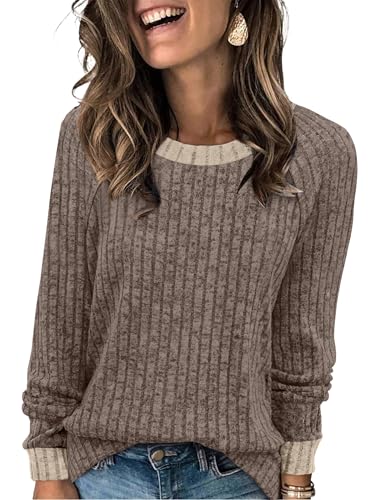
- Material: The fall sweater is lightweight and super soft, comfortable to wear. It almost feels…
- Feature: The color block round neck design instantly makes the top eye – catching from…
- Match: This casual long sleeve shirts is a must-have fashion item for 2026 wardrobes. It's…
Shop the look on Amazon
Everything you need to build a secondhand-style wardrobe, delivered. We may earn a commission on purchases.
FAQ
Do you have to pay to use Poshmark as a buyer?
There is no membership fee to shop. As a buyer you pay the item price, a flat shipping fee per order, and sales tax where it applies. The selling fee is deducted from the seller’s payout, not added to your checkout, so it does not appear as a separate line for buyers.
How long does a seller have to ship my order?
Sellers are given a limited number of days to ship after a sale. If they miss the window, you can cancel and get a full refund. Once it ships, delivery runs on standard ground timelines, so plan for a normal shipping window rather than express speed.
What happens if the item is not as described?
Because Poshmark holds your payment until you accept the order, you have a window after delivery to open a case if the item is counterfeit, damaged, or materially different from the listing. Submit photos, and legitimate not-as-described claims are typically resolved with a return and refund. Accepting the order early releases the funds, so inspect first.
Can you negotiate prices on Poshmark?
Yes, and you usually should. Buyers send offers below the listed price, and sellers accept, decline, or counter. Adding several items from one closet into a bundle often unlocks a private discount and always saves on shipping, since a bundle ships as a single flat-rate package.
Is Poshmark legit and safe?
The platform is legitimate and established. The risk is the individual seller, not Poshmark itself, and the built-in mitigation is that your payment is held until delivery. Keep every transaction inside the app; paying a seller directly to avoid fees voids your protection and is how most Poshmark scams actually happen.