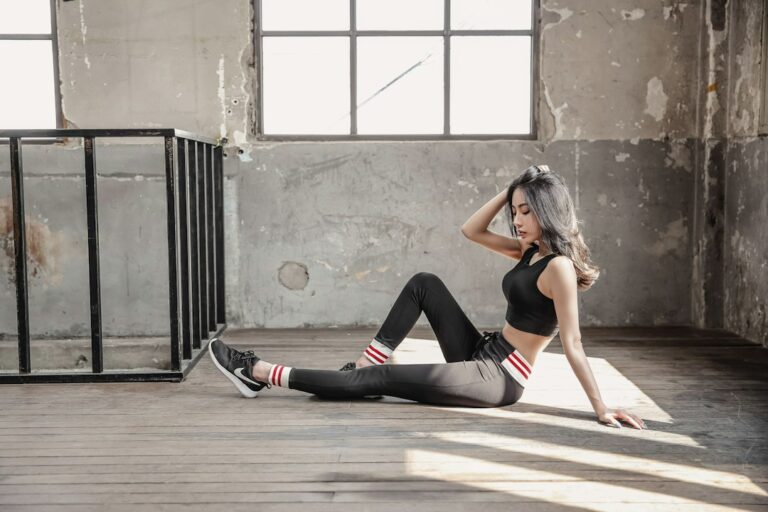
Nylon turns up in windbreakers, leggings, swimwear and tights, and it is generally easy to look after. The one thing it does not like is a lot of heat.
Quick answer: Does nylon shrink? It can, but it resists shrinking much better than cotton, linen, rayon or wool. The main risk is high heat from a dryer or iron, and nylon blends with natural fibres or spandex need extra care. Wash cool, dry low or hang to dry, and follow the care label.
Does nylon shrink? In normal, label-following care, nylon usually holds its size well, and heat is the factor most likely to change that. This guide covers why nylon behaves the way it does, what happens in the dryer, how blends change things and a simple washing routine. For the fibre’s history and uses, see our What Is Nylon? The Synthetic Fiber Explained guide.
Why nylon resists shrinking
Laundry sources such as Rinse and We Do Laundry list cotton, linen, rayon and wool as the fibres most likely to shrink, and describe nylon and polyester as fibres that resist shrinking better. A Procter & Gamble laundry scientist quoted in Martha Stewart Living explains why: natural fibres are “water-loving”, while polyester and nylon are “less likely to shrink because they do not tend to absorb moisture.”
Nylon is a manufactured fibre. The FTC defines it as a long-chain synthetic polyamide, and Britannica credits its development in the 1930s to a DuPont research team led by Wallace H. Carothers. According to the Science History Institute, DuPont announced nylon on October 27, 1938, and the first public sale of nylon stockings followed in October 1939. Like polyester, it was engineered rather than grown, which is part of why it handles water so differently from cotton or wool.
That does not make nylon immune to change. Heat is the main risk with nylon, as care labels and laundry guides commonly warn, and synthetics can be damaged by high heat. That is why the common advice is to use low dryer and iron settings.
Will nylon shrink in the dryer?
The dryer is the step to watch. We Do Laundry describes the dryer as generally riskier than the wash, because its heat is hotter and lasts longer and the tumbling adds agitation. For nylon, a low or delicate setting is the usual advice when the label allows tumble drying, and air drying is safer still.
High heat may not make a nylon jacket visibly smaller, but it may cause other problems that can be just as permanent, such as puckered seams, a stiff or shiny surface, distorted stretch panels or wear on the coatings of water-resistant shells. If the label shows a crossed-out tumble dryer, hang the item or lay it flat. Nylon tends to dry relatively quickly on a hanger because it does not hold much water.
What makes shrinkage or damage more likely
| Factor | Effect on nylon | What to do |
|---|---|---|
| High dryer heat | The main risk; can distort or damage the fabric | Tumble on low only if the label allows, or air dry |
| Hot iron | Can scorch or glaze synthetics | Lowest setting, pressing cloth, or steam instead |
| Agitation | Adds friction and pilling, especially on blends | Gentle cycle, turn inside out, mesh bag for delicates |
| Natural fibre in the blend | Cotton or wool portions can still shrink | Wash for the most delicate fibre in the mix |
| Spandex in the blend | Heat can make spandex brittle so it loses elasticity | Cool wash, no hot dryer |
On blends: Selvane, a lower-authority textile blog, says blending wool with nylon reduces felting, which is why nylon often appears in wool socks. Reduced is not the same as eliminated, so wash a wool-nylon blend the way the label says, and treat it like wool if in doubt. With stretch nylon in leggings and swimwear, the P&G scientist’s warning that heat makes spandex brittle is the bigger concern. Our Does Spandex Shrink? Heat, Stretch and Care guide covers that in detail.
How to wash nylon without shrinking it
This is a common method for everyday nylon garments. Check the care label first and follow it where it differs. For delicate pieces like tights or lingerie, our How to Hand Wash Clothes (Delicates, Wool and Dresses) guide is the gentler route.
- Read the care label and fibre content.
- Close zips and fasten any Velcro so it does not snag other items.
- Turn the garment inside out.
- Put delicate items such as tights in a mesh laundry bag.
- Wash on a cold or cool, gentle or synthetics cycle.
- Use a mild detergent at the normal dose.
- Remove promptly when the cycle ends.
- Hang to dry, or tumble on the lowest heat if the label allows.
Sort nylon away from heavy lint-shedders. According to a search summary of American Cleaning Institute guidance, lint comes from mixing lint-givers such as towels and sweaters with lint-attractors such as synthetics, so washing them separately helps. A set of Mesh Laundry Bags For Tights And Delicates on Amazon keeps fine nylon pieces from snagging in the drum.
Top-selling match on Amazon

For ironing, follow the label. Under the FTC Care Labeling Rule, if a hot iron would harm a garment, the label should say “Do not iron.” According to a summary of the ISO / GINETEX symbols, one dot on the iron symbol is about 110 °C, the setting intended for synthetics. Many people skip the iron entirely for nylon and use a Handheld Garment Steamer on Amazon or hang the item in a steamy bathroom instead.
Top-selling match on Amazon

- Powerful & Efficient: Equipped with 1000W high power, it heats up quickly in 20 seconds to generate strong…
- Portable & Lightweight: With a compact and lightweight design, it can be easily tucked into suitcases or…
- Easy Fill Water Tank: The detachable water tank is designed for effortless refilling. Simply pull it…
Swimwear and activewear
Nylon swimsuits usually contain spandex. Swimwear fabric suppliers such as Stretch House say chlorine breaks down standard spandex, so suits lose recovery and sag over time. A common habit is to rinse a suit in cool fresh water soon after swimming and dry it in the shade. Clorox’s own expert advises against bleaching spandex, so keep chlorine bleach away from nylon-spandex blends.
If your nylon garment already shrank
Start by working out what changed. If the garment is a blend and the cotton or wool part contracted, a lukewarm conditioner soak followed by gentle stretching, as described in our How to Unshrink Clothes guide, may recover some size, though results are partial. Felted wool cannot be fully restored; a peer-reviewed review calls felting shrinkage “irreversible”.
If the nylon itself was heat-damaged, or the spandex lost its stretch, there is no sourced method to reverse it. Puckering, glazing and rippled stretch panels are usually permanent. The best fix is prevention, which our How to Prevent Clothes From Shrinking in the Wash guide covers step by step.
Thrift note: secondhand nylon
Vintage nylon windbreakers, track jackets and slips are thrift-rack regulars, and nylon’s shrink resistance makes them a fairly safe buy. Read the fibre content label for cotton, wool or spandex, check for shiny or puckered patches that suggest past heat damage, and measure the garment flat rather than trusting the size tag, since vintage sizing differs. Wash it cool and air dry the first time so you can see how it behaves. If you are comparing synthetics, our Does Polyester Shrink? Heat, Blends and How to Avoid It guide explains how polyester behaves under the same conditions.
Frequently asked questions
Does 100% nylon shrink?
It can, but it resists shrinking far better than natural fibres, because it does not tend to absorb much moisture. High heat from a dryer or iron is the main risk.
Does nylon shrink in the dryer?
A low setting is generally fine if the label allows tumble drying. High heat can distort or damage nylon even if it does not visibly shrink, so air drying is the safest choice.
Does nylon shrink in hot water?
Pure nylon is less affected by hot water than cotton, but cool water cleans it well and protects any spandex or natural fibre in a blend. Stay within the temperature on the label.
Can you shrink nylon on purpose?
Not reliably. The only real lever is high heat, which risks damaging the fabric. For a better fit, alterations by a tailor are the common advice.
Shop the look on Amazon
Everything you need to build a secondhand-style wardrobe, delivered. We may earn a commission on purchases.