
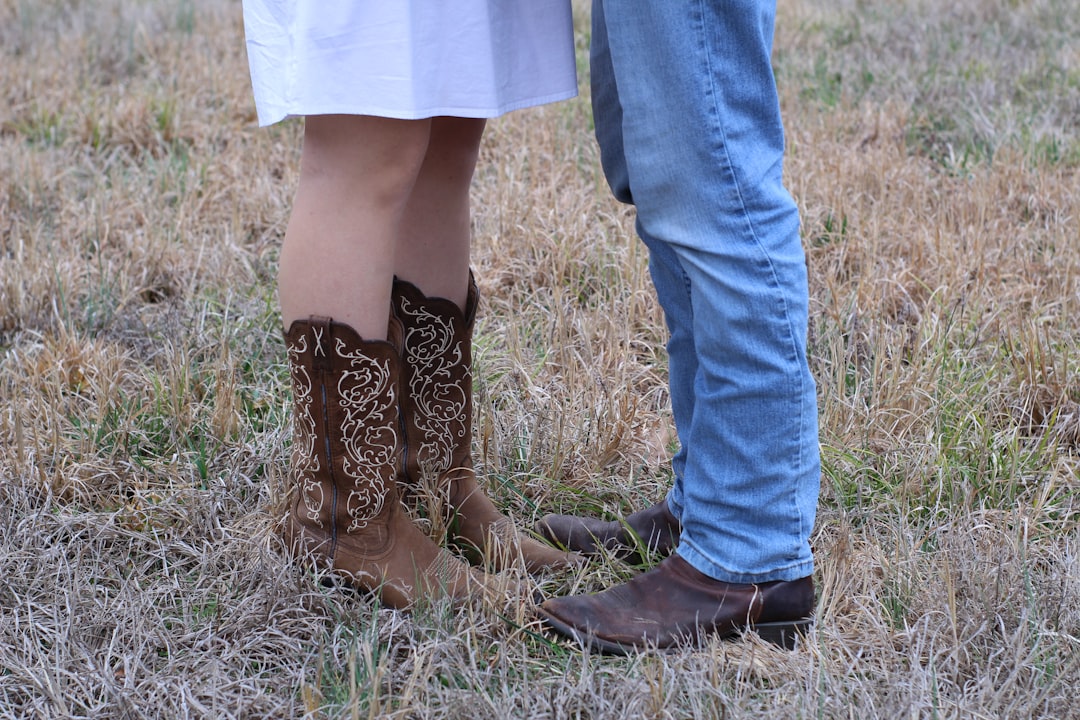
The most comfortable cowgirl boots I own cost $220. The second most comfortable cost $550. The least comfortable cost $95. Price predicts comfort less reliably than construction, and most “comfortable” marketing tells you nothing useful.
I’ve owned eight pairs of western boots across five brands and three price tiers, and the gap between the comfortable pairs and the miserable pairs has almost nothing to do with what the brand claims on the box. Comfortable cowgirl boots come down to four specific construction details — insole cushioning, heel geometry, shaft fit, and break-in requirement — and any pair that gets all four right will outperform any pair that gets two right regardless of price. For the broader category context, our Cowgirl Boots anchor guide covers silhouettes and brand hierarchy. The full Brand Guides library has more on fit and sizing. Here’s how to evaluate comfort before you commit.
The four comfort factors that actually matter
Insole cushioning
A traditional western boot has a thin leather insole sitting on a leather sole. Beautiful, authentic, and a long day on pavement makes your feet ache by hour four. Modern comfort-focused western brands use EVA foam, memory foam, or gel inserts inside the boot. Ariat’s ATS footbed is the best-known version and the difference is real — my ATS-equipped pair lasts twice as long on feet as my traditional-construction pair before fatigue sets in. Justin has similar J-Flex tech. Durango offers a cushioned insole option on several lines.
If the boot description doesn’t mention cushioning tech by name, assume it’s traditional leather inside. That’s not a dealbreaker, but know what you’re buying.
Heel geometry
A traditional 2-inch cuban heel throws weight forward onto the ball of the foot. A 1.25-inch block heel distributes weight evenly. For all-day comfort, lower block heels beat taller cuban heels at the same brand every time. See our Low Heel Western Boots Ladies piece for more on heel height specifically.
Shaft fit
A shaft that’s too tight squeezes your calf, a shaft that’s too loose chafes. Both ruin a long day. Comfortable cowgirl boots have some structure but give naturally at the top of the shaft. Stiff, over-built shafts feel supportive in the store and punishing by hour three.
Break-in requirement
All leather boots require some break-in, but the range is dramatic. Ariat and Justin with cushioned footbeds are often wearable comfortably from day one. Traditional bootmakers like Lucchese require 10-20 wears before the leather conforms to your foot. If you need comfortable boots immediately, buy tech-forward. If you’re willing to invest time, traditional construction rewards you with a boot that feels custom after a few months.
The brands that do comfort right
Ariat (the comfort leader)
Ariat dominates the comfort conversation because they engineered around it from the start. The ATS footbed, the Pro-Performance outsole, and the contoured last design mean most Ariat pairs feel like sneakers dressed as western boots. My Ariat Heritage Ropers are my everyday comfort pair — 1.25-inch heel, cushioned footbed, zero break-in. For the color-specific review, see Teal Ariat Boots.
Justin Boots
Justin’s J-Flex footbed and accessible pricing make them the main Ariat alternative. Construction isn’t quite as refined but the comfort tech is legitimate. Good mid-range option.
Durango
Durango sits below Ariat and Justin on price and slightly below on comfort, but their cushioned insole options are real. Worth considering if budget is tight. See our Durango Western Boots review.
Lucchese (comfortable after break-in)
Lucchese doesn’t rely on modern cushioning tech — they rely on the leather. After a proper break-in period, a Lucchese pair molds to your foot in a way tech-forward boots can’t match. The trade-off is the three-to-four-week adjustment period.
Tony Lama
Tony Lama sits in the traditional construction camp. Comfortable after break-in but not immediately. See our Tony Lama Boots review for the full picture.
Brands to be cautious about for comfort
The fashion-western labels (Matisse, Dolce Vita, Steve Madden, Jeffrey Campbell) make western-styled boots with fashion-boot construction. Thin insoles, angled heels without support, leather-substitute materials that don’t soften. These look beautiful on a shelf and ache after two hours. If comfort is your priority, skip the fashion labels and buy from a real western brand.
Fit specifics that affect comfort
I’m 5’7″, 140 lbs, size 8.5 shoe, medium calf (14 inches). My most comfortable pair is an Ariat Heritage Roper in 8.5 B — the B width matters because the standard western last often runs wide, and a too-wide boot slides around your heel and creates blisters.
Key fit notes for comfortable wear:
- Your heel should lift slightly (quarter inch) when you first walk in new boots — this is normal and disappears once the sole flexes.
- Your toes should not touch the front of the boot when walking.
- The shaft should clear your calf without squeezing, but not slouch at the knee.
- Break-in discomfort (tight across the instep, stiff shaft) is different from wrong-size discomfort (heel slipping, toes cramming, pinch points that don’t release).
If your new boots hurt in the same place on wear five that they hurt on wear one, they’re the wrong size. Return them.
The verdict
The most comfortable cowgirl boots you can buy without a break-in period are Ariat Heritage Ropers or similar ATS-footbed pairs. Low block heel, cushioned insole, flexible shaft. If you’re willing to break in a pair for three to four weeks, Lucchese and other traditional makers reward the effort with boots that fit better than any tech-forward pair after a year of wear. What you should not buy for comfort is fashion-western — those boots are styled to look western without the construction that makes real western boots wearable. Browse Ariat’s comfort lines at ariat.com or check Comfortable Cowgirl Boots Women on Amazon for options.
Shop the look on Amazon
Everything you need to build a secondhand-style wardrobe, delivered. We may earn a commission on purchases.
FAQ
Do cowgirl boots get more comfortable over time?
Yes, leather western boots soften and mold to your foot over 20-50 wears. The leather shaft becomes more flexible, the footbed compresses slightly to your arch, and any initial pinch points generally resolve.
Are cowgirl boots good for standing all day?
Modern cushioned-footbed pairs (Ariat ATS, Justin J-Flex) are excellent for standing. Traditional leather-insole pairs are not — you’ll want a gel insole insert for long days.
Should I buy wide or standard width for comfort?
Buy your actual width. Standard western lasts run slightly wide, so most medium-foot women fit B width comfortably. Wide widths (D) are for genuinely wide feet, not for “a little extra room.”
Can I walk long distances in cowgirl boots?
In a properly-fit cushioned pair with a low block heel, yes — I’ve walked 15,000 steps in a day in my Ariat Ropers without issue. In a traditional high-heel pair with no cushioning, four blocks is my limit.


