
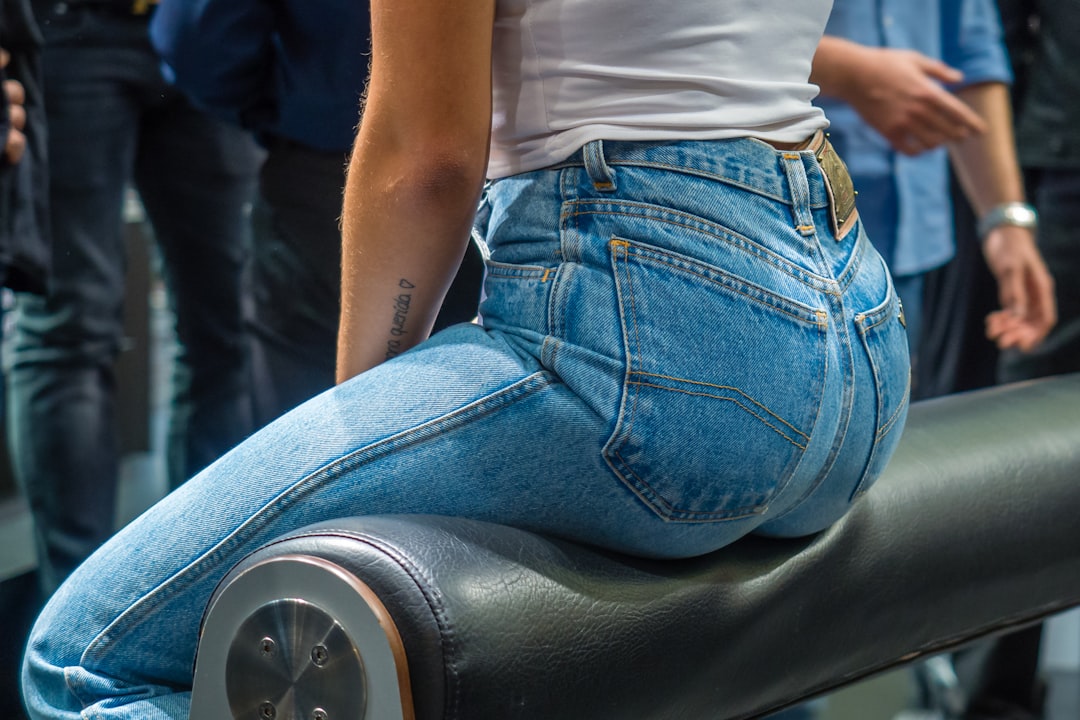
“Tummy control” is marketing eighty percent of the time. Judy Blue’s version actually does something — but not always the thing you expect.
I’ve owned three pairs of Judy Blue tummy control jeans for about three months now, across two different cuts in the tummy-control line, and I’ve worn them through enough different bodies and moods and outfits to have a real answer to the question I get most often in DMs. This article is part of the bigger Affordable Fashion Brands coverage and sits specifically alongside the full Judy Blue Jeans. If you’ve already read the main review, you know I think the tummy-control line is the single best piece in the Judy Blue catalog. Here’s the detailed version of why.
What “tummy control” actually means in a Judy Blue pair
Most tummy-control denim is a lie. What you’re buying is usually a slightly higher rise and a marketing sticker on the waistband. The actual compression is negligible. I’ve tried plenty of brands that claim to have shapewear-adjacent denim and delivered something that felt like a normal high-rise with a firmer waistband and nothing else.
Judy Blue’s tummy control line is different because there is a real compression panel built into the front waistband construction. It is not cosmetic. It is an additional layer of stretch fabric sewn into the waistband area that provides mild, wearable compression across the lower abdomen. It does not feel like shapewear. It feels like a structured high rise that happens to have more hold than you’d expect. That’s the honest description.
What it does: smooths the front line, prevents the waistband from rolling, holds through a full day of wear without shifting down, and makes you feel slightly more supported when you sit. What it does not do: magically change your silhouette, shrink your waist by an inch, or act as shapewear for a fitted dress. If you’re expecting the first set of things, you’ll be impressed. If you’re expecting the second, you’ll be disappointed.
The thing that surprised me most, after wearing this line for three months, is how little the compression panel announces itself. My first pair of tummy-control Judy Blues, I could feel the panel for the first ten minutes of wear — a faint awareness of structure across the lower front. That sensation faded completely within a single wear and I have not felt it since. If you are worried that the panel will be tactile or noticeable once you put the pair on, I’d stop worrying. For me, and for every friend I’ve asked about their own pair, the panel becomes invisible almost immediately.
Sizing the Judy Blue tummy control line
Sizing is the part everyone gets wrong on the first try. Here’s the rule I’ve worked out across three pairs: on the high-rise tummy-control line, consider sizing down one from your usual Judy Blue size. The compression panel adds a subtle amount of structure that means the pair feels slightly looser at the waist and snugger at the hip than a non-tummy-control Judy Blue in the same number. I’m five-foot-six and normally a 28 in Judy Blue mid-rise; in the tummy control line I wear a 27 across the board, and it took me two pairs to figure this out.
The second sizing note. Do not size down on the hip measurement. If you are between sizes and your hip is the determining factor for you, take your true size and accept that the waistband will feel slightly looser than ideal. Sizing down to get a tight waist when the hip is already the constraint will just make the pair painful to sit in. I learned this the hard way on my first pair. The full sizing math across all Judy Blue cuts is in the Judy Blue Jeans Sizing, which I’d read alongside this article if you’re still deciding.
The three cuts worth buying (and which to skip)
Judy Blue runs tummy-control construction across several different fits within the high-rise line. Not all of them are equal.
High-rise skinny tummy control. This is the flagship. If you’re buying your first Judy Blue tummy-control pair, make it this one. The silhouette is the most flattering and the compression panel is most effective on a cut that sits close to the body. I own two of these.
High-rise straight-leg tummy control. Surprising winner. I thought this cut would lose the compression benefit because the straight leg doesn’t hug the body, but the panel still does its job at the waistband, and the straight leg is more forgiving through the thigh. I wear this pair more often in winter when I want more room for layering.
High-rise flare tummy control. Skip unless you specifically want a tummy-control flare. The compression panel works fine, but the flare cut undermines the silhouette benefit somewhat — the visual line shifts away from the waist and toward the hem, which is not where the panel is doing its work. If you want a flare, buy a regular Judy Blue flare and save the tummy-control money for the skinny.
Wash and compression fatigue: does the panel loosen?
This is the question every tummy-control buyer eventually asks and the one that’s hardest to answer honestly. I’ve had my oldest tummy-control pair for three months and gone through roughly six washes. The compression panel feels the same on wear thirty as on wear one. That’s the honest answer for three months of wear.
Can I promise that after eighteen months of wear it will still feel the same? No, I cannot, because I have not owned any pair that long. What I can tell you is that the construction of the panel is a double-layer stretch fabric sewn into the waistband, and the failure mode for that kind of construction is gradual rather than sudden. If the panel is going to fatigue, it will fatigue slowly, and by the time it matters you’ll likely be ready to replace the pair anyway.
My care routine: cold wash inside-out, short tumble dry on low to reset the panel’s memory, then hang. The short tumble is important. Hanging alone will not reset the compression panel’s shape the way a brief heat cycle will, and I’ve noticed the panel feels noticeably firmer right out of the dryer than it does after hanging for a day.
The verdict — who Judy Blue tummy control is for
Yes if you want a high-rise jean that holds through a full day, doesn’t roll, and gives you mild but real compression at the front waist. Yes if you have been disappointed by other tummy-control denim lines and want to know whether this one actually delivers. Yes if you’re between sizes and you’ve been wanting a pair that makes the waist feel structured without squeezing the hip. Yes if the regular Judy Blue high-rise fit has worked for you and you want the same cut with more support.
No if you’re expecting shapewear-level compression, because that is not what this is. No if you hate waistband structure in general and prefer a pair that moves with you without any tension in the front. No if you’re shopping for a flare specifically — in that cut the tummy-control construction is wasted money, and a regular Judy Blue flare is the better buy. Check current listings at Judy Blue Tummy Control Jeans on Amazon or save a search on Judy Blue Tummy Control on Poshmark for lightly-worn pairs at a discount. My own rotation is three pairs of the high-rise tummy-control skinny, and I’d buy them all again.
Shop the look on Amazon
Everything you need to build a secondhand-style wardrobe, delivered. We may earn a commission on purchases.
FAQ
Do Judy Blue tummy control jeans really work?
Yes, within the limits of what “tummy control” can realistically mean in denim. The compression panel is real and provides mild hold at the front waist. It is not shapewear. If your expectation is a structured high-rise that doesn’t roll and holds its shape through a full day, you will be happy. If your expectation is a silhouette transformation, you will not.
What size should I order?
Consider sizing down one from your usual Judy Blue size on the tummy-control line, but only if your hip measurement is not the constraint. If you’re between sizes and the hip is tight, take your true size. The compression panel adds a bit of structure that makes the pair feel slightly looser at the waist, which is why sizing down tends to work for most buyers.
How does the control panel hold up?
After three months and six washes, mine show no compression fatigue. The construction is a double-layer stretch fabric sewn into the waistband, which fatigues gradually rather than suddenly. I recommend a brief tumble dry on low after each wash to reset the panel’s shape — hang-dry alone leaves the panel feeling softer than it should.
Are they comfortable to sit in?
Yes, more so than most high-rise denim I’ve owned. The compression panel distributes pressure across the front waist rather than concentrating it on the waistband edge, which means the pair doesn’t dig when you sit. The only caveat is that if you sized down too aggressively for the waist, the hip will make sitting painful. Take your true size on the hip first, always.


