
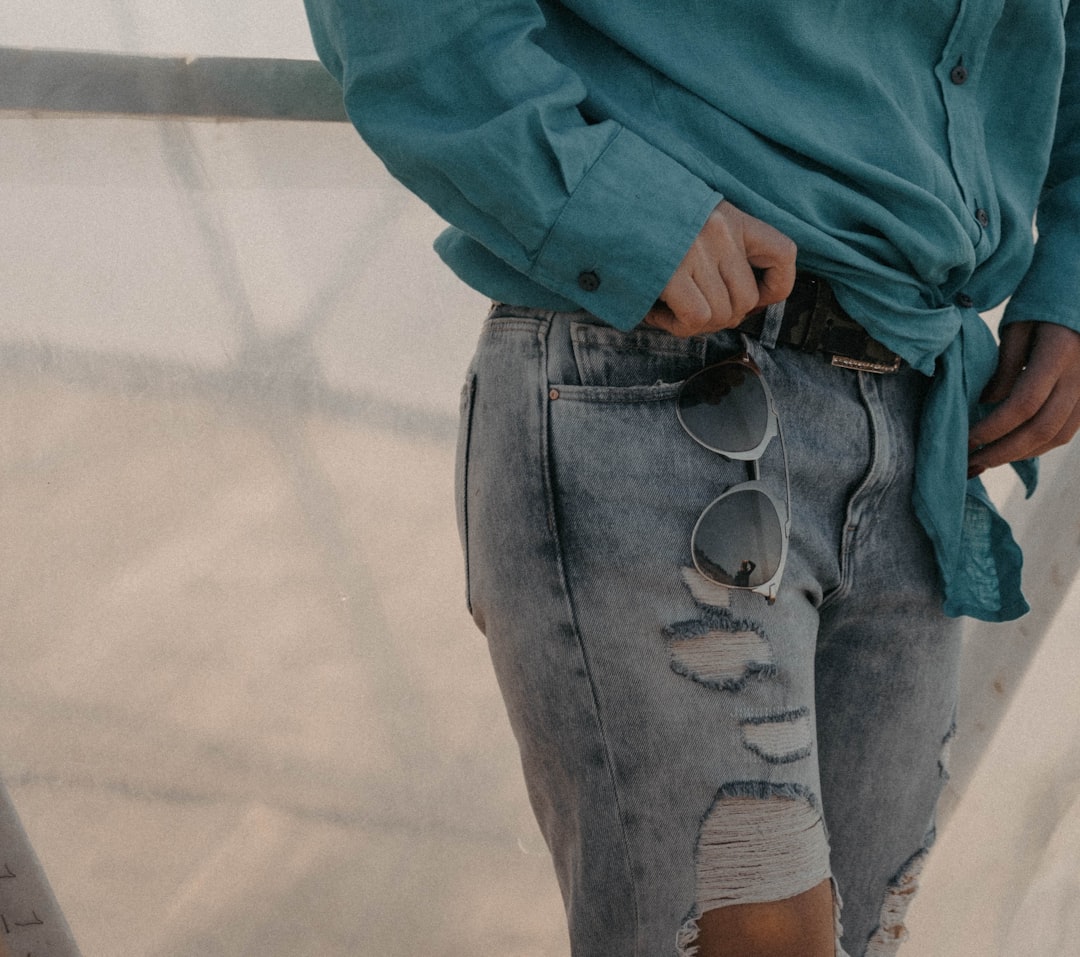
Ripped jean shorts are the most polarizing cut in denim. Either you love them or you think they peaked in 2014. I’ve worn them through both waves and I have opinions about which rips age well and which look dated immediately.
The hard part of buying ripped jean shorts isn’t the rips themselves — it’s predicting how the distressing will wear over time. I’ve had pairs where a strategic thigh rip turned into a blown-out hole by week three, and pairs where the rips held their shape through fifty wears. After testing a range of brands and price points this summer, I’ve got clear picks. For the wider category landscape, start at our Brand Guides hub. For the parent article covering every cut and wash, Jean Shorts is the place to go.
The types of ripping (they’re not all the same)
Not all distressing is equal. There are four main categories. Whiskering: the pale horizontal lines at the hip and crotch that mimic natural wear. It’s the most subtle kind of distressing and ages gracefully. Abrasion: roughed-up patches where the fabric has been sanded but not torn through. Slightly more visible, still subtle. Slashes: small horizontal cuts, usually at the thigh, where you can see skin through the rip but the fabric holds. Destruction: full tears, shredded pockets, removed panels.
The rule of thumb: the more aggressive the distressing, the faster it dates and the quicker it falls apart. Whiskered and lightly abraded shorts have the longest life. Full destruction shorts usually look trashed after a season. If you want ripped jean shorts that last, aim for whiskering plus one or two small slashes. If you want a specific moment-in-time look and don’t mind replacing, full destruction is fine.
Brands that do distressing well
Levi’s is the boring-but-reliable pick. Their 501 shorts in the “Ode to Blue” or “Luxor Amidst” washes feature factory distressing that looks like real wear, not manufactured rips. The thigh slashes are positioned where denim actually wears out, not randomly. They hold up because the underlying denim is heavy enough that the unripped areas can handle the tension from the rips.
Madewell’s distressed denim shorts are the upgrade. The fading and whiskering on their Perfect Vintage line mimics ten-year-old denim convincingly. They use a subtler hand — less aggressive rips, more texture. My pair of their distressed mid-length shorts has survived two summers and fifteen-plus washes with the rips stable.
Agolde (at a higher price point) does the most convincing “real vintage” distressing I’ve tested. The Parker short in their distressed washes looks like it was actually worn for five years. If you can justify the $150+ price tag, they’re the pair to beat. Ripped Jean Shorts Women on Amazon is a broader search; expect mixed results.
Avoid Amazon generic brands and fast-fashion distressing. The rips are usually laser-cut rather than actually abraded, which means they fray unnaturally and often develop runs up the leg after a few wears.
Where rips hold up and where they don’t
Thigh rips are the most common, and they’re the most reliable structurally if the cut is sized right. A small horizontal rip at mid-thigh, cut into heavy denim, will stay stable for dozens of wears. The fabric around it takes less stress because the thigh doesn’t flex much in a short.
Front crotch and inseam rips are where things get risky. Those areas flex constantly when you sit, walk, or bend. A rip there will grow with every wear and usually ends up as an embarrassing hole within a month. Avoid shorts with factory distressing in the crotch area unless you’re explicitly going for a shredded look.
Back pocket rips look cool and wear out fast. Anything that crosses a seam (where two pieces of denim meet) is a structural weak point. A rip that goes through a side seam or across the waistband will progress quickly. Same for rips at the hem — once the hem integrity breaks, the whole leg tends to unravel.
Fabric weight is the make-or-break
Ripped shorts in lightweight stretchy denim fall apart. Ripped shorts in heavy rigid denim survive. The math is simple: the rips concentrate stress on the surrounding fabric, and the surrounding fabric needs to be strong enough to handle it.
Look for 12-ounce or heavier denim if you want ripped shorts that last. Most premium brands list the fabric weight in the product description. Fast-fashion brands rarely do, which is its own signal. If you can’t find the weight, feel the fabric — it should have noticeable body, not drape like a t-shirt. A rigid 100% cotton base will hold rips indefinitely; a cotton-poly stretch blend starts falling apart at the rip edges after ten wears.
This is where price correlates directly with quality. Levi’s and Madewell use heavier denim than Old Navy and H&M, which is most of why their distressed pairs outlast the cheap ones. Compare this honestly with Jean Shorts where heavier vintage-style denim is the norm, and the distressed pairs in that family tend to last longer than trendier cuts.
Sizing ripped shorts: size up or size normal?
Normal size, always. Some people assume ripped shorts should be sized up for a slouchier vibe — don’t. The rips are already a visual distraction, and an oversized cut combined with heavy distressing reads messy rather than intentional.
If anything, ripped shorts benefit from a slightly snugger fit because the clean cut of the leg contrasts with the rough texture of the distressing. A tight ripped short reads edgy; a baggy ripped short reads disheveled. Pick your vibe deliberately, but don’t default to oversized.
I take a 29 in my regular Levi’s and a 29 in their distressed 501 shorts — identical sizing. Same at Madewell. Abercrombie’s distressed styles run about half a size small; I’ve taken a 30 in their ripped cuts.
Styling without looking dated
Ripped shorts have a reputation problem — they’re associated with a very specific 2012-2015 look that’s easy to accidentally recreate. To avoid it: pair ripped shorts with something clean and unfussy on top. A plain white tank. A structured button-down. A simple fitted tee.
What reads dated: ripped shorts with a bohemian fringed top, ripped shorts with gladiator sandals, ripped shorts with a flower crown (if that was ever on the table). What reads current: ripped shorts with a rib tank and sneakers, ripped shorts with a loose linen button-down, ripped shorts with a clean white tee and loafers.
The rule: one statement at a time. If the shorts are doing a lot with the distressing, let the top stay quiet. If the top is structured or interesting, the shorts can carry the texture load.
Care and wash: don’t speed up the aging
Wash cold, inside out, on a gentle cycle. Turning ripped shorts inside out protects the rip edges from catching on the drum. Use a mesh laundry bag if your rips are aggressive; it keeps loose threads from tangling with other items.
Hang dry always. Tumble drying ripped shorts is the fastest way to accelerate their destruction. The heat and tumbling both work on the rip edges until they grow into holes you didn’t ask for. I’ve ruined a pair of ripped Madewell shorts in a single dryer cycle — do not repeat my mistake.
If a rip starts to run or grow beyond the original cut, you can stabilize it with a small patch of fusible interfacing ironed to the back. This keeps the hole from progressing while still looking natural from the front.
The verdict
Ripped jean shorts are worth buying if you pick a pair with heavy denim, restrained distressing, and structural rips placed where they won’t blow out. Levi’s 501 distressed is the baseline pair — solid denim, factory rips that age reasonably well, priced fairly. Madewell is the upgrade for softer denim and subtler distressing. Agolde is the splurge if you want rips that actually look vintage. Skip fast-fashion ripped shorts — the cheap distressing doesn’t survive, and you’ll end up with a pair of shorts full of growing holes in places you don’t want them. My best-wearing ripped pair this year has been a Levi’s 501 with factory whiskering and two small thigh slashes. They’ve held up through a full summer of wear and still look intentional. That’s the goal.
Shop the look on Amazon
Everything you need to build a secondhand-style wardrobe, delivered. We may earn a commission on purchases.
FAQ
Are ripped jean shorts still in style?
Subtle distressing is always in style. Aggressive full-destruction rips come in and out of trend. Light rips with whiskering translate across seasons. If you want a ripped pair that stays relevant, go subtle.
Do ripped jean shorts get more ripped over time?
Yes, especially in stretchy or lightweight denim. Rips grow with wear, particularly in high-flex areas like the crotch or inseam. Heavier rigid denim slows the progression significantly.
Can you fix ripped jean shorts when the rip gets too big?
You can stabilize a growing rip with fusible interfacing ironed to the back of the fabric. This keeps the hole from expanding without changing how the front looks. A tailor can also reinforce the edges invisibly.
What brand has the best ripped jean shorts?
Levi’s for reliability and price. Madewell for softer denim. Agolde for premium vintage-feel distressing. Avoid fast-fashion ripped shorts — the distressing usually doesn’t survive washing.
How do you wash ripped jean shorts?
Cold water, inside out, gentle cycle, hang dry. Use a mesh laundry bag if the rips are heavy. Never tumble dry — heat and motion grow rips into holes faster than anything else.


