
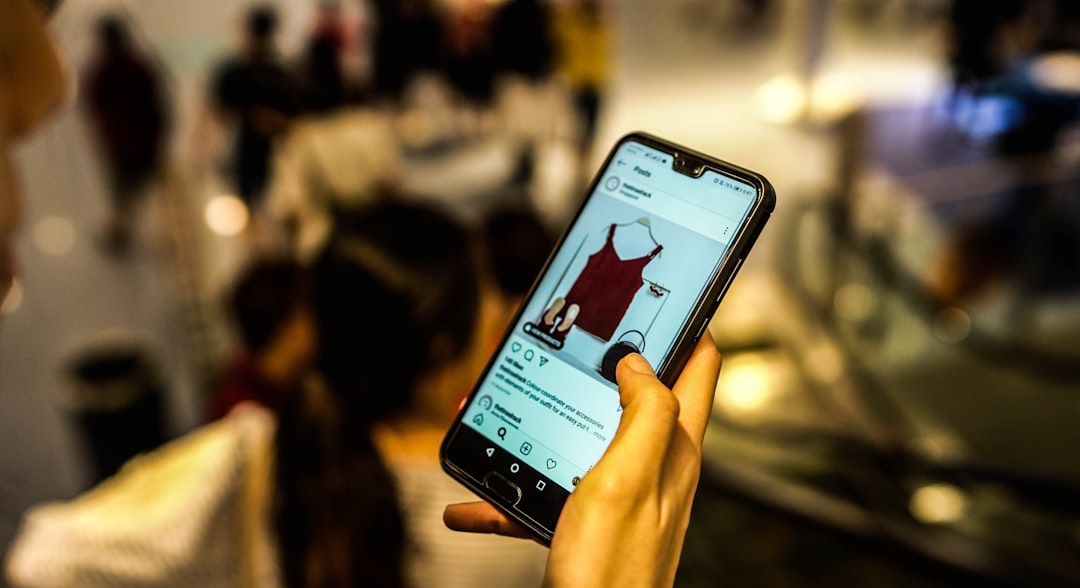
I’ve downloaded 14 cheap clothing apps in the past year. Five are still on my phone. The rest were either trash or glorified spam generators.
The App Store is saturated with cheap clothing apps promising incredible deals, but the gap between “cheap” and “worth buying” is often wider than the price suggests. Some apps sell genuinely good clothes at low prices. Others sell pictures of clothes that bear little resemblance to what arrives. And several exist primarily to harvest your data while showing you an endless scroll of $4 dresses you’ll never wear. I’ve tested the major cheap clothes apps by actually ordering from them, tracking delivery times, and evaluating what showed up versus what was advertised. Here are the ones worth your phone storage — and the ones to avoid. For more budget fashion sources beyond apps, our Thrift Resale hub covers the full landscape.
The Best Cheap Clothing Apps Worth Keeping
ThredUp. The best cheap clothing app on the market, and it’s not close. ThredUp is an online thrift store with an app that actually works — filters for size, brand, condition, price, and color are responsive and accurate. The inventory is enormous (typically 2-3 million items listed at any time), and the condition descriptions are honest. I’ve bought a Vince silk cami for $19, Everlane jeans for $22, and a Madewell denim jacket for $28 — all in excellent condition. Their app-only flash sales and clearance events regularly drop prices another 30-40% on already-low prices. Shipping is 5-10 days, which is the main trade-off. Clothing Steamer Handheld on Amazon
Poshmark. The peer-to-peer resale app that rewards active users. The “Make an Offer” feature is the core advantage — most sellers accept 20-30% below list price, and bundle discounts (buying multiple items from one seller) cut shipping costs. I’ve negotiated a Reformation dress from $60 to $38 and a pair of Madewell boots from $55 to $40. The flat $7.97 shipping per order is predictable. The risk is quality inconsistency since you’re buying from individual sellers. I always check seller ratings (4.5+ stars minimum) and ask for specific condition photos before buying anything over $25.
Mercari. Less fashion-focused than Poshmark but often cheaper because sellers on Mercari are less savvy about resale pricing. I’ve found brand-name items here from people who just want to clear closet space — a J.Crew blazer for $12, Nike sneakers for $20. The app interface is clean and the search works well. Shipping costs vary by item (seller-set), which makes it less predictable than Poshmark’s flat rate. Protection for buyers is solid — you have 3 days to inspect and can open a return case if the item doesn’t match the listing.
Target Circle (Target app). Not a “cheap clothing app” in the traditional sense, but the Target app’s Circle rewards, deal-of-the-day offers, and 5% RedCard discount stack meaningfully on already-affordable private-label clothing. I’ve bought A New Day blazers for under $30 and Universal Thread jeans for under $20 by combining Circle offers with seasonal markdowns. The drive-up feature — order on the app, pick up in 2 hours — also removes the shipping wait entirely.
Depop. The best app for vintage finds and trend-forward secondhand pieces. Depop skews younger and more curated than Poshmark — the visual, Instagram-like layout means sellers put more effort into photography. Prices are higher than Mercari but the vintage and Y2K selection is unmatched. I’ve found legitimate 1990s pieces here that I wouldn’t find anywhere else. The cheapest clothing app on this list it is not, but for vintage and unique pieces at sub-retail prices, it’s worth keeping.
Cheap Clothing Apps to Avoid
Shein. The cheapest clothing app by sticker price, but the worst value by any other metric. I ordered 10 items totaling $67 — three were wearable, two had incorrect sizing, and one smelled of chemicals after multiple washes. The app is designed to trigger compulsive purchasing: countdown timers, fake “limited stock” warnings, and gamified loyalty points that encourage buying more to earn discounts on future junk. Delivery takes 10-21 days from China. The environmental impact of this volume of disposable clothing is staggering. If quality were graded, Shein would earn a D-.
Temu. Similar model to Shein with even lower prices and even worse quality. I ordered 5 items as a test — the fabric on all five was thinner than expected, sizing was inconsistent, and one item (a structured bag) arrived with broken hardware. The app is aggressive with notifications and uses manipulative UX patterns (spinning wheels, fake flash sales). The deals look incredible because you’re paying for the photo, not the product.
Wish. The original “too cheap to be real” app, and the quality confirms it. I haven’t ordered from Wish in over two years because my last three orders included items that looked nothing like the listing photos. Delivery took 3-4 weeks. The app has added some quality controls since its early days, but the fundamental problem — most sellers are middlemen for the cheapest possible manufacturers — hasn’t changed.
Fashion Nova. The app experience is polished, but the clothing quality is thin polyester at mid-range prices ($25-50). The app pushes flash sales constantly, creating artificial urgency. I bought their “Classic High Waist Skinny” jeans ($25) and the dye faded visibly after four washes. The silhouettes photograph well on models but the fabric doesn’t hold up to real-world wear. Returns cost $5.99 in shipping, which is telling — they know returns are frequent.
How to Use Cheap Clothing Apps Without Wasting Money
Turn off notifications. Every clothing app is designed to trigger impulse purchases through push notifications — “flash sale ending soon,” “price drop on your wishlist” — and the aggregate effect is spending more than you intended. I keep notifications off for every shopping app and browse intentionally, on my schedule.
Set a monthly app shopping budget before opening any app. I allocate $50-75/month across all clothing apps combined. Without a preset number, the “it’s only $15” mentality adds up to $200 before you notice.
For resale apps (ThredUp, Poshmark, Mercari), search by brand rather than browsing. “Everlane medium” is a productive search. Scrolling the feed is a time sink designed to increase screen time, not help you find what you need.
For any app-only purchase: check the return policy before buying. ThredUp charges $1.99 for returns (deducted from credit). Poshmark sales are final once accepted. Mercari gives you 3 days. Shein offers free returns on the first return per order. Knowing this before you buy prevents surprises. For more on online secondhand shopping strategies, see Best Online Thrift Stores.
The Cheapest Clothing App by Category
For the lowest per-item prices on new clothing: Shein and Temu win on sticker price ($3-15 per item) but lose on quality and cost-per-wear. I cannot recommend either based on my testing.
For the best value on used clothing: ThredUp’s clearance section ($3-8 per item for brand-name pieces) offers the best combination of low price and acceptable quality. Mercari’s unpriced gems — sellers who don’t know what their items are worth — are the cheapest source for individual lucky finds.
For the best overall: Poshmark with active negotiation delivers brand-name clothing at 60-80% below retail. A $30 Poshmark purchase of a quality brand outperforms a $30 spread across three Shein items every time. The cheapest clothing app is the one where your purchases actually get worn.
The Verdict
The cheap clothing apps worth downloading in 2026 are ThredUp (best overall value and selection), Poshmark (best for negotiating on brand-name pieces), Mercari (cheapest for lucky finds), and the Target app (best for stacking discounts on new affordable clothing). Avoid Shein, Temu, and Wish — the low prices are a trap that costs more per actual wearing than buying fewer, better items from any of the recommended apps. Keep notifications off, set a monthly budget, and search intentionally rather than scrolling. The app that saves you the most money might be the one you delete, not the one you download.
Shop the look on Amazon
Everything you need to build a secondhand-style wardrobe, delivered. We may earn a commission on purchases.
Browse picks on Amazon →FAQ
What is the cheapest clothing app that has good quality?
ThredUp’s clearance section offers brand-name clothing at $3-8 per item with verified condition descriptions. For new clothing, the Target app with Circle rewards and RedCard stacking gets quality private-label pieces under $20. Among pure resale apps, Mercari tends to have lower prices than Poshmark because sellers are less fashion-market-savvy.
Is Shein safe to order from?
The app itself is not a scam — you will receive products. But the quality is consistently poor, the sizing is unreliable, and the fabric content often doesn’t match listings. Payment processing is secure. Data privacy is a legitimate concern — Shein collects extensive user data. The bigger issue is whether the products are worth buying, and in my experience, they mostly aren’t.
Which app is best for selling used clothes?
Poshmark for mid-range and premium brands (highest resale values, active buyer community). Mercari for quick sales at lower prices (simpler listing process). ThredUp for convenience (send them a bag, they photograph and list everything). Depop for vintage and trend-forward pieces (younger buyer demographic willing to pay more for curated finds). See How to Sell Clothing Online for the complete breakdown.
Do clothing app deals expire?
Flash sales on apps like Shein and Fashion Nova use countdown timers that are largely artificial — the same “sale” often restarts immediately. ThredUp’s clearance items are genuinely limited inventory that sells out. Poshmark prices are set by individual sellers and don’t expire, but items sell to whoever buys first. Target Circle offers have real expiration dates, usually 2-4 weeks. Ignore artificial urgency; buy when you actually need something.
For the fast-fashion DTC brand context — Princess Polly, ASOS, Boohoo, Nasty Gal, and Oh Polly — see our Fast-Fashion DTC hub.


