
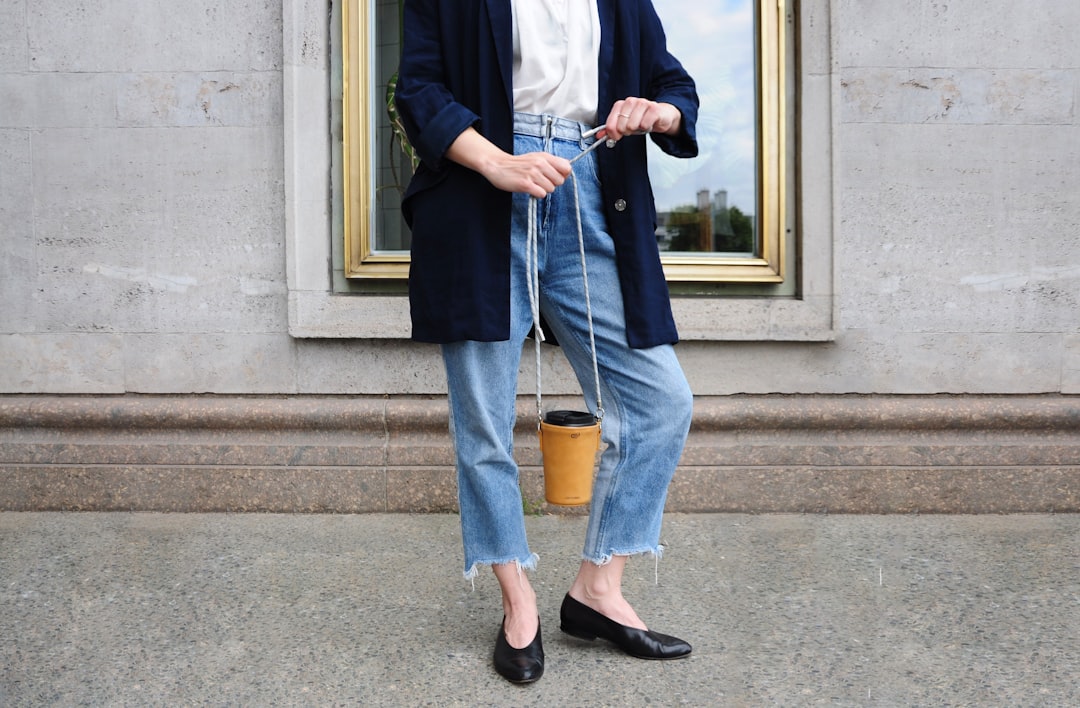
Blue Vintage Jeans: The Indigo Shades That Actually Matter
“Blue vintage jeans” sounds like a color description. It’s actually a taxonomy. A 1970s dark indigo and a 1990s medium wash are two different garments even though both are technically blue.
The blue in blue vintage jeans shifts across decades. Heavy indigo from the 70s fades differently than medium washes from the 80s, which fade differently than the lighter stonewashed blues from the 90s. None of these are interchangeable in how they photograph, what they pair with, and how they read on different complexions. This piece walks through the actual shades of blue vintage denim you’ll encounter and what each one does. The Brand Guides pillar covers broader vintage denim sourcing; Vintage Jeans covers the broader category.
The four main blues in vintage denim
Deep indigo (1950s–1970s): this is the saturated, almost purple-blue that raw denim starts with before washing. Vintage pairs in this shade feel formal compared to faded denim and work well with structured outerwear. The 1970s Levi’s 501 shrink-to-fit pairs I own started life in this shade and faded over time.
Medium indigo (1970s–1980s): the classic “jean blue” that most people picture. Slightly faded from the original saturation but still clearly blue. This is the most versatile wash and the one that flatters the broadest range of complexions.
Light indigo / soft wash (1980s–1990s): the pale, airy blue that came from commercial stone-washing. Much softer hand feel, faster fade patterns, and a less formal look. Best for casual contexts; reads “California” more than “heritage.”
Faded black/charcoal (1980s–1990s): technically blue in origin but weathered into a charcoal or grey-blue. These pairs have a different tone entirely and fall into the Black Vintage Jeans category depending on how you count them.
Deep indigo: when to reach for it
Dark, saturated indigo is the most formal vintage blue. It works with structured pieces — a wool blazer, a leather jacket, a heavy knit. It photographs crisp and reads intentional. I pair my darkest vintage pair (a 1976 501 in near-original indigo) with white tees and brown leather boots, and the combination hasn’t aged out in four years of wearing it.
The catch: deep indigo bleeds. Expect staining on light-colored shoes, couches, and anything else the jean brushes against for the first 10–20 wears. Wash separately in cold water for the first five washes minimum.
Finding deep indigo vintage means looking for pairs that were stored unworn or lightly worn. Every wear and wash takes the color lighter. Dark Indigo Vintage Levis on Poshmark — search and filter by “excellent condition” to find pairs with color still intact.
Medium indigo: the workhorse
Medium indigo is the easiest vintage blue to wear. It flatters most complexions, pairs with the widest range of other colors, and doesn’t bleed significantly. My 1986 501 is in this range — a rich medium blue with even fading at the thighs and seat. It works with white, black, grey, navy, and earth tones.
The medium indigo zone is also where most vintage 501s from the 80s and early 90s live. If you’re buying your first blue vintage pair, aim for this shade. The price premium over lighter washes is minimal and the styling versatility is higher.
For styling: medium indigo works particularly well with cream and off-white, which pulls out the warmth in the fade. It also pairs cleanly with navy, which sounds like a clash but actually reads layered and sophisticated when the tones are chosen carefully.
Light indigo: the summer pair
Light wash vintage blues are lighter in both color and hand feel. The denim is typically softer and the fade patterns are more pronounced (because stone-washing creates abrasion). These pairs read casual and summer-friendly; I wear mine with sandals and a linen shirt in July and they look right. Try them with a wool overcoat in December and they look undercooked.
Lighter washes were peak popular in the mid-80s through mid-90s. Levi’s 501 light wash pairs from that era are plentiful on resale. They also tend to be cheaper than darker equivalents because the darker fades are more collected-for.
One note: light wash vintage can look dated quickly depending on the exact fade pattern. Pairs with high-contrast whiskers at the hip flex read 1990s specifically; pairs with a more even fade read more timeless. If you want a pair that won’t read as a specific decade, lean toward even fading.
Complexion and undertone considerations
I’m not a stylist and I won’t pretend to prescribe. What I’ve observed from my own wardrobe and friends:
Warm undertones (yellow/olive skin) tend to pair well with medium-to-light indigo with warm fade patterns. The tonal similarity works.
Cool undertones (pink/blue skin) tend to pair well with deep indigo or cool medium blues. The contrast works.
Neutral undertones: pretty much any blue works.
This is observation, not rule. The best test is trying on two different shades and photographing yourself. The one that reads more flattering in a natural-light photo is the one.
How to keep the blue you bought
Wash less. Cold water only. Inside out. Hang to dry, never the machine dryer. I wash my vintage blue jeans maybe every 10–15 wears unless something obvious spills. Frequent washing is what fades the denim — the longer you can go between washes without feeling gross, the longer the color stays saturated.
For stubborn spots, spot-clean with a damp cloth and a dab of mild soap rather than running a full wash.
The honest negative about “blue” as a buying criterion
Photos don’t render denim color accurately. Two pairs that look identical in a Poshmark listing can be meaningfully different shades in person because lighting, white balance, and phone cameras all shift blue. If color is critical to your purchase, ask the seller for a photo taken in natural daylight near a window. If the listing only shows artificial light photos, the shade might be a degree off from what you expect.
The verdict
For a first vintage blue denim pair, medium indigo from the 1980s or early 1990s is the safest and most versatile choice. Budget $50–$90 for wearable condition. Deep indigo is worth hunting if you want period-correct darkness and you’re willing to manage bleed. Light wash is the summer-specific pick. Avoid buying color-critical pairs based on photos alone — ask for daylight shots. For related styling, see Black Vintage Jeans and Denim Wide Leg High Rise Vintage Jeans Women. Dark Wash Vintage Levis on Amazon has reissues if vintage sourcing takes too long.
Shop the look on Amazon
Everything you need to build a secondhand-style wardrobe, delivered. We may earn a commission on purchases.
FAQ
What’s the most flattering shade of blue vintage jeans?
Medium indigo is the most versatile. It pairs with the widest range of other colors and flatters the broadest range of complexions.
How do I keep dark vintage jeans from fading?
Wash less frequently, always cold water, inside out, and hang to dry. Avoid the dryer. A dark pair can hold color for years with careful washing.
Are light wash vintage jeans still in style?
Yes, especially for warmer-weather styling. Light wash reads more casual and summer-specific than medium or dark. It’s not dated; it’s seasonal.
Can I dye faded vintage jeans back to dark?
Technically yes, with indigo dye, but the result rarely matches the original saturation and can look uneven. I don’t recommend it for pairs you value.


